


















India Rebukes China and Pakistan at UNSC Over Political Interference in Blacklisting Global TerroristsIndia
20 Aug 2026, 5:57 am (1 hour ago)· 3

India Rebukes China and Pakistan at UNSC Over Political Interference in Blacklisting Global Terrorists

At the United Nations Security Council, India called out China and Pakistan for abusing UNSC processes to protect terrorists, insisting that listing and delisting decisions must rely on solid evidence rather than political interests.

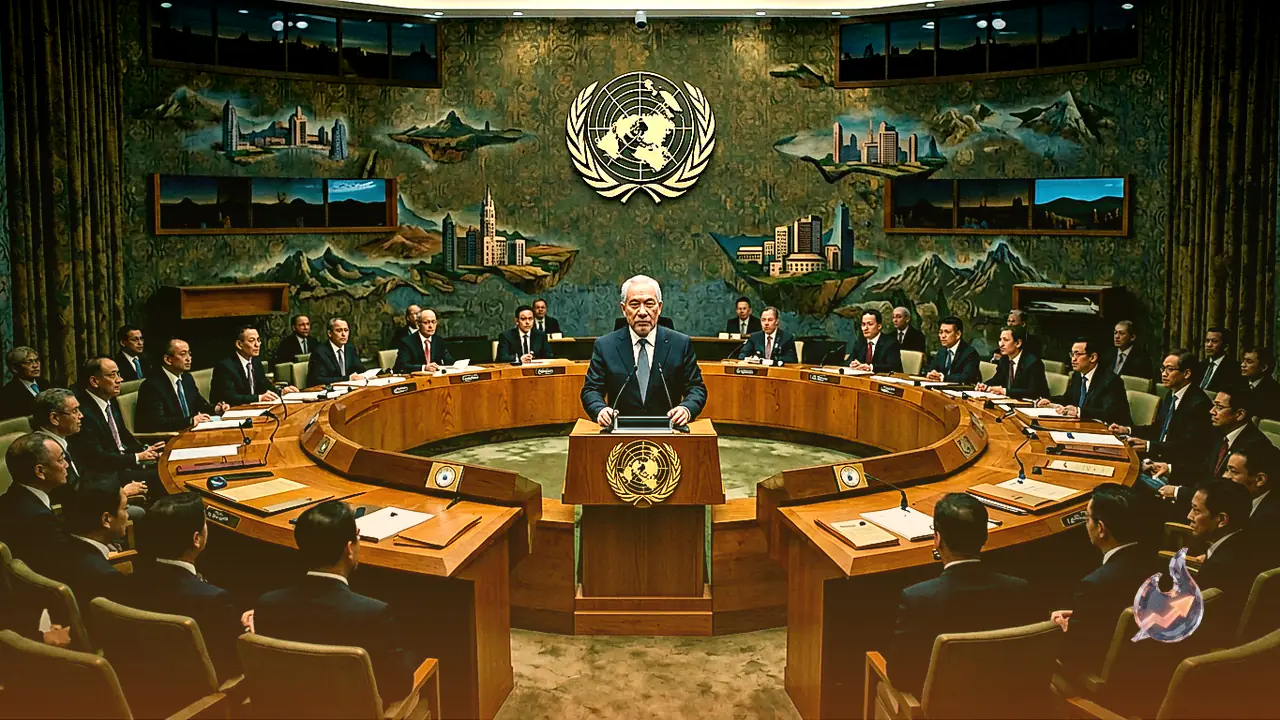
India delivered a stern message at the United Nations Security Council, calling for an immediate end to political maneuvering surrounding the international blacklisting of terror operatives. Addressing the high-level body, India's Charge d'Affaires Yojna Patel asserted that the procedures for adding or removing individuals and groups from global sanctions lists must remain strictly objective. She stressed that Security Council membership should never be exploited to shield terrorists from international accountability or to facilitate their delisting without legitimate cause.

Demand for Objectivity and Transparency in Sanctions

During the Security Council proceedings, Patel emphasized that decisions within counter-terrorism frameworks must be grounded in solid evidentiary material, fairness, and transparency rather than geopolitical considerations. India expressed strong opposition to political interference that undermines the credibility of international counter-terrorism mechanisms. The statement highlighted that member nations, especially those holding influential seats within the council, must fulfill their responsibility to combat global terror threats rather than misusing procedures to protect sanctioned entities.

Also read

Spotlight on China's Repeated Technical Holds

Although the statement refrained from naming specific countries in every sentence, the message directly targeted the actions of China and Pakistan. China has consistently used technical holds and procedural objections to stall resolutions seeking to designate Pakistan-based terrorists under the UNSC 1267 Sanctions Committee. Out of the 15 member countries that comprise the Security Council, China has repeatedly stood alone in obstructing or delaying joint global efforts to hold terror figures accountable.

Shielding Groups Like Lashkar and Jaish

The proposals repeatedly stalled by China involve key terror networks operating from Pakistani soil, specifically Lashkar-e-Taiba and Jaish-e-Mohammed, along with their associated proxy outfits and front organizations. The political structure of the council underscores the dynamic between the two nations, as China holds a permanent seat with veto power, while Pakistan is serving a temporary term as a non-permanent member until the end of this year. India's intervention highlights the necessity of ensuring that international sanctions mechanisms remain insulated from bilateral political shields.


Questions & Answers

What issue did India raise against China and Pakistan at the UNSC?
India criticized China and Pakistan over political interference and obstruction tactics in the listing and delisting of terrorists under the UNSC sanctions framework.
Who delivered the statement on behalf of India at the UNSC?
India's Charge d'Affaires to the United Nations, Yojna Patel, delivered the statement at the Security Council.
What role has China played regarding the UNSC 1267 Sanctions Committee?
China has repeatedly used technical holds to delay or block proposals aimed at sanctioning Pakistan-based terrorists and outfits in the 15-member council.
Which major terror outfits were targeted by the blocked sanction proposals?
The blocked proposals primarily targeted terror networks such as Lashkar-e-Taiba, Jaish-e-Mohammed, and their affiliated proxy or front entities.
What is the current status of China and Pakistan in the UN Security Council?
China is a permanent member of the UNSC with veto power, while Pakistan serves as a non-permanent member until the end of this year.

Comments 2

Karan Malhotra@karan-malhotra·43m ago

India's assertive stance at the United Nations Security Council makes it clear that there is no longer any room for double standards in the global fight against terrorism. The political misuse of technical holds and veto tactics under the 1267 Sanctions Committee is hollowing out the international justice system. Moving forward, this Indian diplomacy could compel other nations to increase pressure on the sponsors of terror, further intensifying the demand for major reforms to bring transparency to the global security framework.

Ravikash Gupta@ravikash·43m ago

It is evident that geopolitical interests are compromising transparency within the global counter-terrorism architecture. If the 1267 Sanctions Committee mechanism continues to face such political roadblocks, security risks across global financial and trade markets will escalate, potentially shaking investor confidence and impacting cross-border investments.

Citizen journalism

Become a TrendKia journalist

Voice of the people

Share news, photos and videos from your area with TrendKia and let your voice reach the nation. Every citizen a journalist.

Join now
CH 01 LIVE
TrendKia TV ON AIR