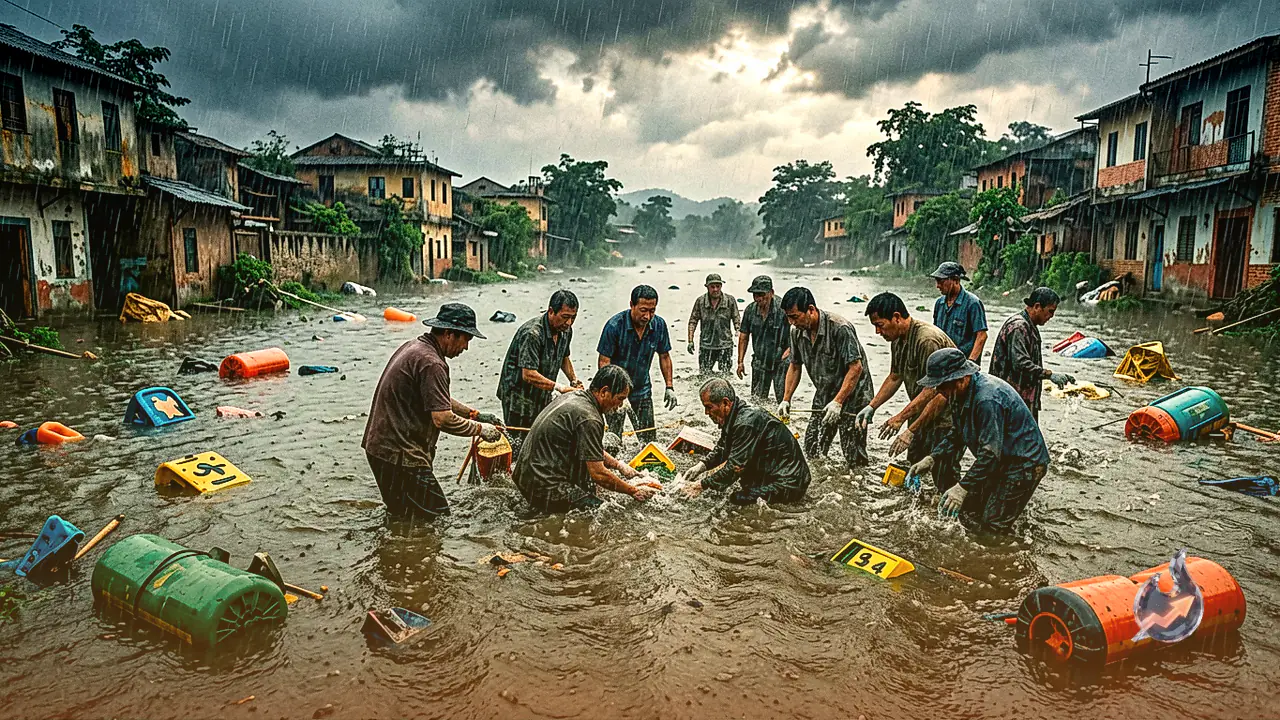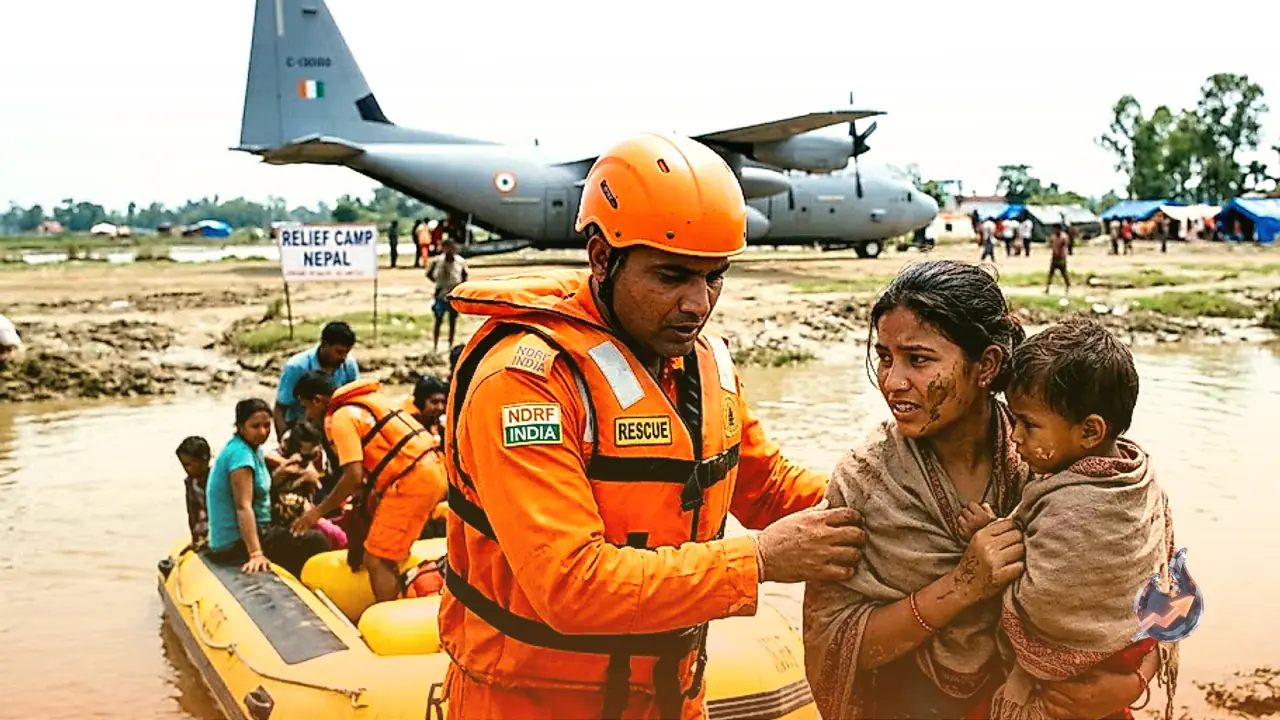



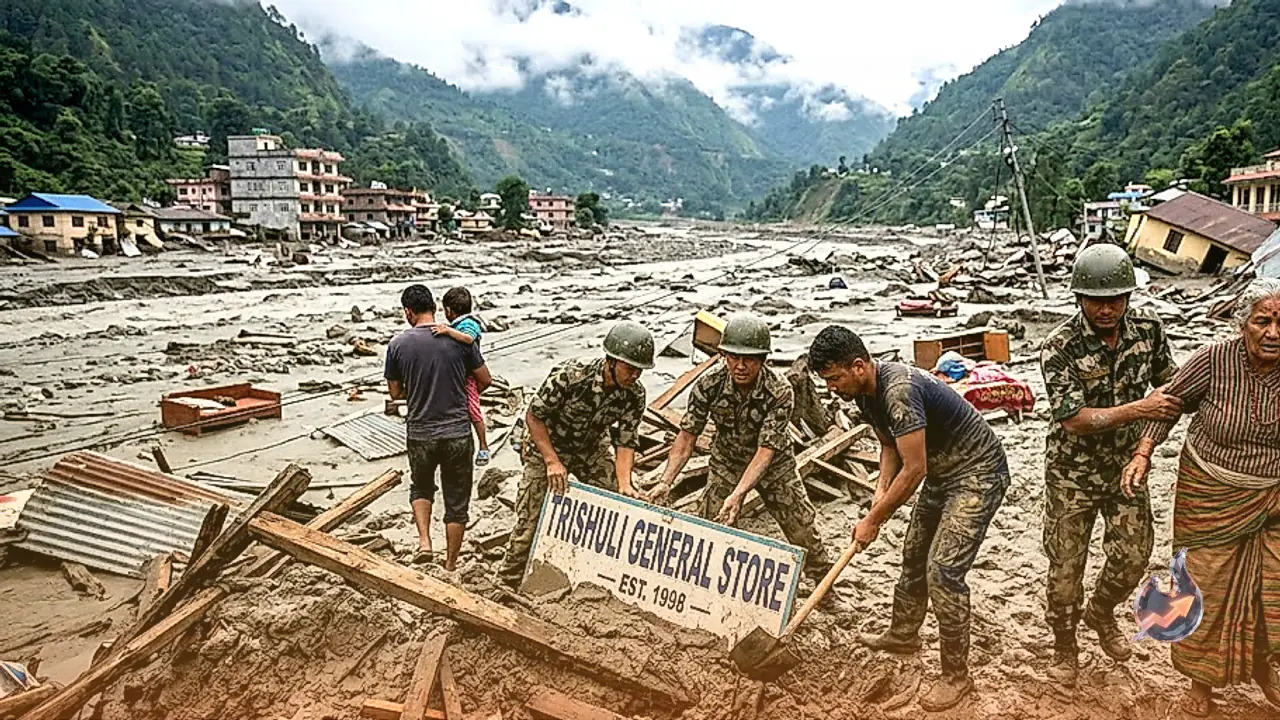



















A catastrophic flash flood that struck Nepal on August 26 has displaced numerous families, obliterated roads, washed away bridges, and cut off connectivity to several regions. The disaster has claimed 675 lives so far. Amid this immense tragedy, a significant number of Indian citizens have found themselves stranded across various parts of Nepal and neighboring China. While some families grapple with anxiety, others await communication from their loved ones. In response to this critical situation, India has dramatically escalated its search and rescue operations. Indian Air Force aircraft are continuously landing in Kathmandu with relief supplies, while specialized units of the Indian Army are deployed on the ground. The government has emphasized that the safe repatriation of stranded nationals and the search for missing individuals remain its utmost priorities.
According to the Ministry of External Affairs, 108 Indian nationals have been safely evacuated from Nepal so far. Furthermore, contact has been re-established with approximately 50 Indians who were previously unreachable. Meanwhile, nearly 900 Indian citizens remain safe in China, and the Indian Embassy is in constant communication with them. Among them, 598 Indians have successfully crossed over to Nepal safely over the past two days. However, more than 275 Indian citizens and 128 people of Indian origin are still reported missing or out of contact. To assist affected individuals and their families, the Indian Embassy has launched a round-the-clock helpline, enabling people to reach out during any emergency.
Embassy Assistance and Identification of Deceased
Following the floods and landslides, authorities face the daunting task of identifying several recovered bodies. The Indian Embassy in Kathmandu is in constant coordination with Nepali officials and the Nepal Police. The government of Nepal is actively releasing photographs and essential details of the deceased. Information and identification photographs are also accessible on the official Nepal Police website. The embassy stated that once an Indian citizen is identified, every possible assistance will be provided to facilitate the return of the mortal remains to their families. Dedicated 24x7 helpline numbers (+977 985 131 6807, +977 970 910 7500, and +977 981 032 6117) have been established for affected families, alongside an official email address at eoikathmandufloodsupport@gmail.com for assistance.
India has deployed its entire logistical machinery to support the relief efforts in Nepal. Prime Minister Narendra Modi spoke with the Prime Minister of Nepal on August 26, expressing deep sorrow over the tragedy and assuring all possible humanitarian assistance. Subsequently, External Affairs Minister S. Jaishankar held discussions with his Nepali counterpart on August 28. India has also offered National Disaster Response Force assistance for search and rescue operations. Indian Air Force transport planes have flown in essential supplies including blankets, sleeping bags, tarpaulins, plastic sheets, hygiene kits, medicines, food items, and portable generators. The primary objective is to establish supply routes to areas where roads and bridges have been completely destroyed.
Fourth C-130J Flight Delivers Critical Supplies
According to External Affairs Minister Jaishankar, India's fourth relief flight departed for Nepal carrying 11 tonnes of aid material. An Indian Air Force C-130J Hercules aircraft transported relief goods along with a technical contingent and specialized equipment designated for tunnel search and rescue operations. This team will operate based on assessments conducted by a previously deployed reconnaissance unit, working alongside local disaster response teams to advance rescue efforts. The latest flight carried essential commodities such as blankets, sleeping bags, tarpaulins, plastic sheets, and hygiene kits.
Forensic Teams Deployed for DNA Analysis
One of the most challenging aspects in the aftermath of the disaster is the identification of victims. To address this, India has decided to dispatch six forensic teams comprising 19 experts to Nepal. These specialists will assist local authorities in analyzing DNA samples and identifying human remains. This intervention aims to provide closure to families who have been waiting anxiously for days to locate their missing relatives. Described as a deeply sensitive component of the relief mission, India is working in close coordination with Nepali authorities to expedite the identification process.
Modular Steel Bridges for Restoring Connectivity
The floods have not only disrupted human lives but have also inflicted severe damage on roadways and bridges, making the restoration of connectivity an urgent priority for the ongoing relief operations. India has initiated infrastructure assistance to bridge these gaps. Sixteen trucks loaded with components for a 230-foot single-lane modular steel bridge have arrived in Nepal. Additionally, preparations are underway to deploy seven more Bailey bridges to restore vital transit routes.