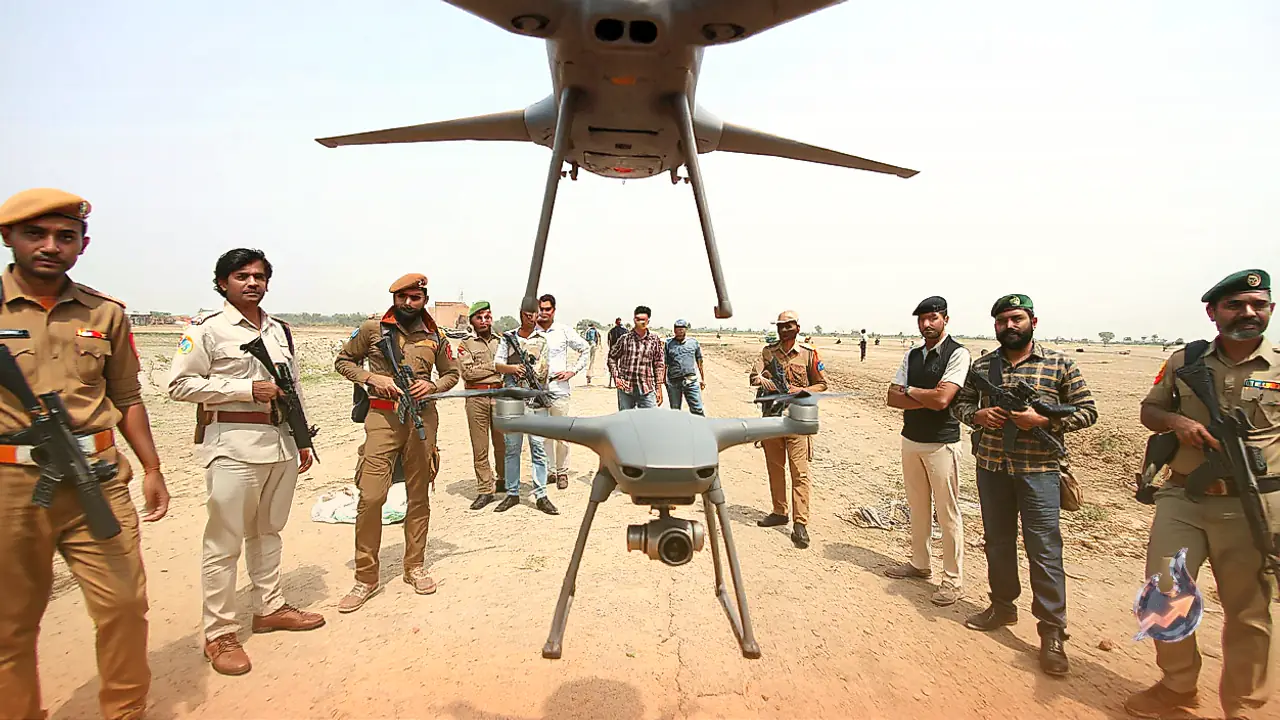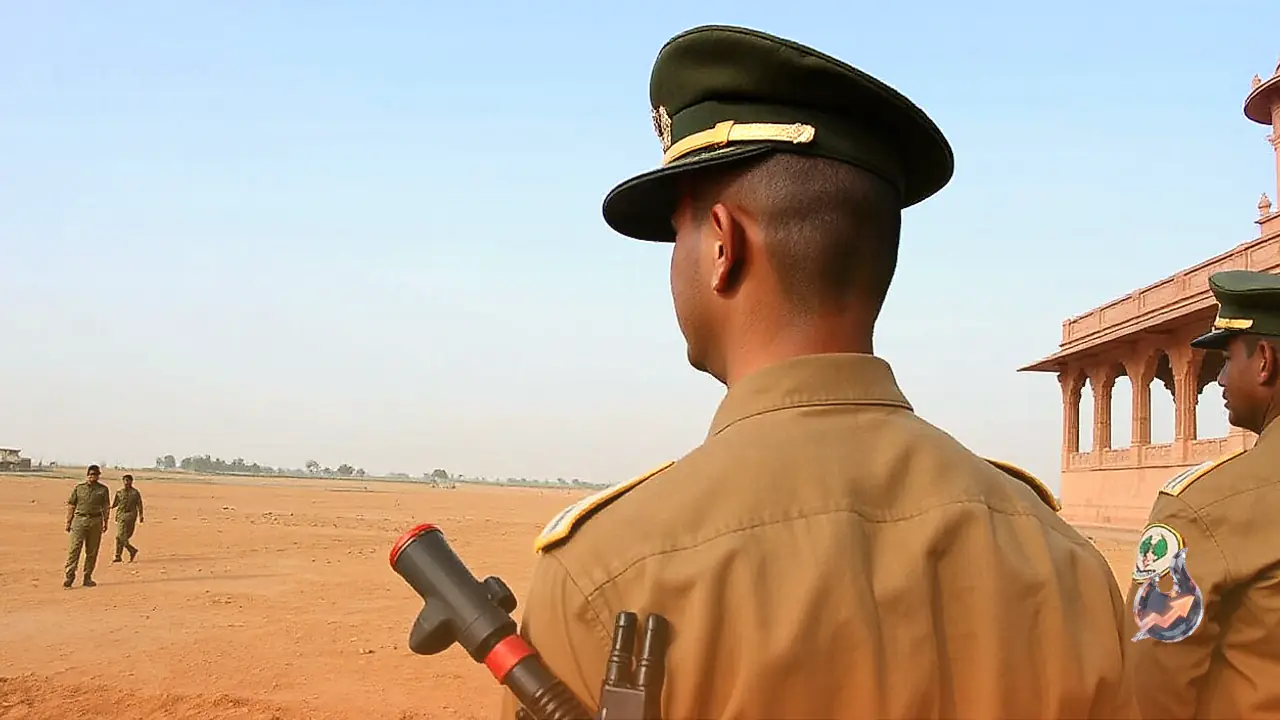

Senior military officers serving across various regiments of the Indian Army will once again be identifiable through specific badges and insignia displayed on their uniforms. The military establishment is preparing to roll back a policy implemented three years ago, thereby restoring the regimental identity of officers holding the rank of brigadier and above. According to developments surrounding this decision, these senior commanders will soon be permitted to don traditional regimental or core-specific badges along with their authorized uniform.
Reversing the 2023 Policy Shift
This latest move completely overturns the policy that was brought into effect back in 2023. At that time, dress codes were revised with the objective of fostering uniformity and a common identity among the senior leadership of the armed forces. Under that previous framework, the attire of all officers holding the rank of brigadier and higher was standardized, effectively removing visible insignia linked to their parent regiments and distinct services. However, the introduction of the new framework will bring a notable change to this setup.
Standardization Implemented in May 2023
The step toward military standardization was initially announced in May 2023 and came into force nationwide on August 1 of that same year. This revision encompassed all personnel holding the rank of brigadier and above, including major generals, lieutenant generals, and the chief of the army staff himself. Following the implementation of these modified rules, several parts of the uniforms worn by senior officers were made identical, making it difficult to distinguish their specific regimental affiliations at first glance.
Removal of Traditional Badges and Lanyards
During the tenure of that three-year-old system, senior officers were instructed to discontinue wearing their regimental lanyards. These adjustments replaced various traditional distinctions with standardized accessories across the entire force. Under the guidelines, senior personnel wore uniform dark green berets or black peak caps. Furthermore, the belt buckles specific to regiments or corps were replaced by the official emblem of the Indian Army, and even rank badges were rendered uniform in appearance.
The Rationale Behind Uniformity
The primary reasoning behind establishing that unified system was that officers reaching the brigadier level and higher have typically completed their command tenures at the unit and battalion levels. Consequently, they mostly serve in formations, headquarters, and various establishments where personnel belonging to different arms and services work together. The distinct arms, regiments, and services of the military possess their own rich traditions, which are traditionally reflected through headgear, specific badges, lanyards, belt buckles, and other uniform accessories.
Understanding Traditional Uniform Differences
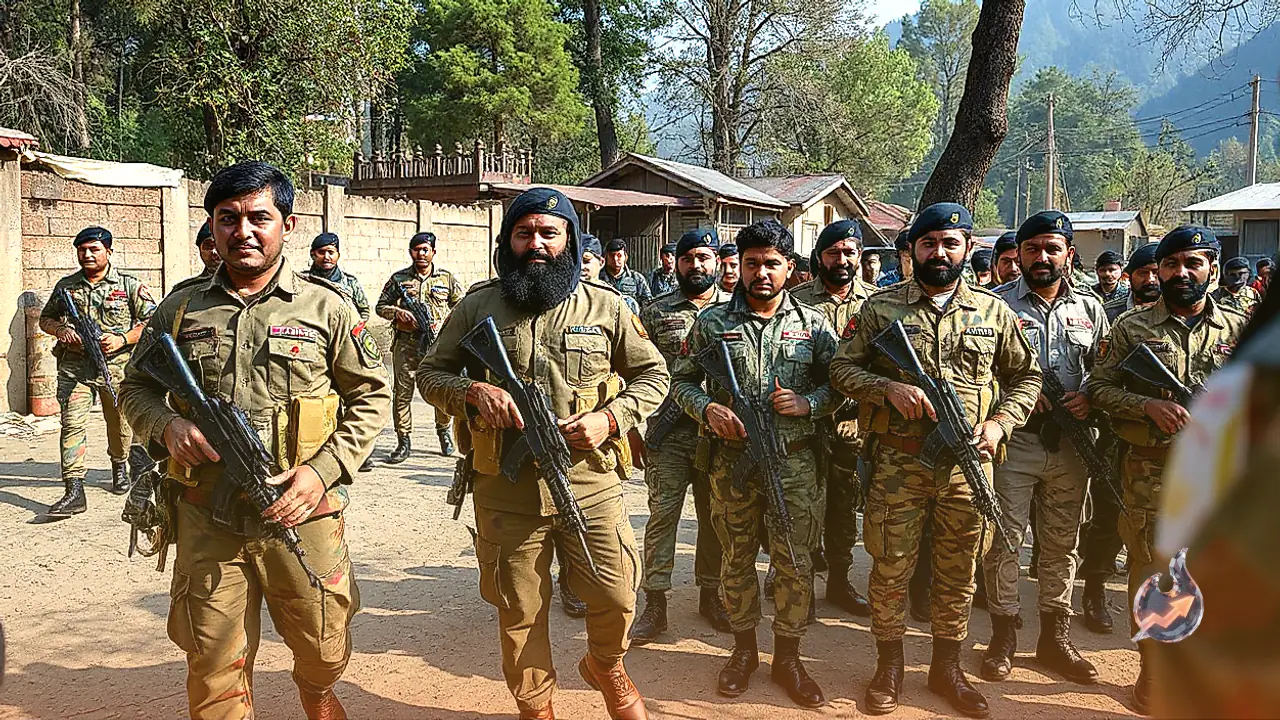
These distinct variations in military attire serve to highlight the service backgrounds of the officers. For instance, infantry formations feature distinct shades of green, whereas engineers and signals maintain unique headgear traditions. Additionally, the parachute regiment is traditionally associated with its distinctive maroon beret. These differences are not merely decorative, as they reflect the heritage and traditions of the specific formations where the officer has served. The policy enacted in 2023 did not strip these distinctions from the entire officer cadre, as colonels and officers of lower ranks continued wearing their respective regimental and corps badges, keeping the standardization restricted strictly to brigadiers and senior ranks.
New Non-Combat Dress Rules from December
The recent decision by the Indian Army represents a complete departure from that previous policy framework. A source confirmed that, for the time being, this upcoming change will permit officers holding the brigadier rank starting from December to display their regimental or core identity once again while wearing non-combat uniforms. Meanwhile, combat attire will continue to follow separate and distinct guidelines. However, the precise list of badges and uniform items that fall under the scope of this new concession has not yet been publicly detailed.