






















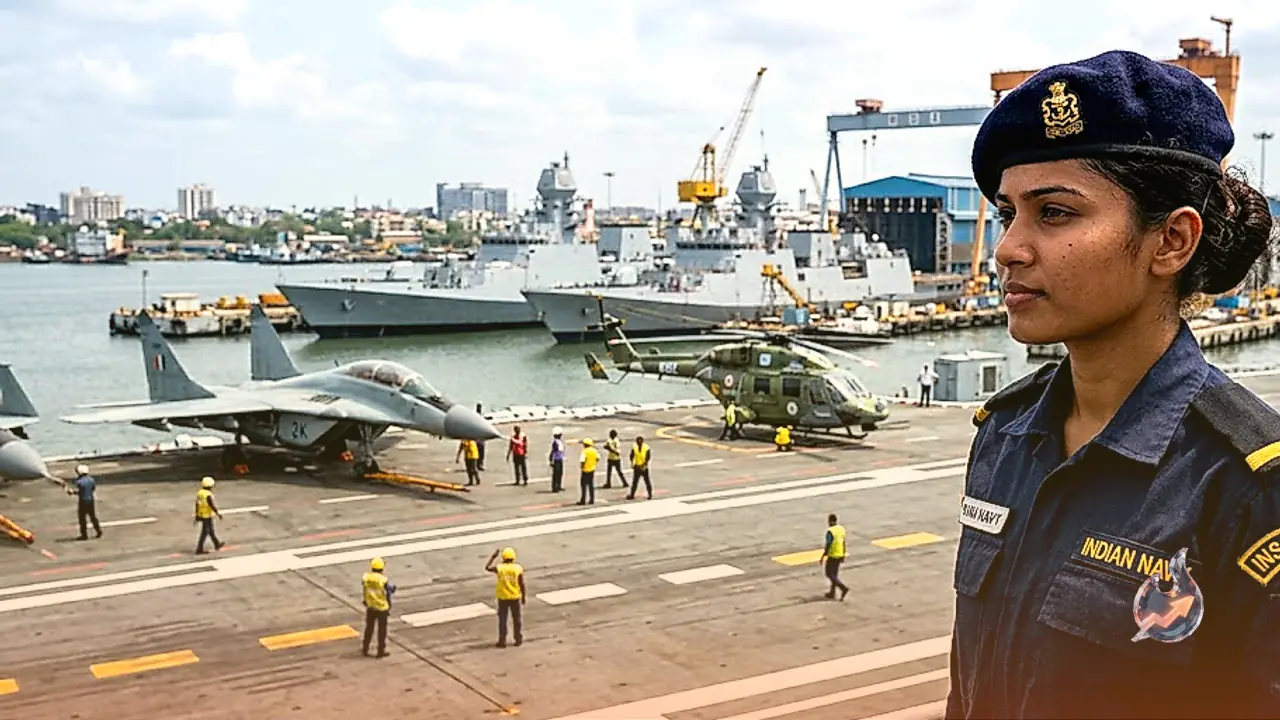

Faced with intensifying geopolitical friction across international shipping corridors, the Indian Navy is executing an aggressive long-term buildup to safeguard national maritime sovereignty. Emerging power rivalries over undersea resources and commercial transit points have strained the traditional principle of open seas. To maintain operational dominance in this evolving theater, naval planners are anchoring procurement and fleet expansion around technological requirements mapped across a 20 to 30 year horizon.
Geopolitics Reshaping Ocean Corridors
International waters, long regarded as a shared global space for legitimate trade and peaceful navigation, have turned into arenas of fierce strategic confrontation. Major global actors are actively contesting maritime routes and underwater resources, threatening the norms that kept global waterways accessible. Geographic choke points and narrow sea lanes are increasingly being leveraged as tools of strategic coercion against competing economies. The heightened volatility across West Asia highlights how disruption along critical maritime arteries poses an immediate risk to the worldwide financial and trade architecture.
Technological Induction and Industry Collaboration
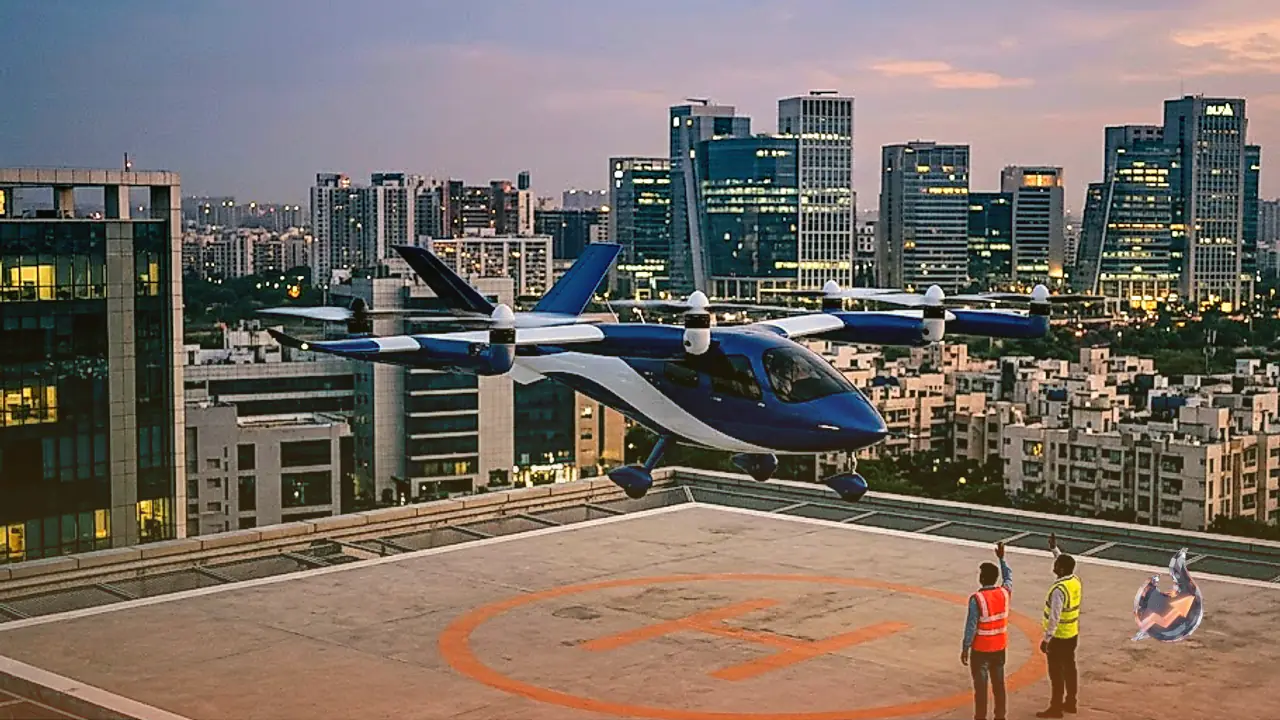
To keep pace with the shifting dynamics of naval combat, the armed forces are rapidly infusing advanced modern capabilities into operational units. Flagship initiatives such as the NIIO framework are driving domestic defense innovation by bridging research with frontline requirements. Outlining this modernization push, Admiral Krishna Swaminathan emphasized that the force is working directly with industrial collaborators to induct emerging systems at speed. This continuous technological integration supports prolonged self-reliance and equips maritime patrols to counteract hostile posturing.
Building a 230-Ship Force by 2045
Under its strategic long-range blueprint, the Indian Navy is working toward deploying a self-reliant and formidable armada comprising 230 vessels by the year 2045. Domestic shipbuilders have already delivered over 100 combat vessels, establishing substantial native capability in marine manufacturing. The current construction momentum has reached an operational tempo where an indigenous warship or submarine enters active naval service approximately every 40 days.
Complex Engineering and Decadal Planning
Fabricating naval assets represents an extraordinarily intricate undertaking that demands specialized engineering, comprehensive layout planning, and sophisticated sensor integration. Addressing the complexities of warship construction, naval leadership noted that such platforms cannot be designed easily or built overnight. Consequently, defense planners are looking two to three decades ahead to anticipate warfare advancements, ensuring that the nation preserves an uncontested defensive posture across oceanic domains.