



















Inside Amethi Bhupati Bhavan Where Royal Resistance Crushed British Siege During 1857 RevoltIndia
20 Sept 2026, 2:56 pm (38 min ago)· 0

Inside Amethi Bhupati Bhavan Where Royal Resistance Crushed British Siege During 1857 Revolt

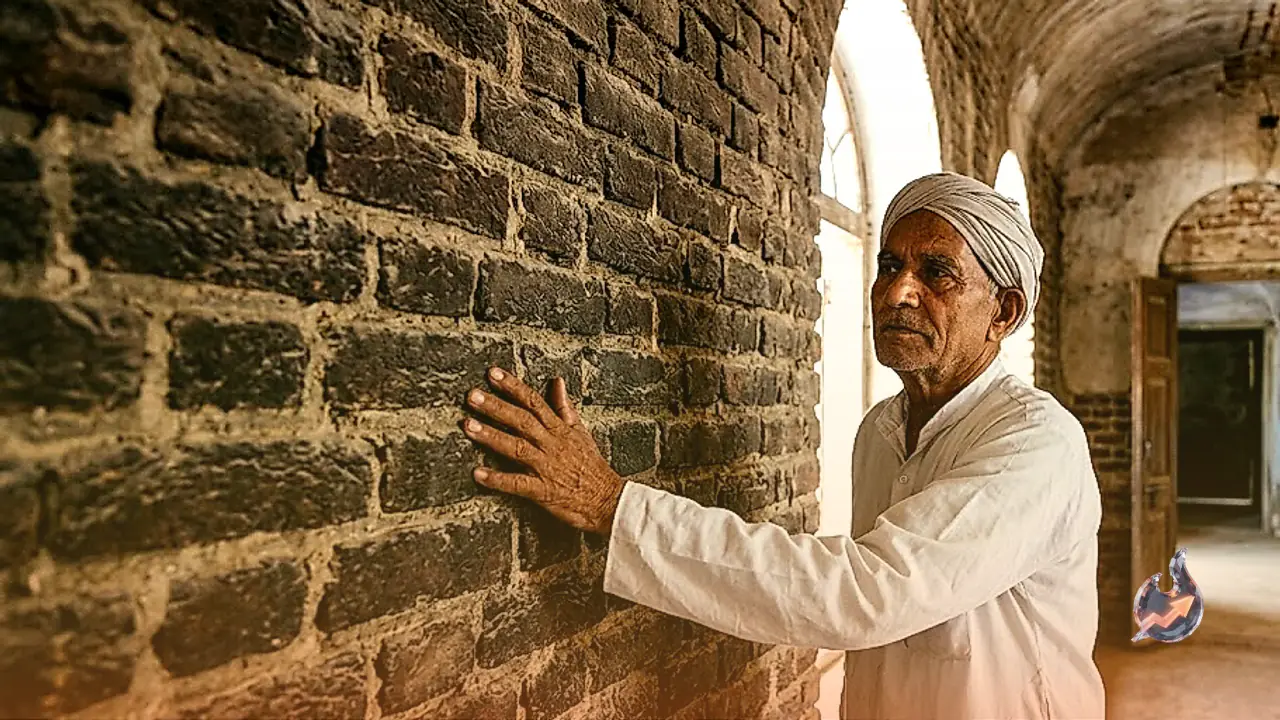
Built with durable Lakhori bricks in Ramnagar, Amethi historic Bhupati Bhavan stands as an enduring architectural icon tied to centuries of dynastic rule and the 1857 rebellion.

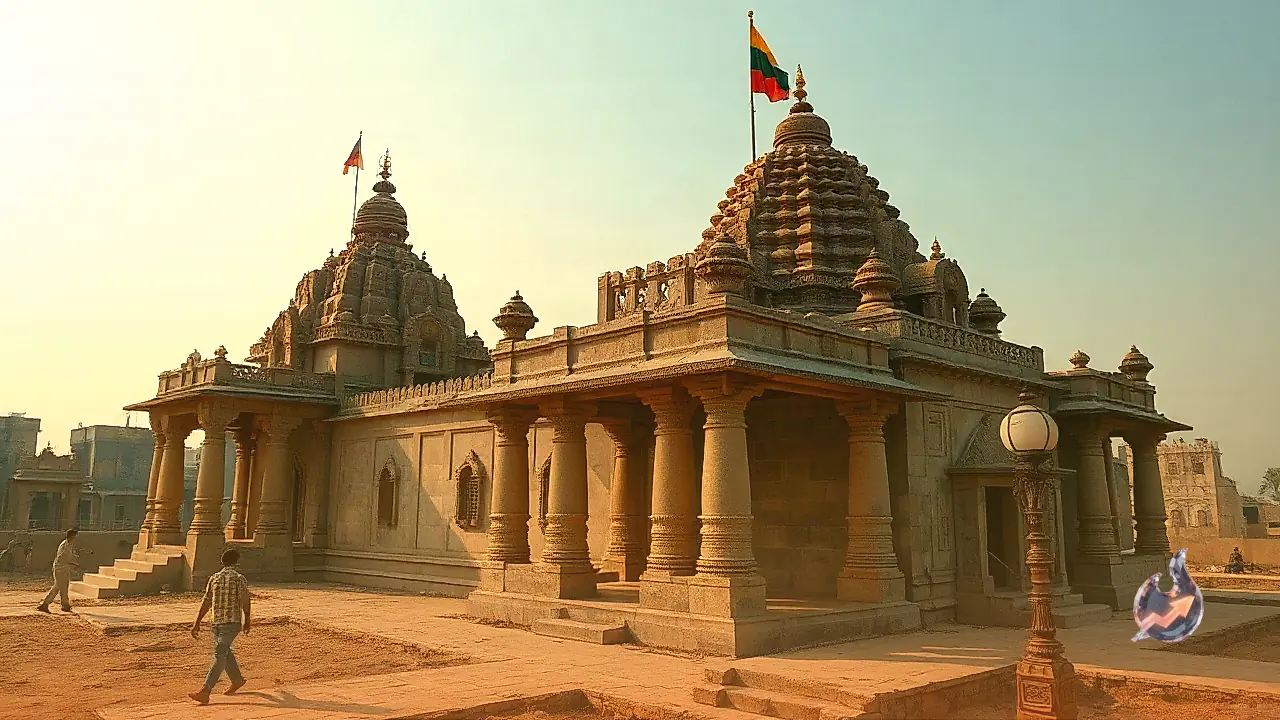
Across the district of Amethi, several age old monuments preserve the region profound historical legacy, none more prominent than the royal palace situated in Ramnagar. Constructed centuries ago, this magnificent residence continues to shine as an exceptional cultural treasure that once commanded significant political influence. Known locally as Bhupati Bhavan, the sprawling structure represents a rare confluence of traditional Indian military fortification and classical architectural grandeur, remaining a celebrated landmark that draws attention across generations.

Architectural Splendor Crafted with Lakhori Bricks

The primary highlight of Bhupati Bhavan lies in its distinctive craftsmanship and structural resilience. The entire complex was assembled using specialized Lakhori bricks, known in historic northern Indian architecture for their thin profile, immense durability, and insulating properties. Master craftsmen integrated detailed carvings alongside thick heritage walls capable of enduring centuries of natural wear. Remarkably, even in modern times, the monument retains its pristine appearance without extensive interior remodeling or frequent major maintenance, maintaining an authentic historical luster that continues to impress observers.

Also read

The Fierce Confrontation During the 1857 Uprising

Beyond its aesthetic merit, the palace holds a memorable place in the resistance against colonial expansion. During the Indian Rebellion of 1857, British forces under the command of an imperial brigadier attempted to seize control of this strategic stronghold, surrounding the entire perimeter in an aggressive siege. Rather than capitulating to imperial pressure, the ruler of Amethi organized a determined counteroffensive. The local forces engaged the British troops directly, successfully routing the colonial detachment and freeing the palace from the encroaching forces, turning the fort into an enduring symbol of defiance for colonial authorities.

Dynastic Lineage Dating Back to 966 AD

The roots of the Amethi principality extend far back into history, having been founded in 966 AD by Maharaj Sondh Dev. Centuries after this foundational era, Raja Guru Dutt Singh established this palace in 1893 AD, immediately turning the site into an epicenter of public interest and regional governance. Over subsequent decades, leadership of the estate passed through distinguished rulers including Raja Vishweshwar Singh, Raja Lal Madhav Singh, Raja Rananjay Singh, and Raja Bhagwan Baksh Singh. At present, Dr. Sanjay Singh heads the estate as the prominent successor of this royal lineage, safeguarding the enduring legacy of the Ramnagar palace.


Questions & Answers

What is the popular name of the historic royal palace in Amethi?
The historic royal palace in Amethi is widely recognized as Bhupati Bhavan.
What building materials were used in the construction of Bhupati Bhavan?
The palace was constructed using traditional Lakhori bricks paired with intricate architectural carvings.
What significant event occurred at the palace during the 1857 rebellion?
British forces under an imperial brigadier laid siege to the palace, but the King of Amethi defeated them in battle and liberated the stronghold.
When and by whom was the Amethi royal dynasty founded?
The Amethi royal dynasty and estate were established in 966 AD by Maharaj Sondh Dev.
In which year did Raja Guru Dutt Singh establish this palace?
Raja Guru Dutt Singh established this palace in the year 1893 AD.
Who currently serves as the chief successor to this royal family and estate?
Dr. Sanjay Singh currently serves as the prominent successor heading the royal family and palace estate.

Comments 2

Karan Malhotra@karan-malhotra·9m ago

Historic sites that once served as epicenters of armed resistance, such as Bhupati Bhavan, carry significant administrative and legal ramifications today. Across Uttar Pradesh, prominent ancestral fortresses and princely estates frequently face vulnerability regarding inheritance disputes, unauthorized encroachments, and heritage security risks. From a legal and public order perspective, safeguarding such monumental properties requires transparent title documentation, dedicated administrative oversight, and active security measures to avert contentious litigation and maintain peace.

Ravikash Gupta@ravikash·8m ago

Building on Karan's assessment, from an asset management and economic standpoint, heritage landmarks like Bhupati Bhavan hold significant untapped potential to stimulate regional commerce. Until title clarity and legal safeguards are institutionalized, attracting private or strategic investment into such properties remains a major challenge. Structured conservation through public-private partnership models can transform these sites into hubs for heritage hospitality and tourism, driving local employment and generating state revenues. Linking historical preservation with commercial viability offers the most sustainable pathway for maintaining such storied architecture over the long term.

Citizen journalism

Become a TrendKia journalist

Voice of the people

Share news, photos and videos from your area with TrendKia and let your voice reach the nation. Every citizen a journalist.

Join now
CH 01 LIVE
TrendKia TV ON AIR
Chamar no WhatsApp