
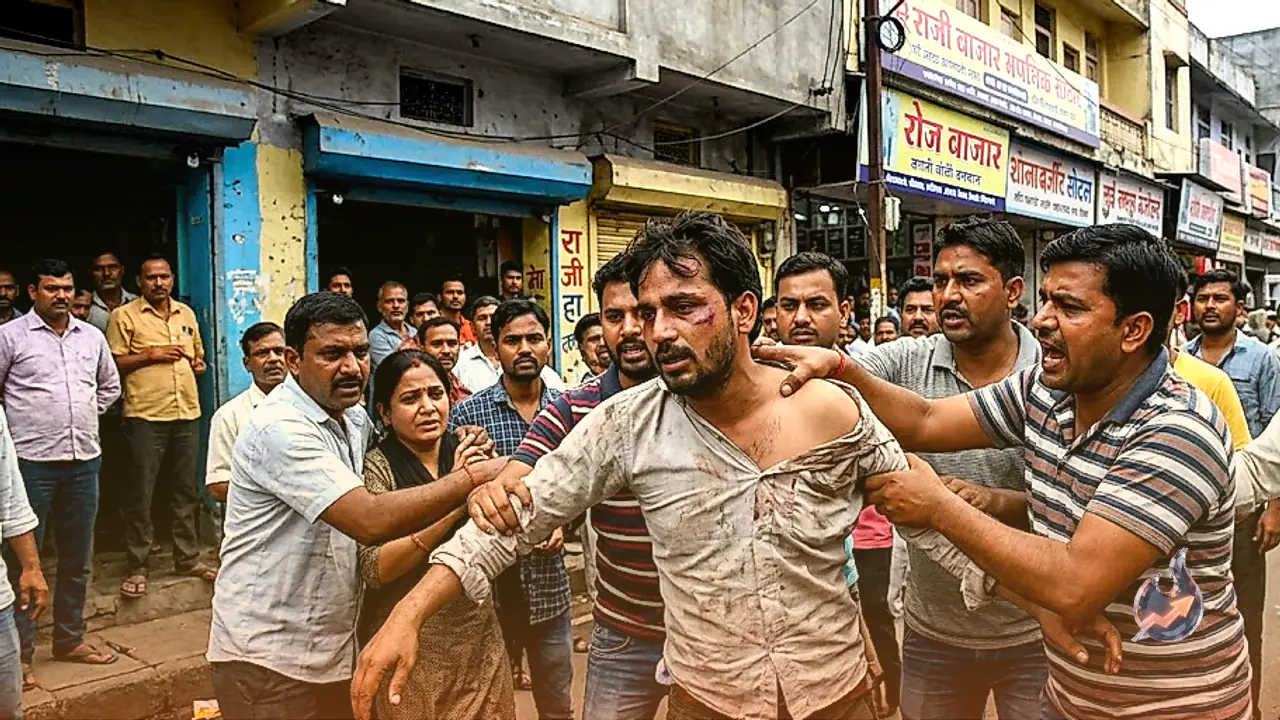





















Meat and poultry consumers across Bengaluru are set to encounter severe supply shortages on September 3 and September 4. The disruption is driven by a simultaneous convergence of two major events: a city-wide two-day strike called by poultry and meat traders protesting new civic waste collection tariffs, alongside an official government restriction prohibiting animal slaughter and meat sales for Sri Krishna Janmashtami on September 4. Together, these developments will disrupt the daily availability of chicken, fish, and mutton across numerous retail markets, impacting individual households and commercial food establishments reliant on daily fresh supplies.
Simultaneous Strike and Civic Mandate Paralyze Supply Chains
Poultry and meat trade associations have announced a complete shutdown of operations to register their opposition to newly implemented waste disposal levies. Industry representatives indicate that thousands of chicken, mutton, and fish retail shops across Bengaluru will remain closed during the protest window. This planned closure is expected to dismantle the city's regular supply channels starting September 3, with the scarcity peaking on the following day.
Revised Waste Collection Tariff Sparks Retailer Backlash
At the core of the traders' grievance is a newly structured waste handling framework introduced by Bengaluru Solid Waste Management Limited (BSWML). Under this mandatory protocol, all commercial meat, poultry, and fish processing units and shops must channel their organic waste exclusively through designated civic collection agencies.
The updated tariff schedule establishes a fee of Rs 5 per kilogram for general animal waste and Rs 3 per kilogram for bone waste. Traders contend that these recurring operational costs represent an unreasonable financial burden on daily trading activities.
Margin Pressure on Small Outlets and Potential Consumer Inflation
Small-scale poultry and butcher shop owners have expressed strong apprehension that the daily waste fees will severely erode their already slim operating profit margins. Trade groups are demanding an immediate review and downward revision of the fee structure by civic authorities.
Should vendors eventually absorb these costs into retail pricing, consumers could witness a noticeable hike in retail prices for chicken, mutton, and fish. However, any sustained price adjustments will hinges on the outcome of upcoming negotiations between trade representatives and municipal officials.
Civic Authority Rationale: Urban Hygiene and Drain Infrastructure
Municipal authorities maintain that the regulated system is essential to standardise the disposal of animal waste across Bengaluru. The city generates a substantial volume of organic animal waste daily, which historically posed significant environmental and public sanitation challenges when disposed of improperly.
Uncollected or casually dumped animal remains cause severe foul odours, obstruct municipal drainage systems, and create breeding grounds for disease vectors. The regulated framework aims to ensure all animal waste is systematically gathered, transported, and processed through certified environmental procedures. Nevertheless, merchants argue that public sanitation infrastructure costs should not be financed primarily by small vendors.
Official Janmashtami Ban Enforces Total Closure on September 4
The market disruption will reach its peak intensity on September 4 due to official statutory holiday mandates. The Greater Bengaluru Authority (GBA) has issued a regulatory directive prohibiting the slaughter of animals and the retail sale of meat products across its jurisdiction in observance of Sri Krishna Janmashtami.
Because this municipal directive carries strict legal compliance requirements, even businesses not participating in the commercial strike must remain closed on September 4. Consequently, the overlap of the commercial trade strike and the statutory holiday ban will make September 4 the most severe day of meat unavailability across Bengaluru.