

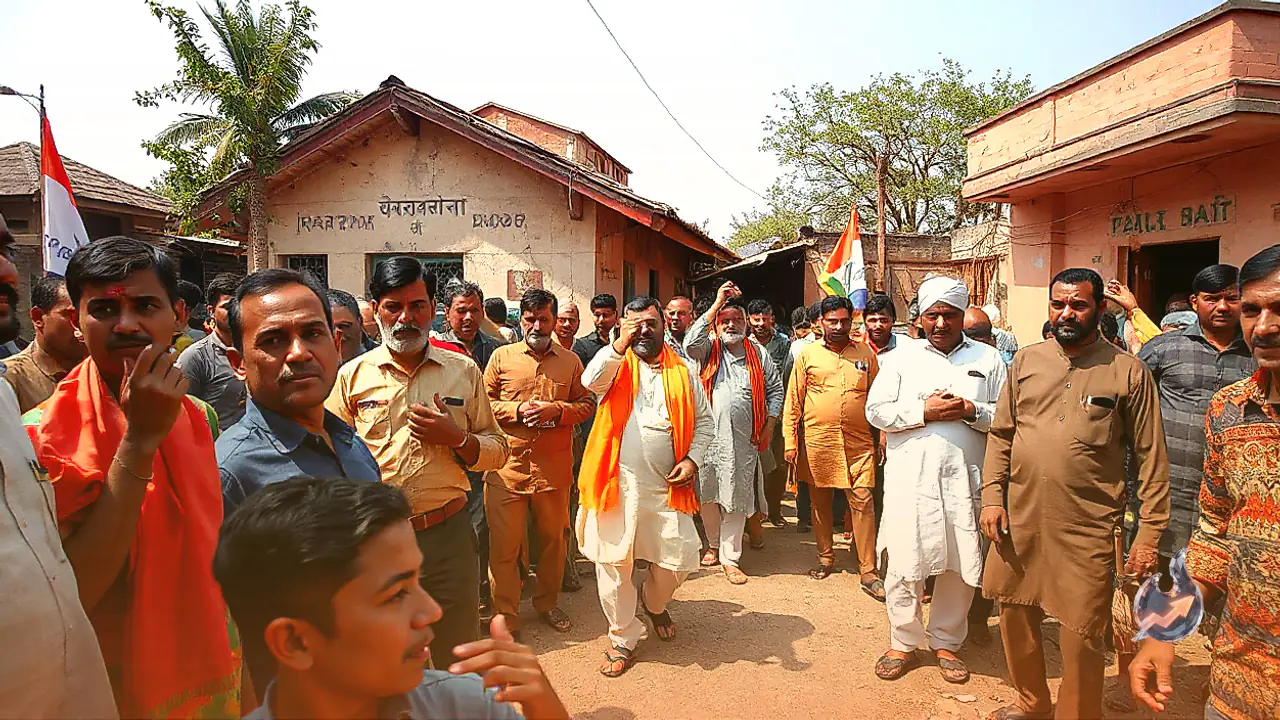














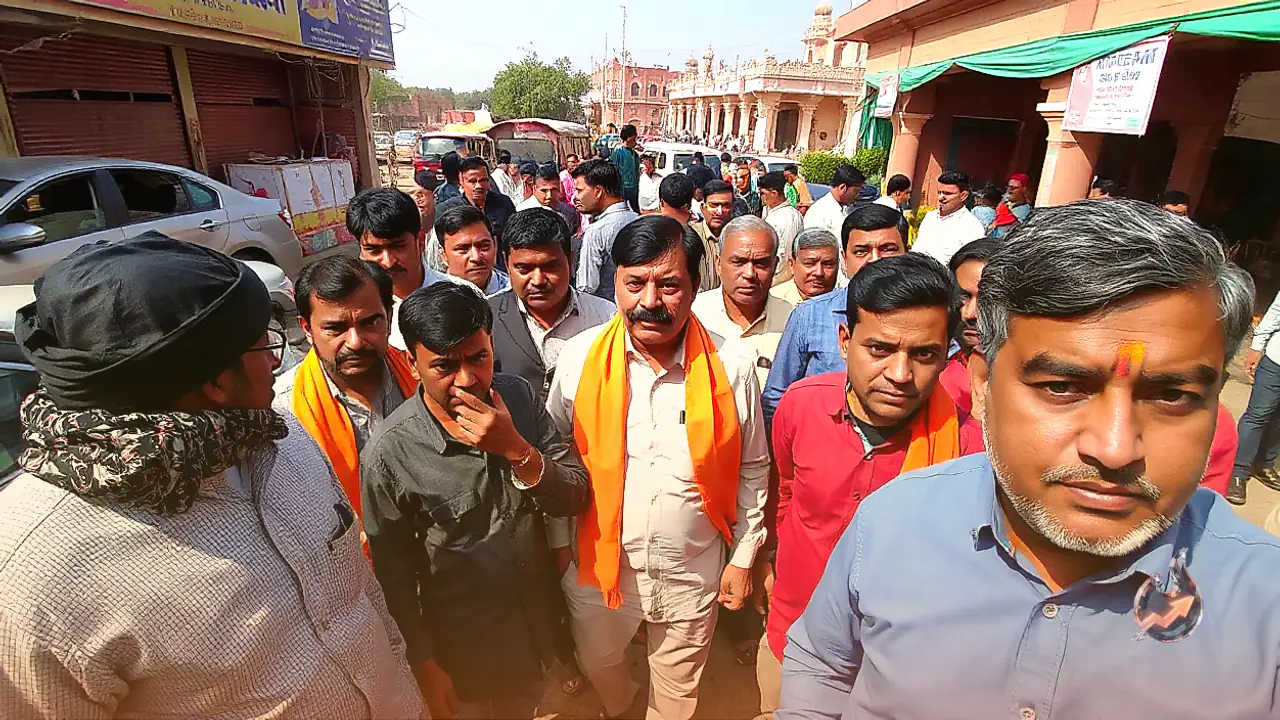

Political activity in Uttar Pradesh has begun gaining early momentum ahead of the 2027 state assembly elections, with the Janata Dal (United) formally stepping into the contest. Nishant Kumar, Bihar Health Minister and prominent party leader, announced an aggressive electoral strategy from the soil of Purvanchal on November 1, 2026. Addressing a large gathering of party workers in Varanasi on Sunday, he clarified that the organization will expand its grassroots presence across the state and enter the upcoming assembly battle as a constituent ally of the National Democratic Alliance.
Varanasi Gathering and Grassroots Mobilization Drive
During his address to the Varanasi gathering, Nishant Kumar emphasized reviving regular communication across the rank and file. He noted that party workers had been awaiting an organizational meeting for a considerable period, and assured them that this dialogue has now started and will continue systematically. He urged the ground workers to carry Nitish Kumar's ideology and development-driven vision to every individual, aiming to accelerate the momentum of administrative growth in both Uttar Pradesh and Bihar.
He also highlighted that the party will make sincere efforts to contest the 2027 assembly elections as an integral constituent of the NDA. Kumar made an appeal to strengthen the grassroots machinery and build broad support to help form an NDA government in Uttar Pradesh when the state heads to the polls. The party's central leadership is using this Varanasi outreach to energize regional units and initiate cadre-building programs in districts bordering Bihar.
Caste Equations in Purvanchal and the Awadh Region
The party's decision to contest in Uttar Pradesh follows long-standing sociological calculations rather than a spontaneous entry. A decisive concentration of the Kurmi community resides across several districts of Purvanchal, including Varanasi, Mirzapur, Sonbhadra, Kaushambi, Prayagraj, and Jaunpur. Similarly, parts of the Awadh region, particularly Rohaniya and Barabanki, have substantial numbers of voters from this demographic group.
Nitish Kumar has historically held wide recognition as an established community leader across these belts. By entering eastern Uttar Pradesh, the party seeks to capitalize on this social goodwill and translate it into a durable organizational footprint. While earlier efforts sought to test these waters, the responsibility of mobilizing this demographic has now been placed under the younger leadership to secure a dedicated support base.
National Recognition Ambitions and Seat Distribution Plans
After registering an electoral presence in northeastern states beyond its home base of Bihar, JD(U) wants to secure a firm political identity in the key Hindi-speaking state of Uttar Pradesh to solidify its standing as a national party. While firmly allied with the Bharatiya Janata Party at the Centre and in Bihar, the leadership hopes that the 2027 state elections will reflect this partnership through a formal seat adjustment, seeking more than 8 to 10 constituencies.
Ground preparations are reportedly being developed across nearly 60 assembly segments, providing the party leverage in eventual seat-sharing deliberations. By cultivating an independent voter following along the geographic corridor connecting Bihar with eastern Uttar Pradesh, the party intends to expand its regional footprint alongside its senior alliance partner.
Alliance Dynamics and the Road Ahead
Widely seen as the successor carrying forward Nitish Kumar's political mantle, Nishant Kumar's entry into Uttar Pradesh signals a major strategic deployment by the party. Following the launch in Varanasi, JD(U) has mapped out plans to organize comprehensive state-level worker conventions in Lucknow, Ballia, Barabanki, and other eastern districts.
Kumar's calm and uncontroversial political demeanor is positioned to appeal to educated voters and young professionals within the Patel community. However, within the existing NDA alliance structure in Uttar Pradesh, Apna Dal (Sonelal) already commands a significant share of the Patel electorate. The entry of JD(U) into Purvanchal could therefore trigger fresh internal competition and renegotiation over constituency allocations and demographic leadership inside the ruling coalition.