















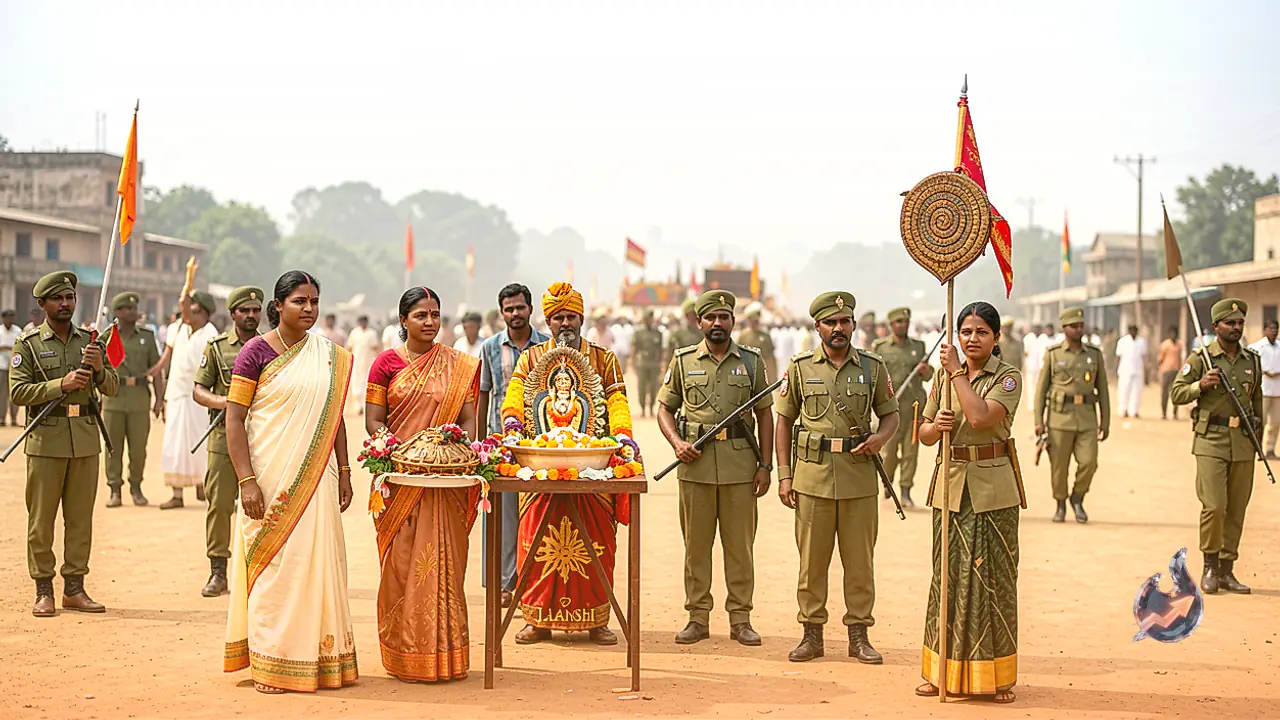

The historic city of Jhansi in the Bundelkhand region is widely renowned for its courage and the legendary legacy of Rani Lakshmibai, yet its heritage extends far beyond battles and fort walls. Embedded within the urban fabric of the city lies the ancient Laxmi Talab, a water body that mirrors centuries of mutual respect, peaceful coexistence, and shared cultural practices. For generations, this historic site has served as a central convergence point for followers of different faiths. While Hindu devotees gather here to immerse sacred idols during major festivals, members of the Muslim community assemble around the same location to fulfill essential mourning rituals associated with Tazias during Muharram. This enduring coexistence makes Laxmi Talab a prominent living symbol of India's composite culture.
A focal venue for religious devotions and idol immersion
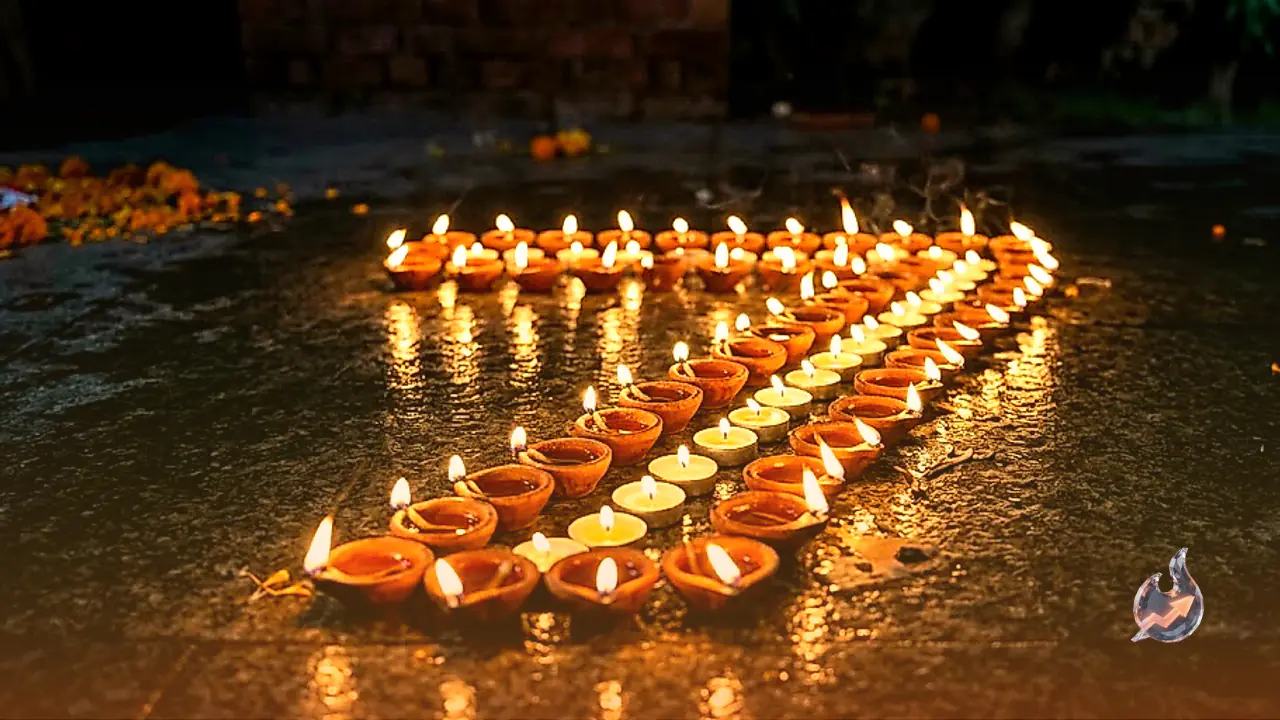
Laxmi Talab and its surrounding precinct have remained deeply intertwined with local religious life since ancient times. Adjacent to this reservoir stands the historic Mahalakshmi temple, an important pilgrimage site that attracts a steady stream of devotees throughout the year. The sacred character of the lake becomes especially visible during major calendar celebrations. Following the conclusion of Ganesh Chaturthi festivities, devotees carry statues of Lord Ganesha to the designated immersion tanks situated along the banks of Laxmi Talab. A few weeks later, as Durga Puja concludes with festive farewell ceremonies, statues of Goddess Durga are also brought to this very complex for ceremonial immersion. By utilizing dedicated immersion tanks developed near the reservoir, the city facilitates the uninterrupted continuation of deep-rooted faith while seeking to protect the primary body of water.
Tazia processions and centuries-old Muharram observances
The cultural significance of Laxmi Talab is enriched further by its central role during the Islamic month of Muharram. Local historian Hargovind Kushwaha points out that the true historical identity of Jhansi is not confined solely to the formidable Jhansi Fort or the heroic exploits of Rani Lakshmibai, but is also carefully preserved across its heritage water bodies, centuries-old shrines, and historic civil architecture. During Muharram, solemn processions carrying elaborate Tazias wind their way through historical neighborhoods and assemble in the vicinity of Laxmi Talab. From this location, mourners carry the Tazias forward to the Karbala following established customs to execute the concluding rites. The fact that the same physical setting serves both Hindu immersion rituals and Muslim mourning ceremonies highlights the deep-rooted tolerance and mutual accommodation that have defined neighborhood life in Jhansi for generations.
Preserving original architectural form and hydrological heritage
Beyond its socio-religious dimension, Laxmi Talab carries immense significance as an artifact of historical water management and traditional urban planning. Understanding the original depth, water retention parameters, and historical engineering of the reservoir requires reference to archival government records and historic administrative surveys. Rapid urbanization, population growth, and modern civic infrastructure have altered the surrounding catchment area significantly over the past decades. Sustaining the integrity of this water body requires consistent municipal care, environmental safeguards, and active civil society participation. Conserving the pristine character and structural heritage of Laxmi Talab is essential so that future generations can witness not only the technical ingenuity of medieval water conservation, but also the living traditions of pluralism that unite the people of Jhansi.