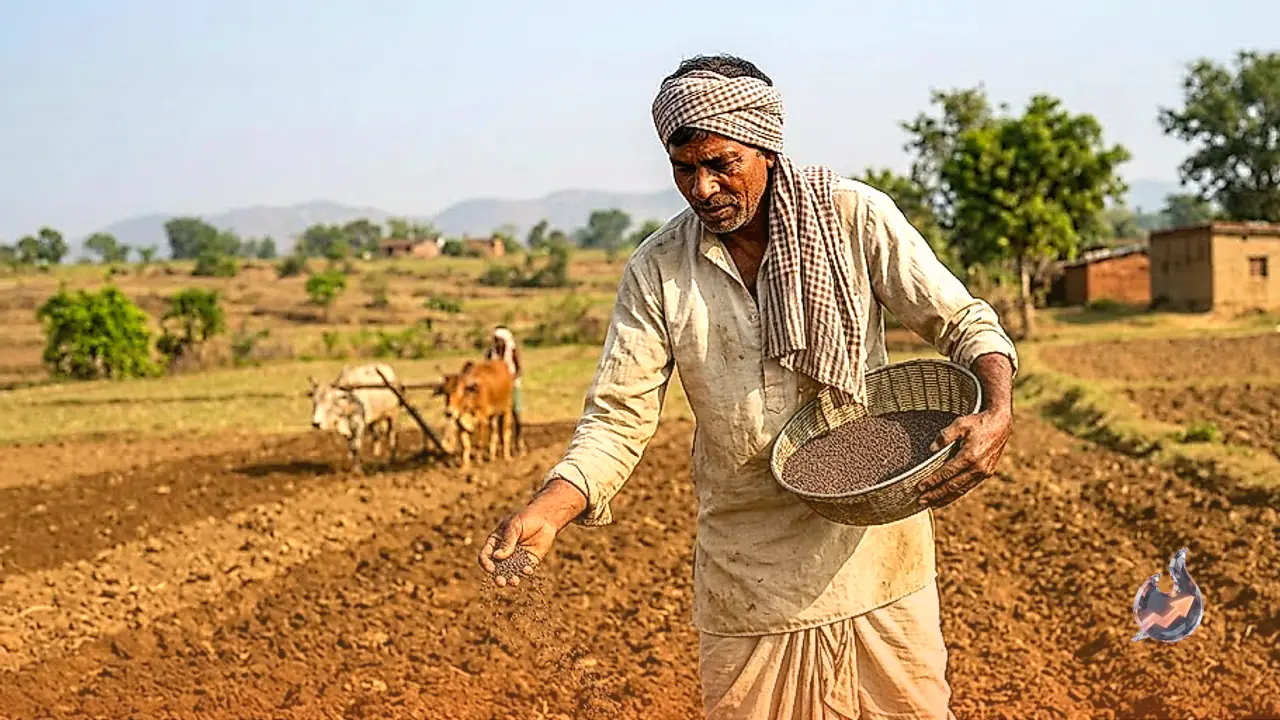























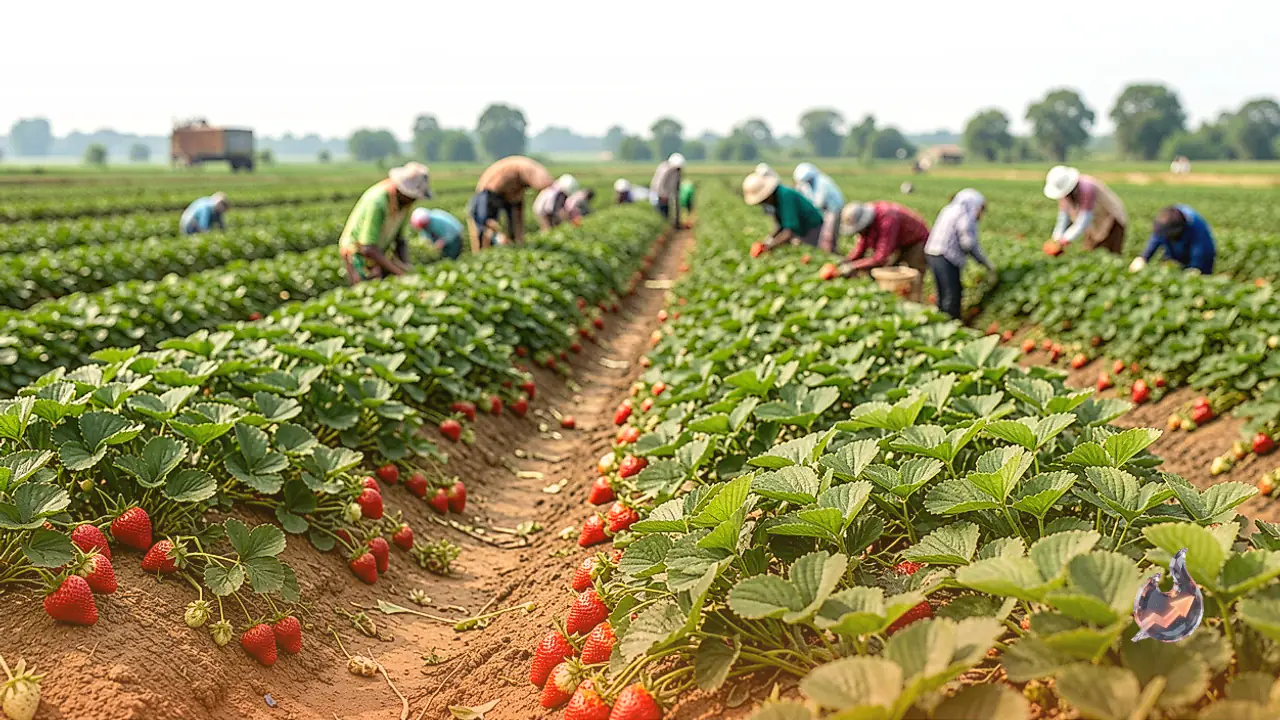

Agricultural practices in the Palamu district are undergoing a noticeable transformation as cultivators increasingly turn their focus from traditional crops toward lucrative cash crops. Strawberry farming has emerged as a particularly profitable venture, offering rural communities a strong avenue for higher financial returns. Agricultural specialists point out that by adopting proper management techniques, selecting the right crop varieties, and ensuring timely inputs, growers can achieve remarkable results from their fields. This crop is especially valued because a single healthy plant can yield a substantial amount of fruit, thereby boosting overall farm revenue significantly when paired with robust market demand.
Proper Spacing and Varietal Selection
Pramod Kumar, an agricultural scientist at the Regional Research Station Chianki, emphasized that the precise placement of plants plays a critical role in successful strawberry cultivation. Farmers generally maintain a distance of 25 centimeters between individual plants and 40 centimeters between separate rows to give each root system adequate room to grow while simplifying routine maintenance tasks. Growers in Palamu predominantly utilize the Winter Dawn variety, though alternative options such as Chandler and Pusa Early are also suitable for the region. Cultivation work can effectively begin even after October 15, and depending on weather conditions and crop management, harvesting typically starts roughly 40 to 45 days after transplantation, continuing from February through March.
The Role of Mulch in Preventing Rot
Maintaining adequate soil moisture and managing unwanted weeds are essential components of successful strawberry production, though high moisture levels can also accelerate weed growth. To counter this, the application of mulch has proven exceptionally beneficial for local growers. Laying down mulch prevents the berries from resting directly against the soil, which substantially lowers the risk of the fruit becoming soiled or rotting. Additionally, this method assists in retaining vital soil moisture and keeping weed proliferation under effective control throughout the growing season.
Sourcing Quality Plants from Pune
Producers in Palamu aiming for high-standard harvests rely heavily on outside sources for planting materials, with many individuals ordering their saplings directly from Pune. Before proceeding with the actual transplantation into the fields, it is vital to treat the roots properly to safeguard them against potential diseases. Consistent crop monitoring combined with attentive daily care ensures that production quality remains high from planting to harvest.
Harvesting Guidelines and Market Transport
Because strawberries are inherently delicate fruits, extraordinary care must be exercised during the harvesting, packaging, and shipping phases. Once the fruit reaches approximately 75 percent maturity, farmers can begin picking them based on how far the target market is located and what buyers demand. Following harvest, the berries are packed securely inside ventilated plastic containers to prevent bruising and crushing during transit. Producers in Palamu have viable access to major commercial hubs such as Kolkata and Varanasi, though weighing transportation expenses against current market prices remains crucial for maximizing profitability.
Leveraging Government Assistance
To help expand the reach of strawberry cultivation across the district, cultivators are encouraged to reach out to the local district horticulture department. Depending on eligibility criteria and the provisions of specific agricultural schemes, farmers can secure government assistance or financial subsidies that ease the cost of production. Such support reduces overall expenses and paves the way for substantial profits at harvest time.