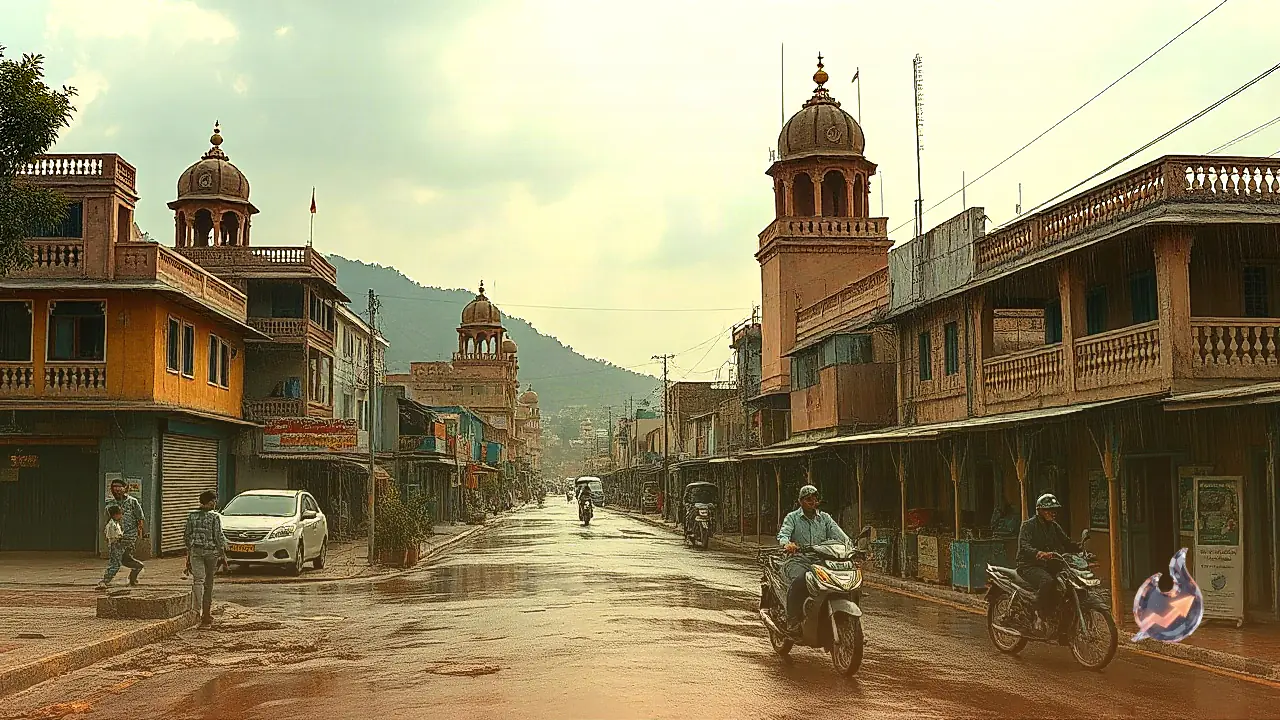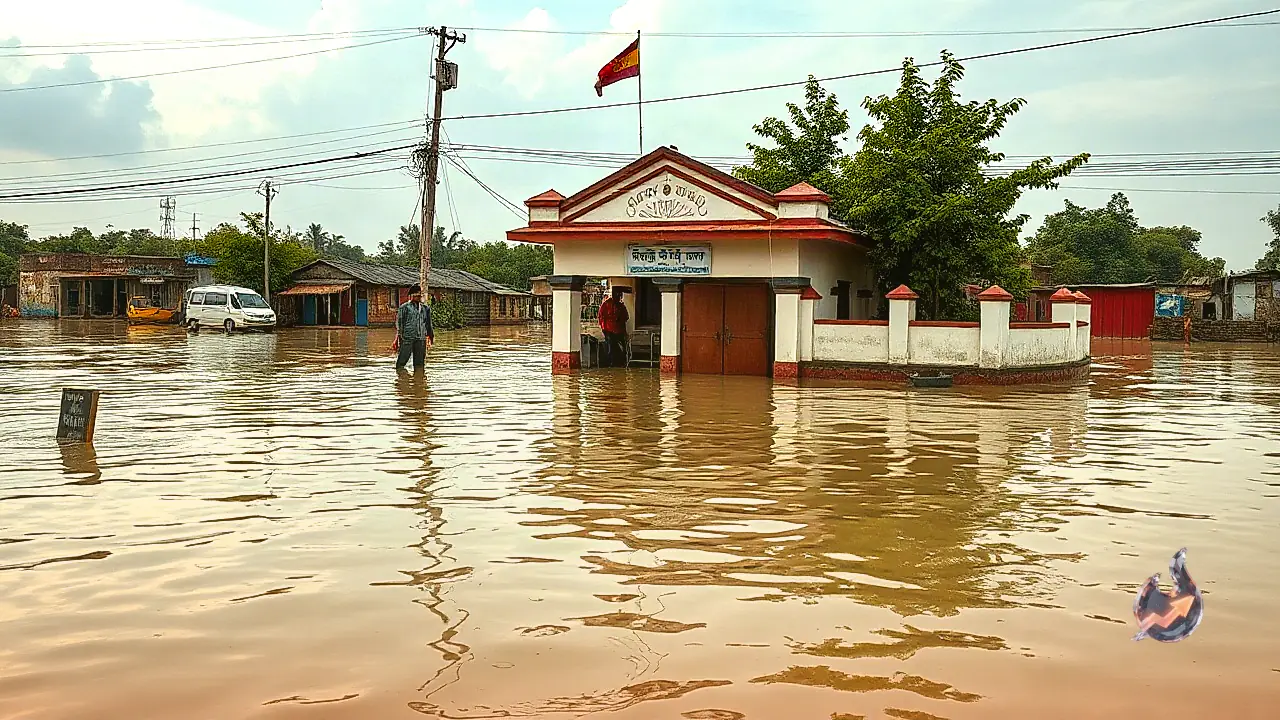






















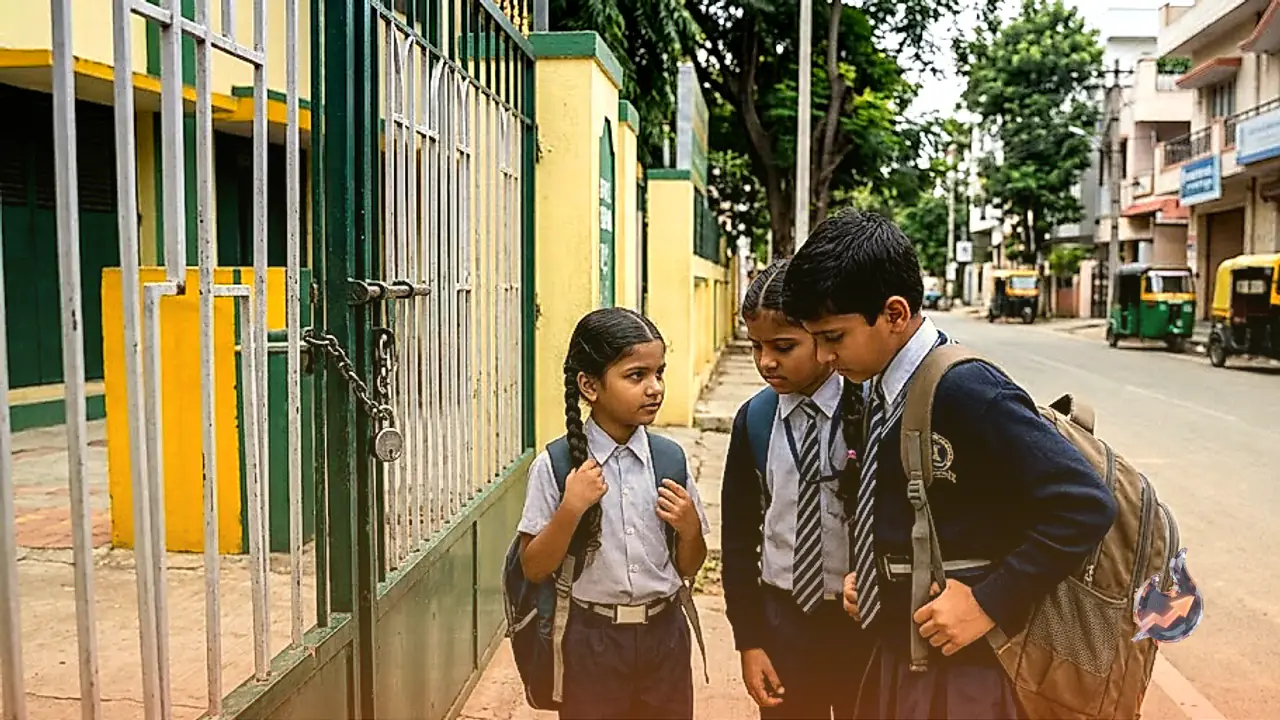

Interstate river water sharing conflicts have surfaced once again in Karnataka, triggering plans for a widespread protest across the state. Prominent Kannada activist Vatal Nagaraj has issued a call for a comprehensive statewide bandh on Thursday, August 13, aimed at pressing the government on long-pending water projects involving neighboring states Tamil Nadu and Goa. Key demands motivating the demonstration include the swift implementation of the Mekedatu balancing reservoir project, a permanent resolution to the Mahadayi river dispute, and the immediate execution of the Kalasa-Banduri drinking water initiative. Escalating friction surrounding the Cauvery river basin has further intensified the momentum behind this organized public protest.
Core Demands Behind the Statewide Protest Call
The disputes over river waters between Karnataka and its border neighbors have remained highly sensitive economic and political issues for decades. The upcoming demonstration led by Vatal Nagaraj consolidates grievances over three primary engineering and irrigation projects. The central grievance revolves around the Mekedatu reservoir proposed across the Cauvery river, which has met with consistent opposition from Tamil Nadu. In addition, activists are highlighting the Mahadayi water dispute affecting northern districts of Karnataka, alongside the Kalasa-Banduri project designed to secure drinking water for drought-prone regions. Protesters maintain that securing regulatory clearances and construction progress on these projects is critical for safeguarding the state's agricultural and domestic water security.
Extent of Support and Pro-Kannada Group Mobilization
Outlining the scale of the planned shutdown, Vatal Nagaraj stated that over 2,000 pro-Kannada organizations, trade groups, and regional associations have extended their backing to the protest call. Organizers anticipate that additional unions and civil groups will join the movement prior to August 13. While ideological differences and strategic disagreements exist among a few pro-Kannada factions regarding the timing and exact focus of the protest, Nagaraj affirmed that the shutdown will proceed on August 13 as scheduled without any postponement.
Attibele Border Blockade and Interstate Traffic Disruptions
Tensions surrounding the bandh have already materialized in physical demonstrations along key transit corridors. Activists recently staged a major roadblock at the Attibele border checkpoint connecting Karnataka with Tamil Nadu. During that event, demonstrators halted vehicular movement in both directions, severely impeding state transport buses, commercial trucks, and private passenger vehicles. The border blockade caused lengthy traffic delays and served as a preview of potential highway disruptions expected on August 13, particularly along routes linking Bengaluru to Tamil Nadu and surrounding regions.
Impact on Transport Services, Private Vehicles, and Airport
Uncertainty remains regarding the operational level of public transport and transit hubs during the shutdown. Authorities have not announced any official blanket shutdown of essential services across Bengaluru or Karnataka. Private automobiles and taxis are permitted to run, though drivers and commuters are advised to prepare for localized traffic diversions, slow movement, and impromptu blockades near sensitive junction points. Operations at Bengaluru's Kempegowda International Airport have not been officially suspended, despite warnings issued by protest organizers regarding a prospective visit by the Tamil Nadu Chief Minister. However, interstate long-distance buses traveling toward Tamil Nadu are likely to experience cancellations, altered routes, or operational delays, while cross-border freight movements could be temporarily halted if major highways remain blocked.
Status of Schools, Colleges, and Educational Institutions
Conflicting announcements created initial ambiguity regarding whether schools and colleges would close for the bandh. An educational association that had previously suggested a shutdown on August 13 subsequently retracted its call. As a result, parents and students are instructed not to assume an automatic statewide holiday. Instead, families should rely on direct communications and official advisories issued by their respective school managements, colleges, and local district authorities to verify attendance requirements for that day.
Commercial Establishments, Markets, and Hotel Operations
The extent of disruption across commercial districts, retail centers, and dining establishments will depend on voluntary local participation. Vatal Nagaraj has directly requested hotel and restaurant owners in key urban centers like Bengaluru and Mysuru to close their businesses in solidarity with the water demands. Corporate offices and private firms may elect to allow employees to work remotely to avoid transit complications. Local merchant associations in neighborhood markets are expected to make independent determinations on whether to keep shopfronts open.
Government Deliberations and Legal Strategy
In parallel with the public mobilization, the Karnataka state administration is evaluating its legal and policy posture regarding the water disputes. Karnataka Chief Minister D K Shivakumar convened a high-level meeting featuring cabinet ministers, senior Congress leaders, department officials, and legal counselors. The consultation was organized to formulate the state's official strategy in response to recent directions issued by the Cauvery Water Management Authority. State leadership aims to protect Karnataka's constitutional and legal water entitlements while deploying adequate law enforcement measures to maintain order during the August 13 protest.