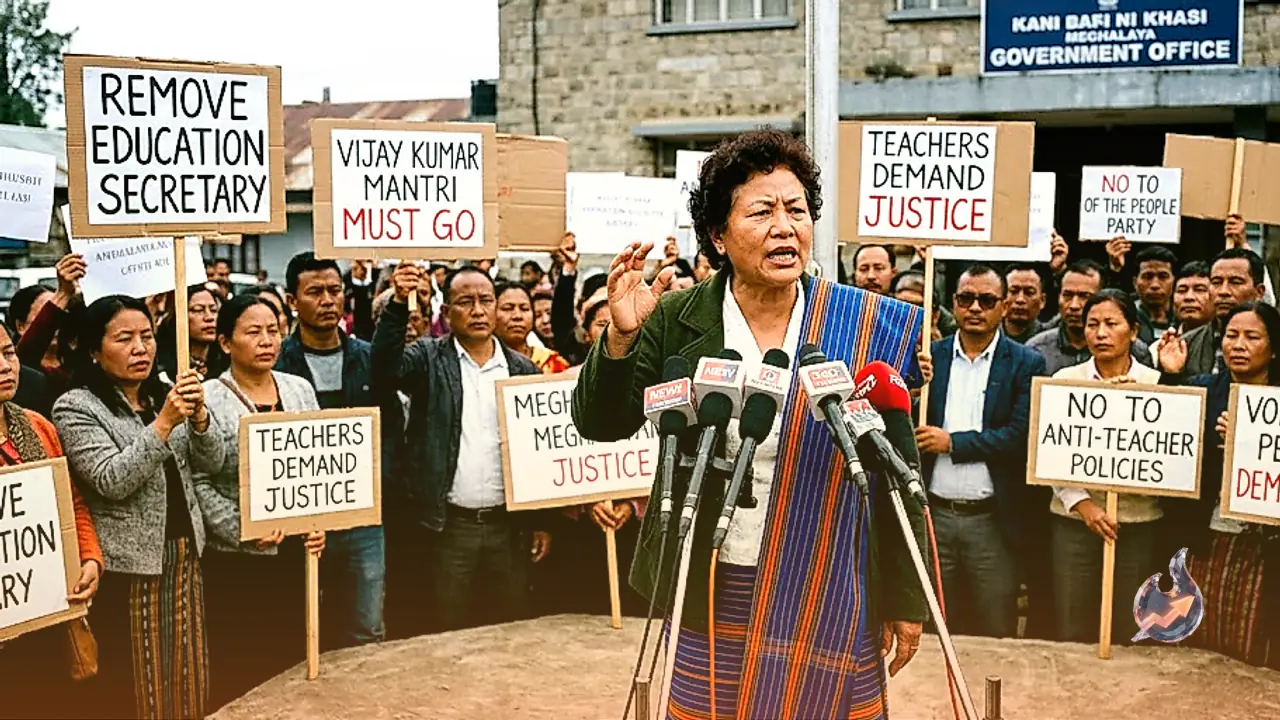















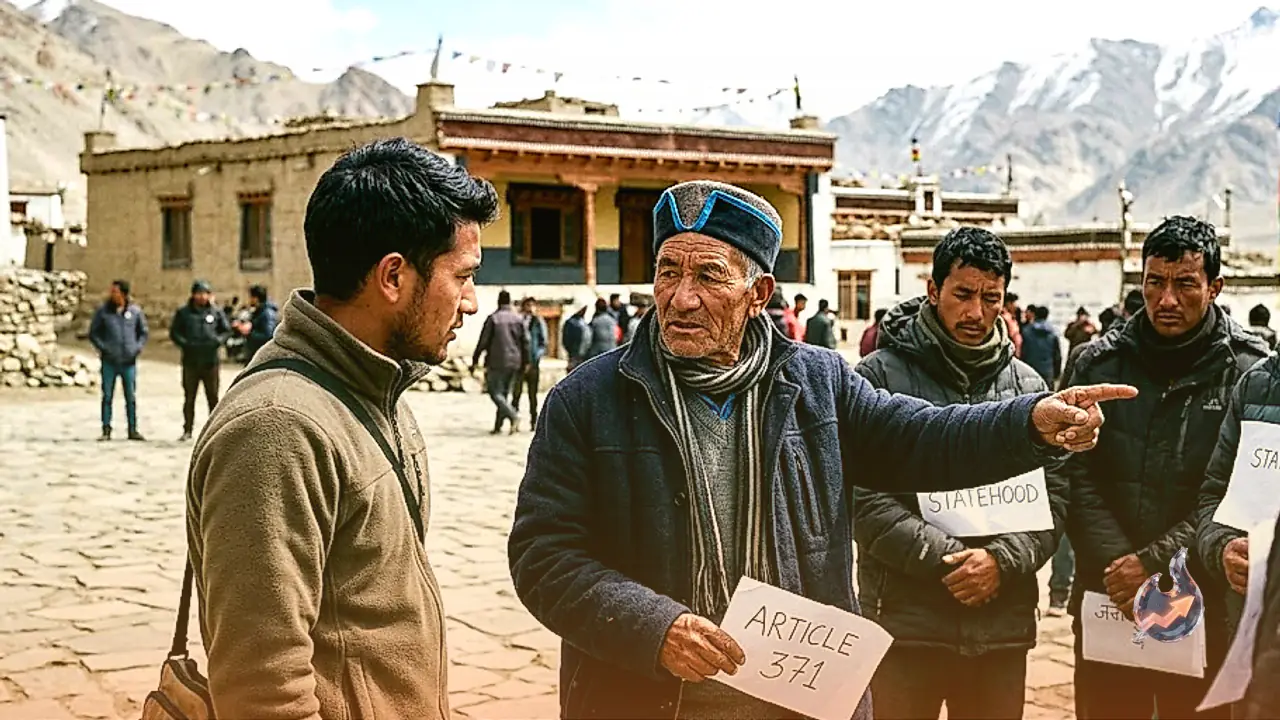

The situation in Ladakh has remained tense since four lives were lost in police firing on September 24, 2025. This tragic incident transformed the socio-political landscape of the region, leading to Sonam Wangchuk being booked under the NSA and staging a hunger strike at Jantar Mantar, which was eventually called off following interventions by JP Nadda and Dr. Jitendra Singh. While Kiren Rijiju stated that Amit Shah agreed in principle to grant Article 371 (K) to Ladakh, and the Home Ministry assured local leaders of a Union Territory with a legislature, the core issues remain unaddressed a year later. Representatives from the Ladakh Apex Body and the Kargil Democratic Alliance engaged in talks with the Home Ministry on September 9 to discuss statehood, but while verbal promises regarding Article 371 (K) were extended, leaders are now insisting on a written draft.
The Standoff Over Written Assurances and Renewed Agitation
Sonam Wangchuk, who participated in the discussions, has issued a fresh warning that agitations will resume if a concrete written roadmap is not provided following the September 9 meeting. Wangchuk stated that without formal government assurances on Ladakh's core demands, a new movement would commence between September 19 and 24. Although a march was previously announced, coordinator Sajjad Kargili has temporarily put it on hold. Both the LAB and KDA acknowledge the weight of the Home Ministry's verbal assurances, viewing the establishment of an elected body and the creation of a Chief Minister's post as vital initial steps toward full statehood.
The Core Dispute Over Chief Ministerial Powers
The primary point of contention centers on the extent of executive authority the new Chief Minister will wield. Ladakh's leaders are advocating for the Puducherry model, where police forces report directly to the elected government. Conversely, the Home Ministry's proposal leans closer to the Delhi model, which retains law and order control under the Lieutenant Governor. This fundamental disagreement has created a major roadblock in negotiations, further complicated by announcements regarding district council elections.
Controversy Surrounding District Council Elections and Territorial Division
Lieutenant Governor VK सक्सेना recently approved the establishment of the Ladakh Autonomous Hill Development Council across all 7 districts, expanding it beyond its previous confinement to Kargil and Leh. While the LG champions this as a major leap for grassroots democracy, local leaders question why these polls cannot be synchronized with the proposed UT assembly elections. Furthermore, leaders in Kargil have raised strong objections to the new district demarcation, arguing that densely populated and remote areas like Sankoo, Shargole, and Kargil deserve independent district status.
Awaiting the Winter Session for Legislative Resolution
Over the past year, the central government and Ladakh's leadership have bridged significant gaps, but a final push from Prime Minister Narendra Modi and the Home Minister is now required to permanently alleviate the anxieties of the northern frontier's population. The upcoming month is seen as crucial. If the government demonstrates tangible ground action regarding Article 371 (K), the regional atmosphere could shift dramatically. Should a constitutional amendment be introduced during the winter session, celebrations could follow in Ladakh, but until concrete action replaces verbal promises and missing drafts, tension will persist.