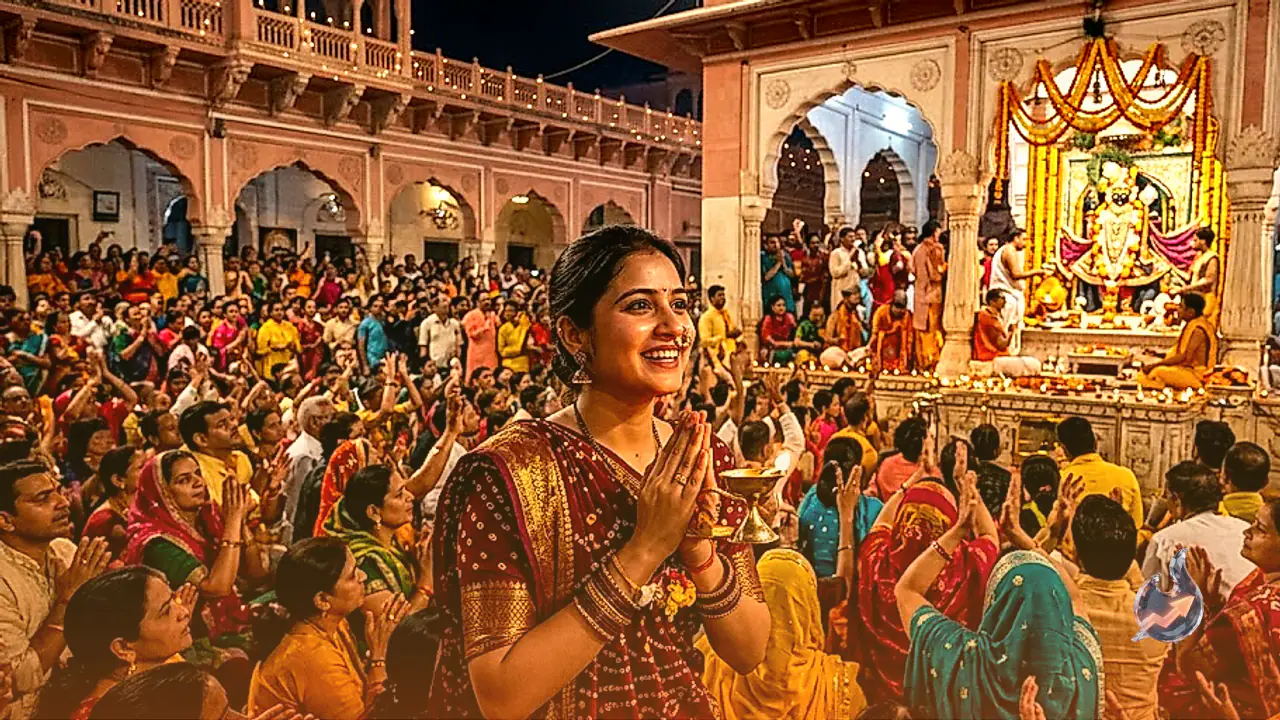
















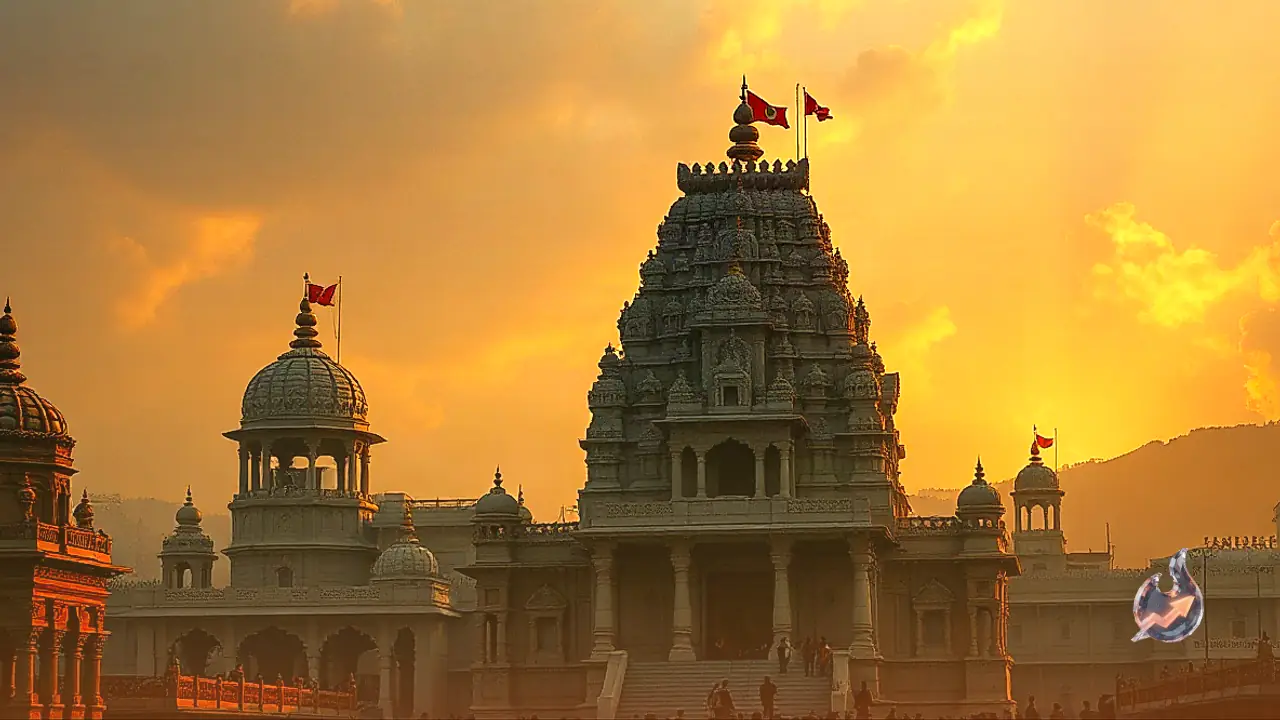

On 22 January 2024, the consecration ceremony of Ram Lalla at the newly constructed Ram Temple in Ayodhya marked the historic culmination of the decades-long Ram Janmabhoomi movement. With the primary objective of constructing the temple successfully achieved, the movement entered a brand-new phase. However, as temple operations expanded to accommodate millions of visiting devotees, fresh administrative and management challenges began to emerge. Following allegations of cash theft involving temple offerings, the need for a comprehensive overhaul of the trust's administrative architecture became increasingly apparent. Amid the ongoing investigation, General Secretary Champat Rai and Trustee Anil Mishra resigned from their positions in June 2026. To establish a more transparent, professional, and institutional governance framework, a crucial meeting of the Shri Ram Janmabhoomi Teerth Kshetra Trust was convened in Ayodhya on 2 September 2026. During this meeting, a newly restructured administrative team was officially announced, heralding an era widely described as 'Ram Mandir 2.0', where focus has formally shifted from agitation to long-term institutional management.
New Administrative Structure and Mahesh Bhagchandka's Appointment
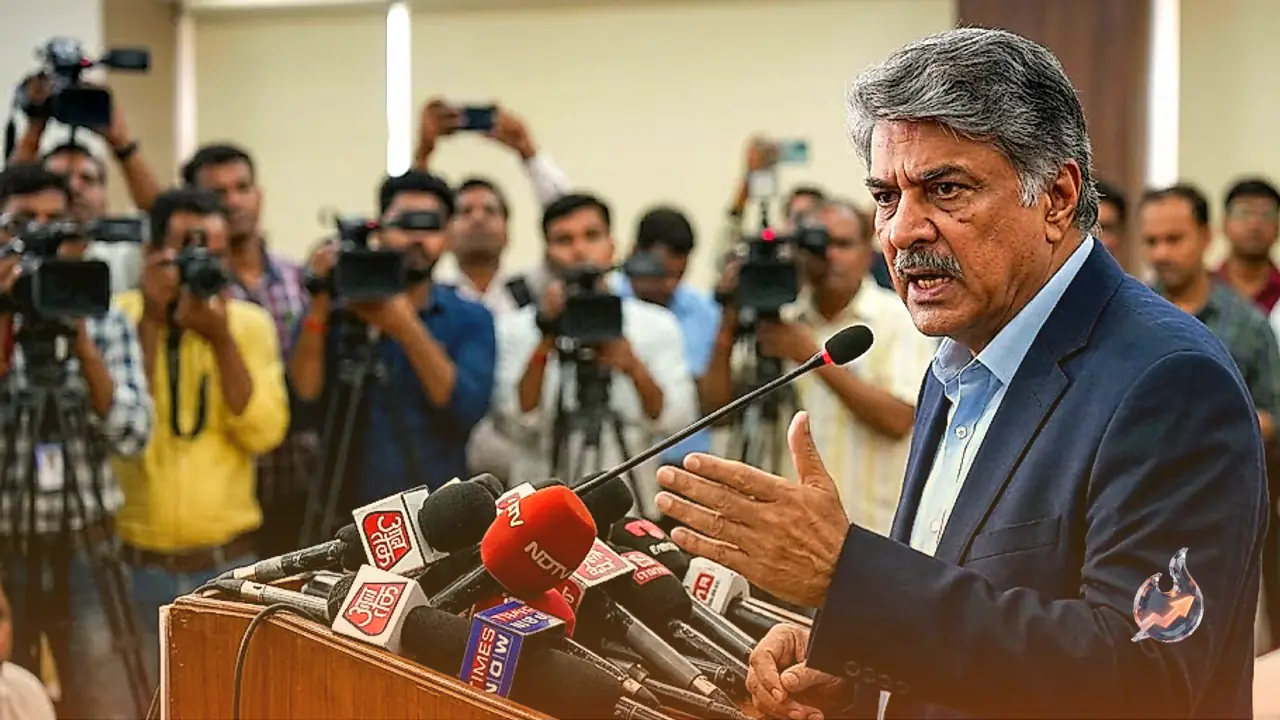
Under the new administrative framework finalized during the 2 September 2026 meeting in Ayodhya, prominent Delhi businessman and philanthropist Mahesh Bhagchandka was inducted into the Shri Ram Janmabhoomi Teerth Kshetra Trust as a member and assigned the pivotal role of Treasurer. Mahesh Bhagchandka is a well-established figure in the corporate world, serving as the Chairman of the M2K Group. Furthermore, in a landmark move for the trust's organizational history, the position of Chief Executive Officer (CEO) was created for the very first time, with retired Air Marshal Jitendra Mishra being selected to head the executive administration. In the same restructuring, Swami Govind Dev Giri assumed the responsibilities of General Secretary. The trust also inducted three new trustees into its governing body: Delhi business leader Mahesh Bhagchandka, senior Ayodhya advocate Madan Mohan Pandey, and Dr. Nirmala Yadav, an eminent academician from Shikohabad. This newly appointed leadership structure aims to bring modern corporate standards, professional governance, and enhanced financial accountability to managing the temple's vast resources and pilgrimage facilities.
Deep Ties to Ashok Singhal's Legacy and Ideological Background
Viewing Mahesh Bhagchandka's appointment to the trust merely as the selection of a successful corporate leader overlooks the deeper historical and ideological context of his nomination. The most notable aspect of his background is his long-standing association with the late Ashok Singhal, a towering figure of the Ram Janmabhoomi movement who, as the leader of the Vishva Hindu Parishad (VHP), galvanized nationwide support for the temple campaign. According to media reports, Mahesh Bhagchandka is a close relative of the late Ashok Singhal. Beyond familial ties, he has been deeply engaged with Singhal's ideological work and organizational legacy. He serves as a Founder-Trustee of the Ashok Singhal Foundation and has authored a comprehensive book chronicling the life and struggles of Ashok Singhal. Having been present during key milestones of the temple movement over the years, Mahesh Bhagchandka's entry as Treasurer serves as a vital bridge connecting the historic legacy of the Ram Janmabhoomi movement with contemporary institutional management.
Donation Controversy, SIT Clean Chit, and Context of Reforms
This major organizational overhaul within the Shri Ram Janmabhoomi Teerth Kshetra Trust took place against the backdrop of an investigation into the alleged theft of cash offerings at the temple. Following complaints regarding irregularities in cash donations, law enforcement authorities initiated an inquiry that led to the arrest of eight individuals. As public scrutiny intensified over the trust's handling of donation management, General Secretary Champat Rai and Trustee Anil Mishra tendered their resignations in June 2026 to ensure an unhindered investigation. Subsequently, the Special Investigation Team (SIT) submitted its final investigation report. The SIT final report found no evidence supporting the allegations against Champat Rai and Anil Mishra, granting both senior officials a complete clean chit. Although the investigation exonerated both leaders, the controversy emphasized the urgent necessity for robust internal controls and modernized financial auditing systems. Consequently, during the 2 September 2026 meeting, the trust formally approved the financial accounts for the fiscal year 2025-26 while appointing a seasoned business leader to oversee future treasury operations.
From Agitation to Management: The Strategic Pivot to Ram Mandir 2.0
The arc of the Ram Janmabhoomi narrative can be understood through two distinct historical phases. The initial phase was defined by the movement itself, where the sole objective was securing the right to build the temple in Ayodhya through public rallies, nationwide yatras, mobilization of spiritual leaders, and extensive legal proceedings. That era required the fiery, mobilational leadership exemplified by Ashok Singhal. However, with the completion of the temple and the formal consecration of Ram Lalla, the core challenge evolved from building the structure to managing its complex daily operations, a phase now designated as 'Ram Mandir 2.0'. This current stage requires sophisticated management of financial donations, crowd control for millions of pilgrims, security infrastructure, and civic amenities. The establishment of a dedicated CEO post reflects this strategic shift toward structured corporate governance.
Rigorous CEO Selection Process and Integration of Military Precision
The appointment process conducted for the newly established CEO role underscores the trust's focus on operational excellence. A total of 5,585 applications were submitted for the Chief Executive Officer position. The candidates underwent a multi-stage evaluation process based on stringent administrative and leadership criteria, which ultimately shortlisted three finalists. Following final reviews, retired Air Marshal Jitendra Mishra was unanimously selected for the post. Having served for decades in high-level command and administrative roles within the Indian Air Force, Jitendra Mishra brings military precision, organizational discipline, and strategic oversight to the trust's daily operations, ensuring that administrative duties are handled with high efficiency alongside traditional spiritual guidance.
Symbolic Significance, Financial Transparency, and Future Outlook
While Mahesh Bhagchandka's appointment as Treasurer carries distinct administrative objectives, it also holds considerable symbolic value within the broader socio-political landscape. In the wake of financial scrutiny surrounding temple donations, appointing a respected corporate leader who also possesses deep ties to Ashok Singhal's family and foundation addresses dual priorities. On one hand, his business expertise as Chairman of the M2K Group promises improved financial auditing, systematic donation recording, and structured treasury management. On the other hand, his proven commitment to Ashok Singhal's legacy maintains continuity and trust among long-time supporters and spiritual leaders of the movement. The administrative changes finalized on 2 September 2026 demonstrate that the Ram Temple Trust is entering a new chapter characterized by both spiritual sanctity and modern institutional transparency.