
















The political landscape in rural Rajasthan is heating up as the multi-tiered panchayat raj elections enter their concluding phase. With voting dates fast approaching, political formations are rapidly executing their strategies to capture influential local bodies. The immediate focus has shifted toward safeguarding winning candidates and maintaining strict organizational unity ahead of the crucial outcome declarations.
Schedule For The Final Voting And Vote Counting Phases
The fourth and final round of polling for the panchayat elections across the state is set to take place on November 14 and November 16. Voting for members of district councils and intermediate panchayat committees will be conducted on the first date. This will be followed by polling for village panches and heads on November 16. While the results for village-level representatives will be declared immediately on the same day after polling concludes, the ballots cast for district council and block committee members will be tallied together across all four phases on November 20.
Securing Candidates Through Camps Disguised As Training Sessions
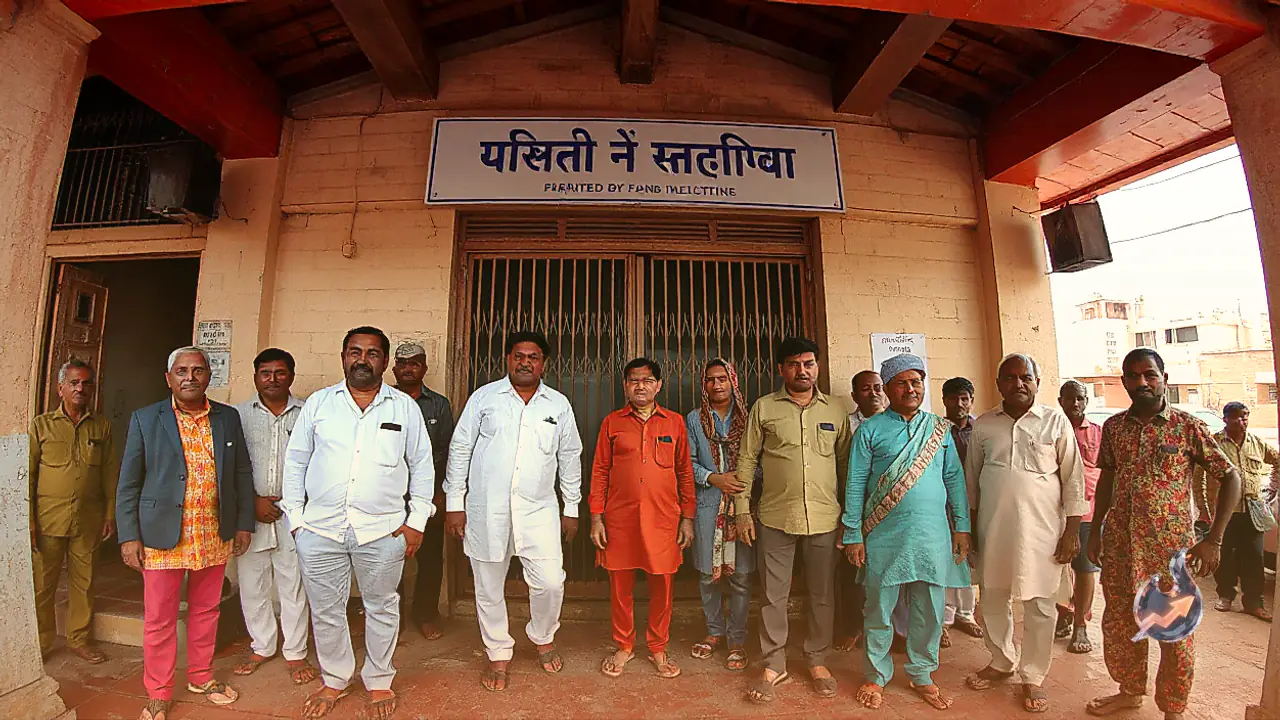
Mirroring strategies previously deployed in urban body polls, the ruling party has initiated a protective containment strategy for its panchayat election nominees. Officially branded as training camps, these gatherings are designed to keep newly elected district council and block committee members in constant touch with the party apparatus. The primary objective is to ensure that all allied representatives remain united until the elections for district chiefs and block heads are officially concluded. Observers note this as one of the most extensive organizational containment efforts undertaken during local polls, aimed at solidifying the arithmetic of support for top leadership roles.
Decentralized Arrangements Managed By Local Party Functionaries
To keep the candidates tightly knit, arrangements have been established at the local level rather than a single centralized location. District-level party office bearers have been assigned direct responsibility for managing these groups under the strict oversight of senior leaders. Jaipur Rural District President Rajesh Gujar is coordinating directly with the candidates on the ground. The challenge for the organization extends well beyond securing electoral victories; managing political horse-trading and maintaining strict alignment for leadership posts in closely contested districts remains a formidable task.
Addressing the massive scale of the electoral exercise, a total of 41 district councils will elect 1,403 council members, while 457 panchayat committees will choose 8,245 block members. Combined across both tiers, an extensive pool of 9,648 members forms the core of this electoral process. Elected district council members will eventually choose their respective district chief, while block committee members will elect their local head. Consequently, the exact tally and allegiance of these representatives will dictate who claims the highest administrative seats in rural governance.
Every Single Vote Will Prove Critical In Close Contests
The party's operational blueprint treats the member selection and the subsequent leadership votes as distinct phases. The initial target is securing maximum victories across council and committee seats. Maintaining continuous communication among winners is intended to guarantee absolute majorities when district chiefs and heads are chosen. While regions with clear mandates pose fewer hurdles, intensely fought districts will rely heavily on individual allegiances where every single vote can alter the final outcome.
Organizational Goals And A Dual-Front Electoral Test
Detailing the party's approach, BJP State General Secretary Shravan Singh Bagdi explained that these camps will focus on organizational work plans, defining the roles of elected representatives, and effectively communicating government initiatives to the grassroots. Maintaining uninterrupted communication remains the party's topmost priority. However, keeping such a massive contingent of candidates isolated for an extended period, particularly during the peak wedding season, presents a distinct logistical hurdle. The party now faces a simultaneous two-pronged trial: capturing maximum seats across 41 district councils and 457 block committees, and converting that numerical strength into executive control over district chief and head positions.