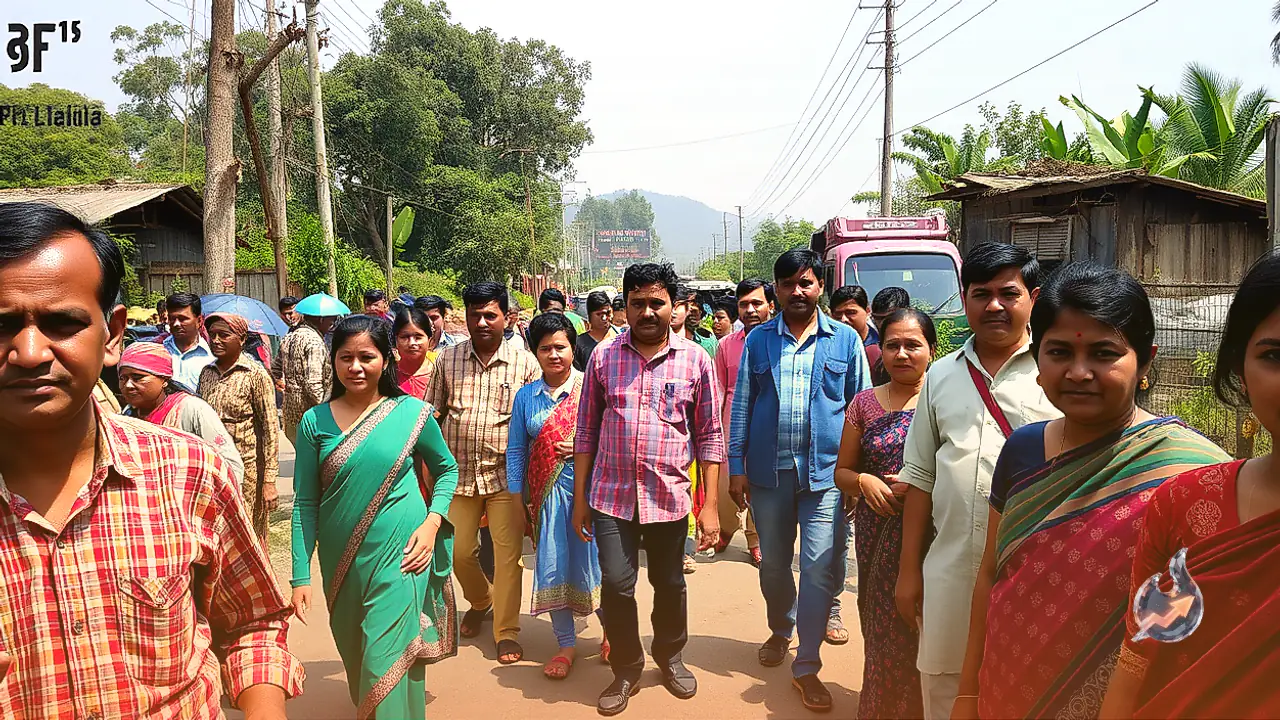
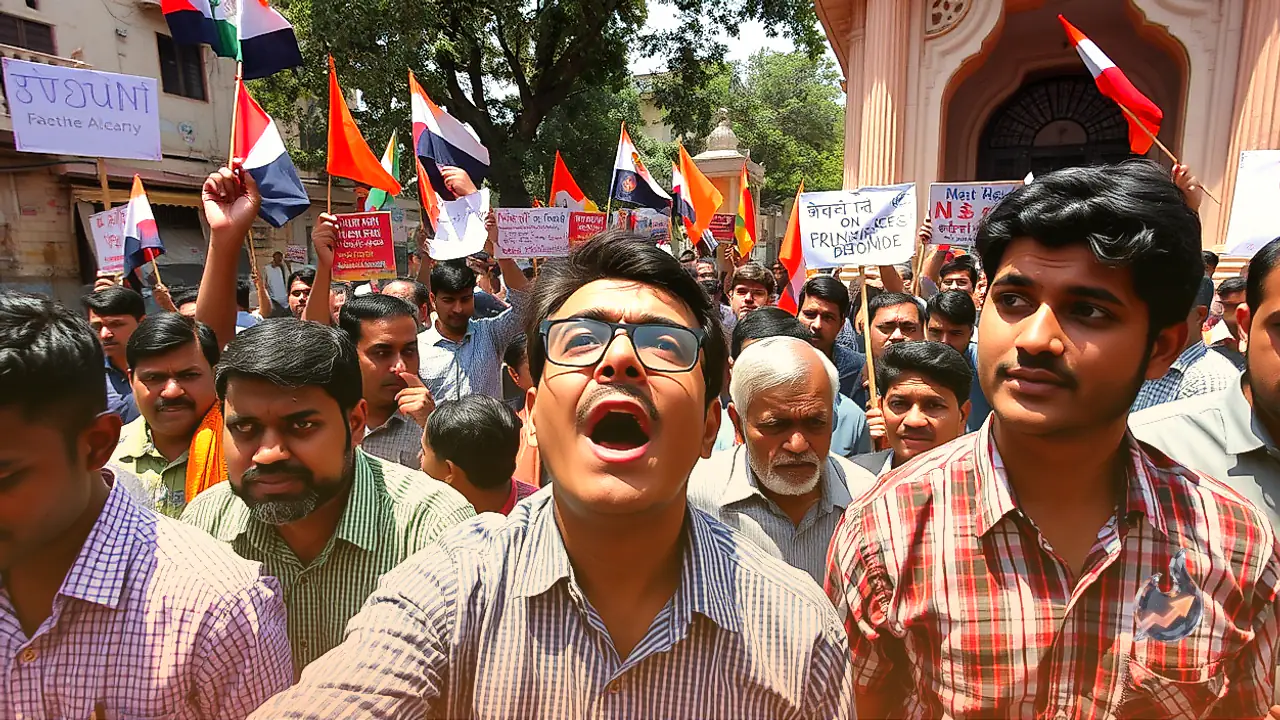



















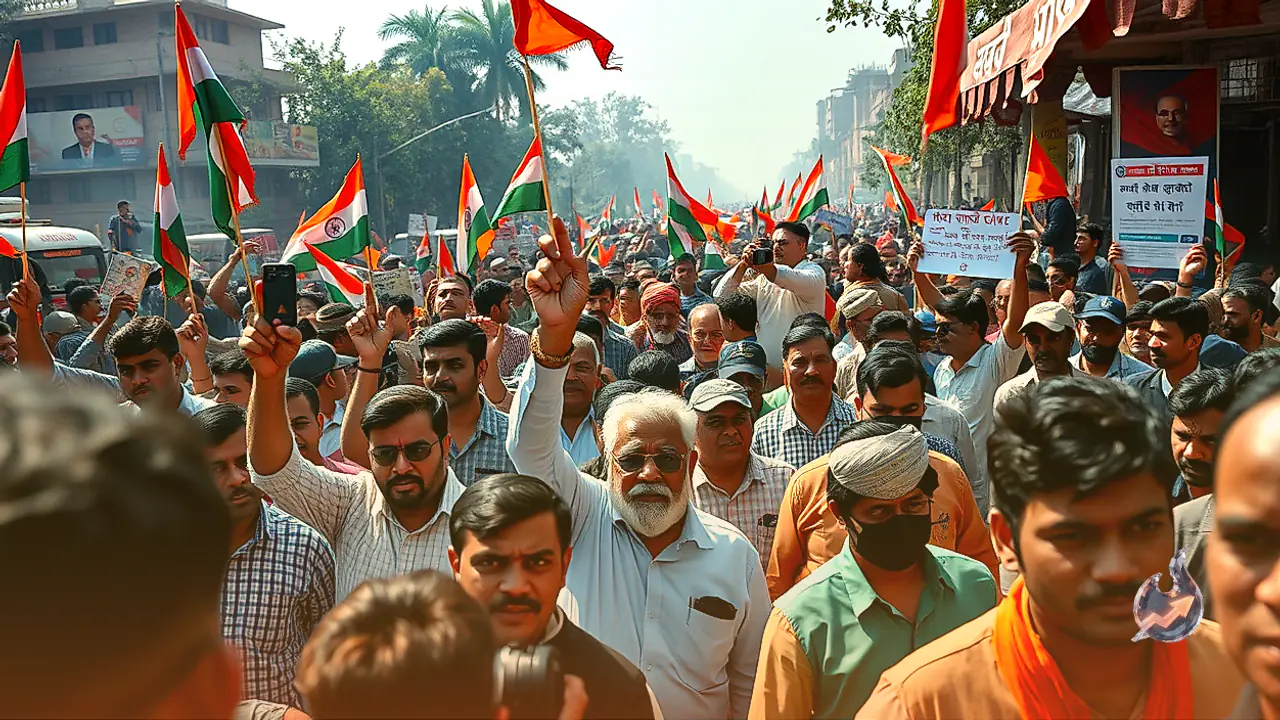

Intense public fury over the integrity of electoral procedures spilled onto the streets of India's two most prominent metropolitan hubs on Gandhi Jayanti. Demonstrators targeted the leadership of the election body, directly confronting the authorities over alleged discrepancies in voter rosters and the SIR mechanism. Accusing officials of undermining democratic norms, protesters rallied in high numbers, prompting heavy law-enforcement deployments that culminated in scuffles, barricading, and sweeping detentions across both locations.
Jantar Mantar Standoff Leads to Extensive Detentions
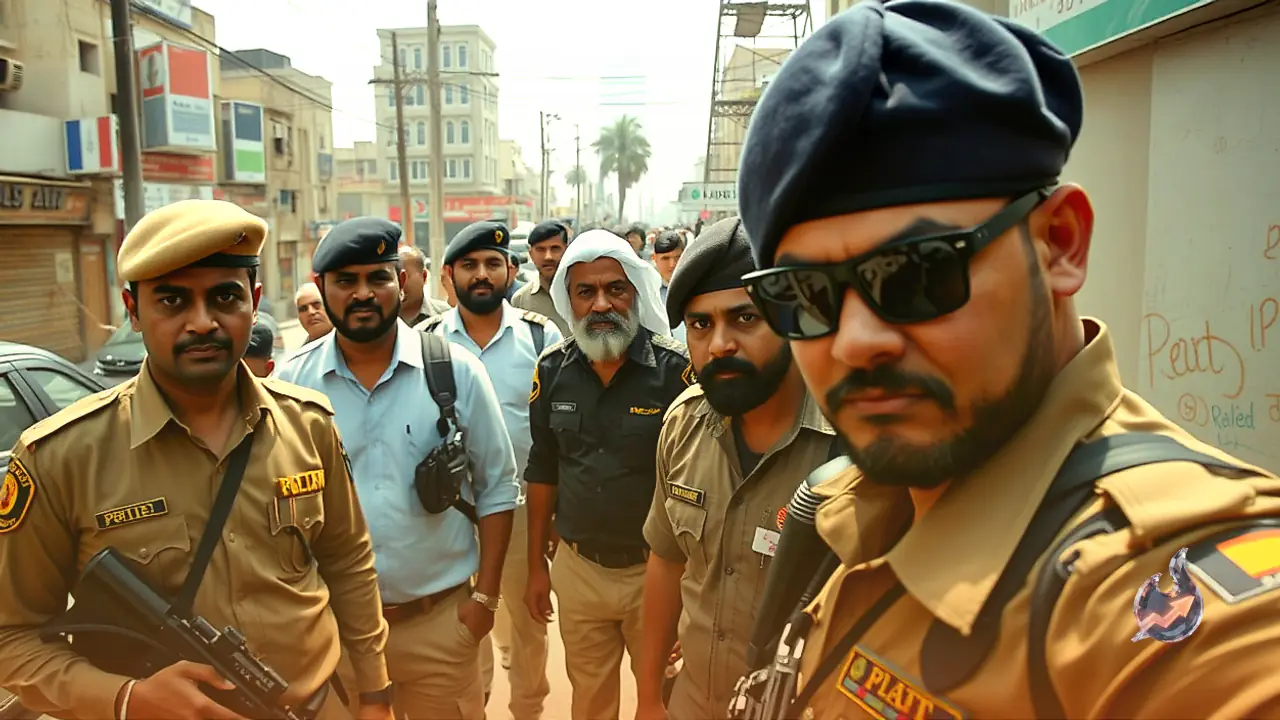
The situation in the national capital quickly escalated into a tense standoff between administrative forces and political leaders attempting to gather near the designated protest zone. Security personnel moved swiftly to intercept the marchers, resulting in sharp confrontations at the barricades. Prominent figures including Rajya Sabha MP Sanjay Singh, former Chief Minister Atishi, state unit chief Saurabh Bharadwaj, Anurag Dhanda, and Sanjeev Jha were among the multitude escorted into custody alongside more than a thousand participants. Demonstrators asserted that the poll panel has compromised administrative transparency and jeopardized citizens' fundamental franchise. Following their detention, party representatives maintained that police action would not intimidate them from safeguarding public voting rights.
Defying Directives at Shivaji Park for Civil Disobedience
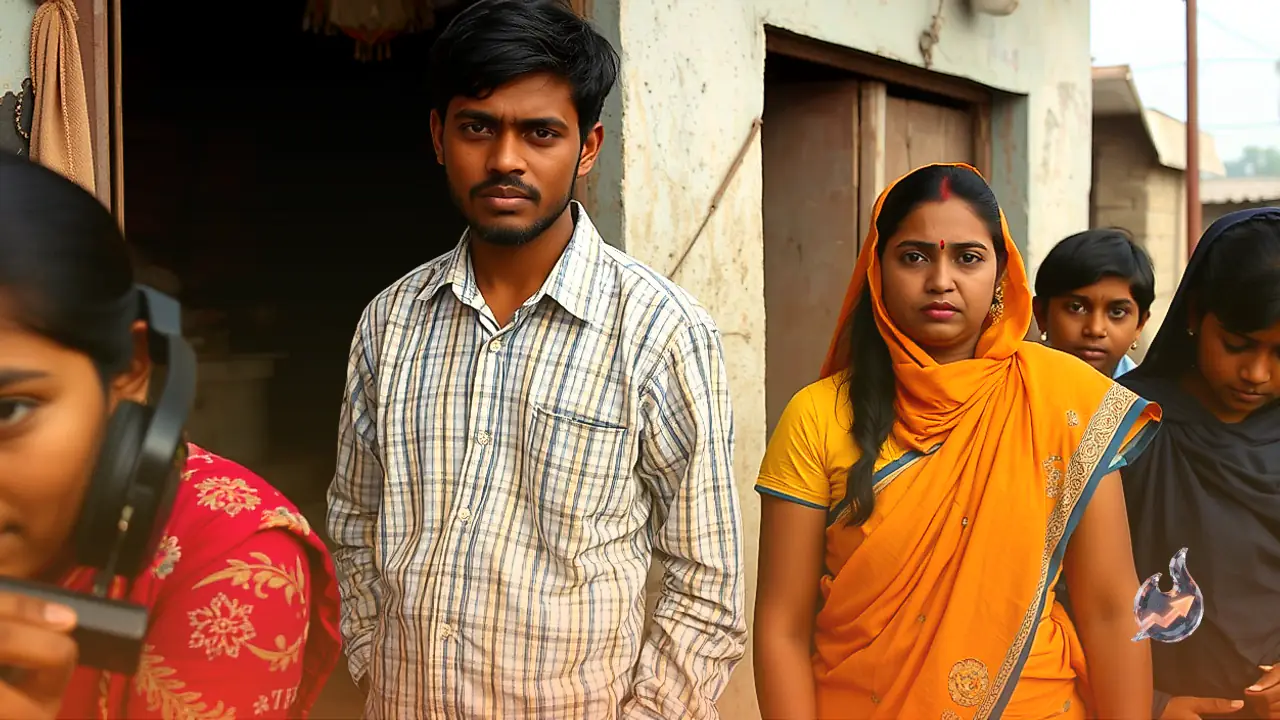
Simultaneously in Mumbai, the historic grounds of Shivaji Park transformed into a major epicenter of civic resistance despite authorities formally denying permission for the gathering. Responding to a call by the Cockroach Janata Party (CJP), crowds staged a pre-announced civil disobedience agitation demanding the immediate resignation of Chief Election Commissioner Gyanesh Kumar. The turnout featured an unusual composition, drawing ordinary families, working professionals, and children carrying national flags alongside political cadre. Participants who traveled from surrounding districts like Pune emphasized that preserving the sanctity of their ballot transcends partisan rivalries, framing the movement as a collective defense of citizen rights.
Accountability of Constitutional Institutions Under Scrutiny
The coordinated demonstrations in both capital cities have reopened a critical dialogue regarding the responsiveness of premier regulatory bodies. Organizers and political dissidents stressed that suspicions surrounding the voter registry and the SIR framework require exhaustive institutional openness rather than administrative crackdowns. In a robust constitutional republic, the authority of any public office rests entirely on popular credibility, making transparent public dialogue far more essential than police barricades whenever systemic doubts arise.