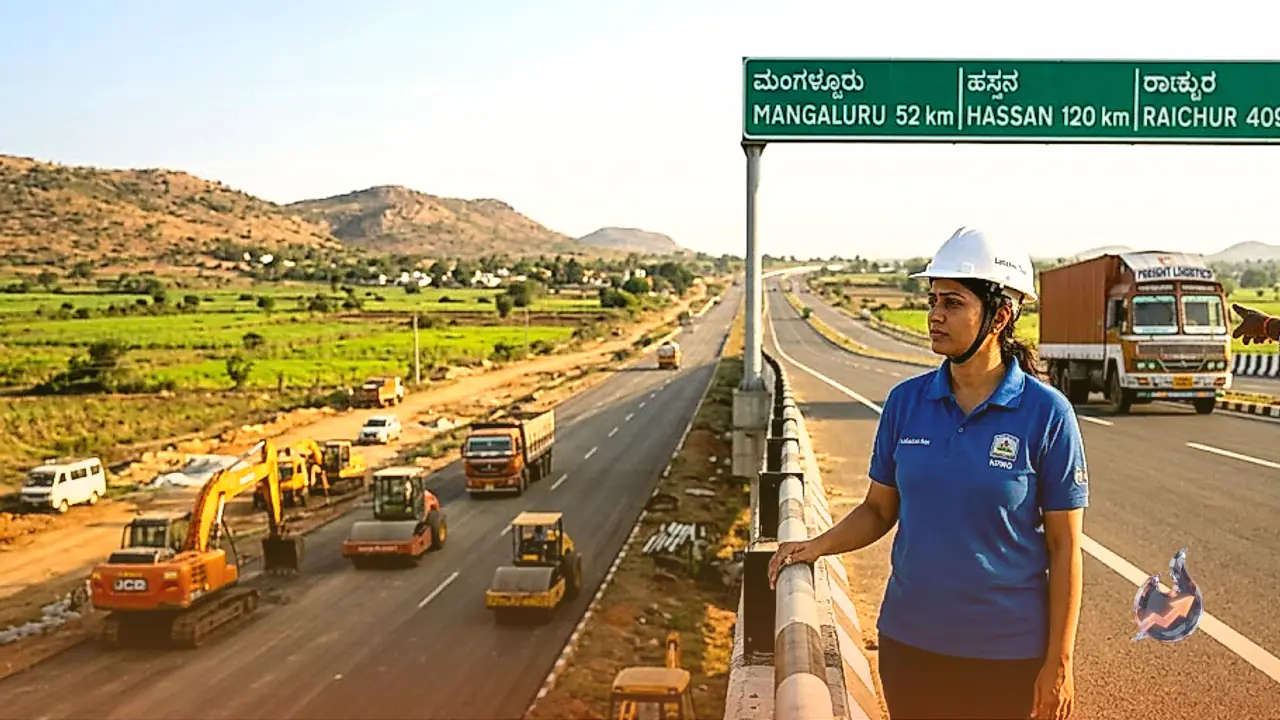



















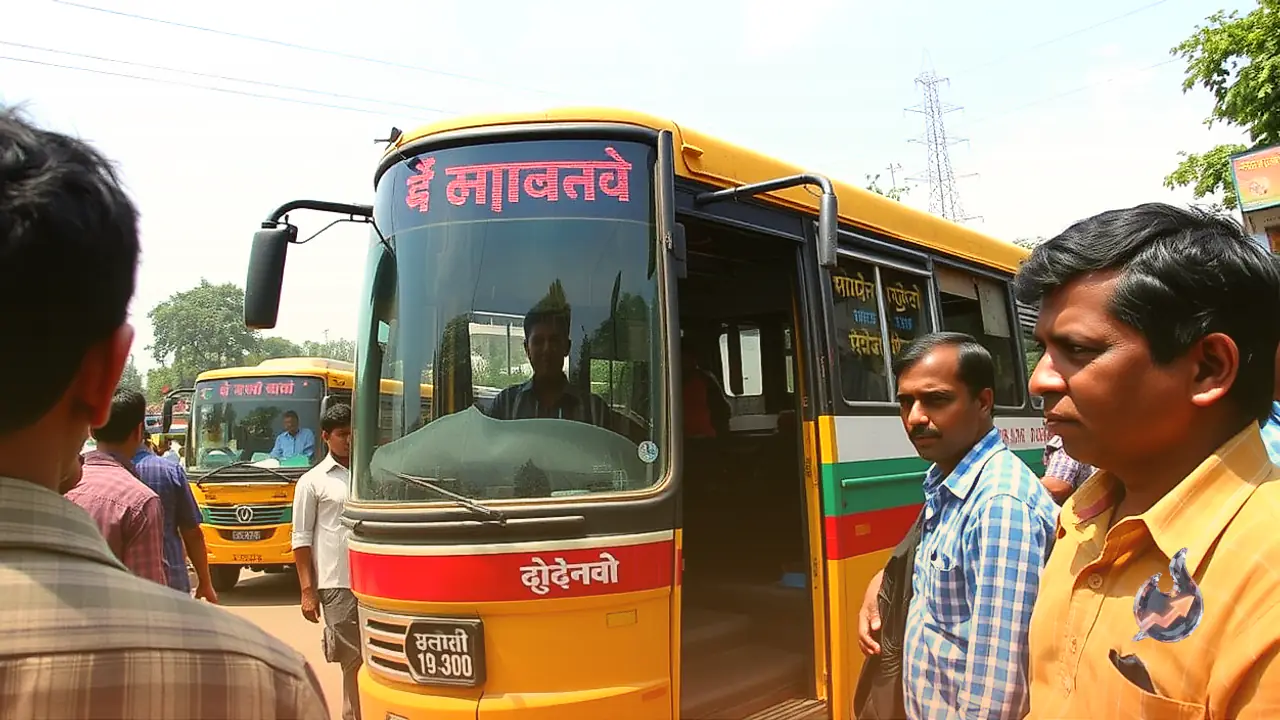

Commuters relying on state-run bus networks across Karnataka may soon face an increase in their daily travel expenses as public transport operators struggle under severe financial distress. Cumulative liabilities across the state's four road transport entities have surged past ₹8,095 crore, leaving daily operations financially vulnerable. In response to the liquidity crunch, state authorities are preparing to revise bus fares. A specialized panel headed by retired officer Atul Tiwari is presently scrutinizing the financial books, operational parameters, and structural expenditure of these entities. Once the committee formally delivers its findings and counsel to the government, the proposals will be placed before the state cabinet for executive sanction. A green light from the cabinet will directly translate into costlier tickets for millions of ordinary bus passengers throughout the state.
Fiscal Shortfalls Under the Shakti Travel Initiative
Highlighting the depth of the fiscal crisis, Transport Minister Byrathi Suresh noted that the corporations are finding it difficult even to meet routine daily expenditure. A primary element impacting the bottom line has been the state's flagship social assistance program, the Shakti scheme. Designed to support resident women of Karnataka, the policy enables them to travel without paying any ticket fares aboard ordinary state buses. Since its rollout on June 11, 2023, the four public carriers have incurred ₹22,230 crore in operating free transit under this welfare commitment.
However, state treasury disbursements have significantly lagged behind operational costs. To date, the state administration has released only ₹15,305 crore to the transport entities, leaving a substantial reimbursement backlog of ₹5,648 crore. This wide funding gap has crippled the routine cash flow of the corporations, sparking persistent difficulties in disbursing employee salaries on time and settling maintenance and vendor invoices.
Mounting Liabilities Across the Four Public Bus Operators
Karnataka's state passenger transport operations are divided among four independent entities: KSRTC, BMTC, NWKRTC, and KKRTC. Together, these four corporations are carrying an accumulated debt burden that now stands at ₹8,095 crore. Unsettled fleet maintenance bills alongside consistently rising diesel costs have severely distorted their balance sheets.
Transport Minister Byrathi Suresh has placed the blame for this financial strain on the central government, pointing out that continuous fuel price increases have inflicted heavy cost burdens on public transport networks. Meanwhile, corporate executives have voiced grave warnings that without an immediate release of overdue state reimbursements or an upward revision in ticketing fares, normal fleet operations could face severe disruption or even ground to a halt.
The Atul Tiwari Commission and Expected Fare Revisions
To establish a roadmap out of the crisis, the administration constituted a high-level committee chaired by retired bureaucrat Atul Tiwari. The committee is conducting a comprehensive evaluation of operational losses, overhead costs, and fiscal viability across all four transport bodies. Its final report, anticipated shortly, will delineate recommendations regarding acceptable fare revision percentages and necessary administrative reforms. Upon submission, the cabinet headed by the Chief Minister will assess the quantum of fare hike to be imposed on the traveling public.
This would not mark the first fare adjustment in recent times. In January 2025, the state sanctioned a fare hike of up to 15 percent across all four transport entities, citing escalated fuel prices and growing payroll expenses. Prior to that, in 2020, ticket prices were raised by 12 percent, though BMTC was excluded from that particular round of increases.
Smart Card Rollout and Capital Outlay on Electric Fleets
While the transport corporations remain burdened by historical liabilities, upcoming commitments are poised to generate additional capital pressures. Under the Shakti program framework, the state intends to distribute free smart cards to approximately one crore eligible female passengers. The opening phase of this smart card issuance is estimated to cost ₹250 crore, of which the state will fund ₹150 crore, leaving the remaining ₹100 crore to be absorbed directly by the four transport corporations.
In parallel, the administration is securing a loan of ₹2,000 crore from the central government to build new bus depots and upgrade outdated terminal facilities. Furthermore, in Bengaluru, BMTC is expanding its urban fleet by inducting 4,500 new electric buses through the PM E-Drive program. Servicing this project will demand roughly ₹600 crore annually, taking the aggregate capital commitment to around ₹12,000 crore across an operational span of 20 years.
Economic Implications for Daily Commuters
With costs climbing and public transport coffers depleted, daily bus commuters are confronted with the reality of an impending fare hike. Transport analysts observe that sustaining welfare mobility without interrupting fleet schedules leaves policymakers with few choices besides raising passenger fares. Any cabinet approval for higher ticket rates will immediately squeeze the monthly budgets of salaried workers, students, and regular travelers already dealing with inflation. The upcoming cabinet decision will determine whether the administration absorbs the corporate deficits through fiscal transfers or transfers the financial burden onto passengers.