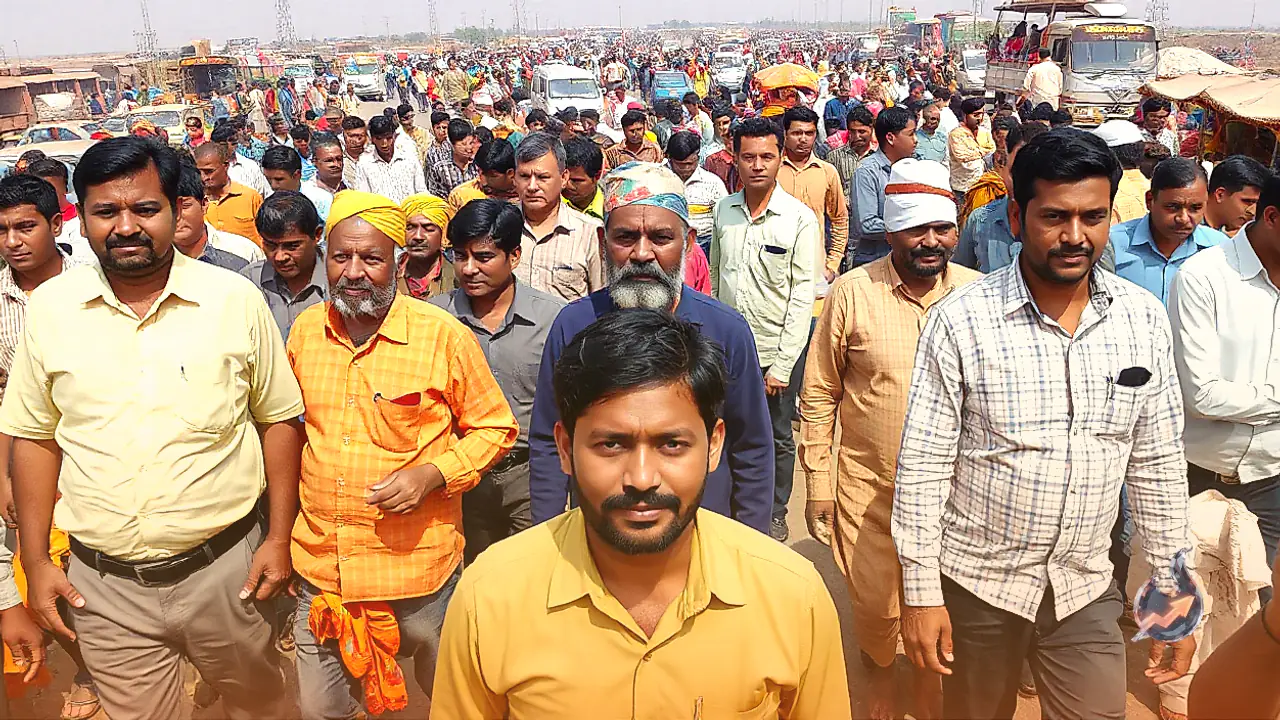
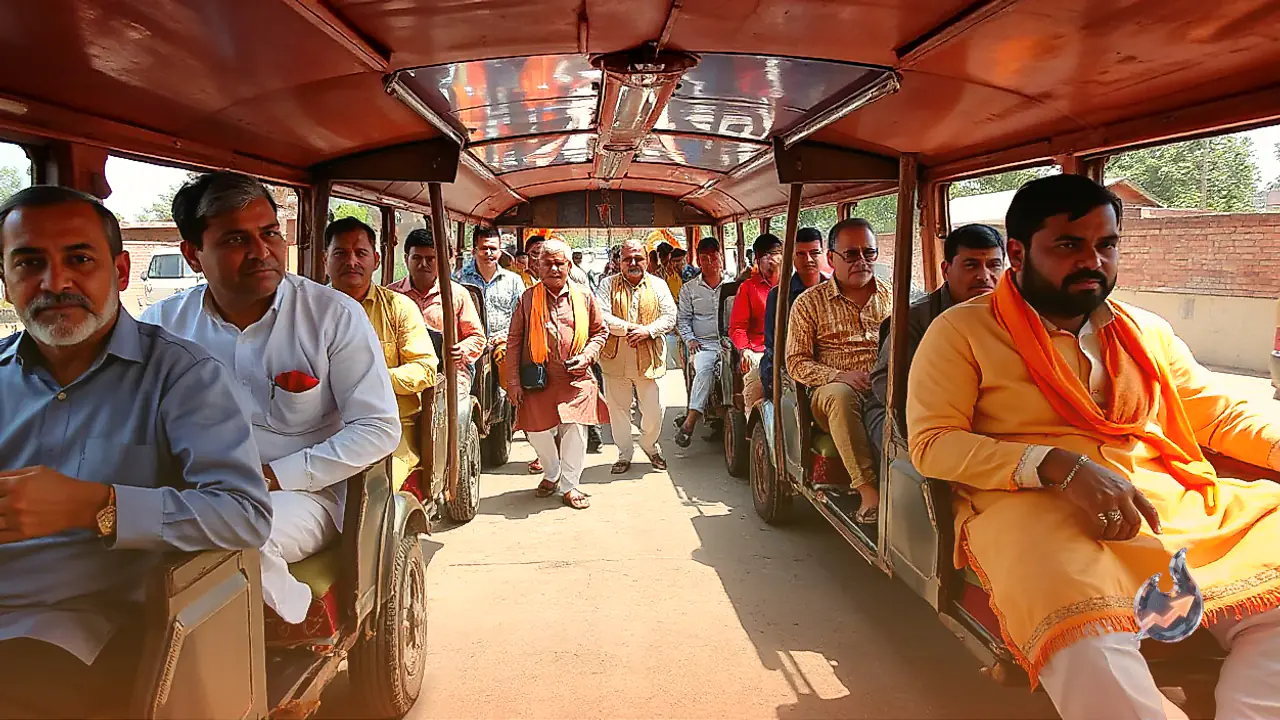


















Electoral activity in rural Rajasthan has reached a crucial juncture under the fourth phase of the 2026 Panchayati Raj general elections. Grassroots democracy is picking up pace across rural pockets of Jaipur district as local administration seats come up for renewal. Aspiring candidates for the posts of Panch and Sarpanch filed their formal nomination papers across four key Panchayat Samitis: Bassi, Tunga, Jamwa Ramgarh, and Andhi. The formal submission of papers has triggered intense political deliberations, tactical maneuvering, and doorstep outreach across rural neighborhoods.
The Timeline for Nominations, Polling, and Local Counting
In accordance with the announced election schedule, nomination papers for Panch and Sarpanch positions were accepted between 8 AM and 11 AM across designated administrative centers. Candidates, accompanied by supporters and village elders, completed documentation during this tight three-hour window. Registered rural voters across these jurisdictions will cast their ballots on November 16 between 7 AM and 6 PM to select their ward members and village heads. As soon as voting concludes, vote tallying will begin immediately at the respective Gram Panchayat headquarters. This swift count ensures same-day declaration of results for grassroots leaders. On the very next day, November 17, the newly elected ward members will vote to elect their Up-Sarpanch.
Over 71 Percent Turnout in Prior Member Elections
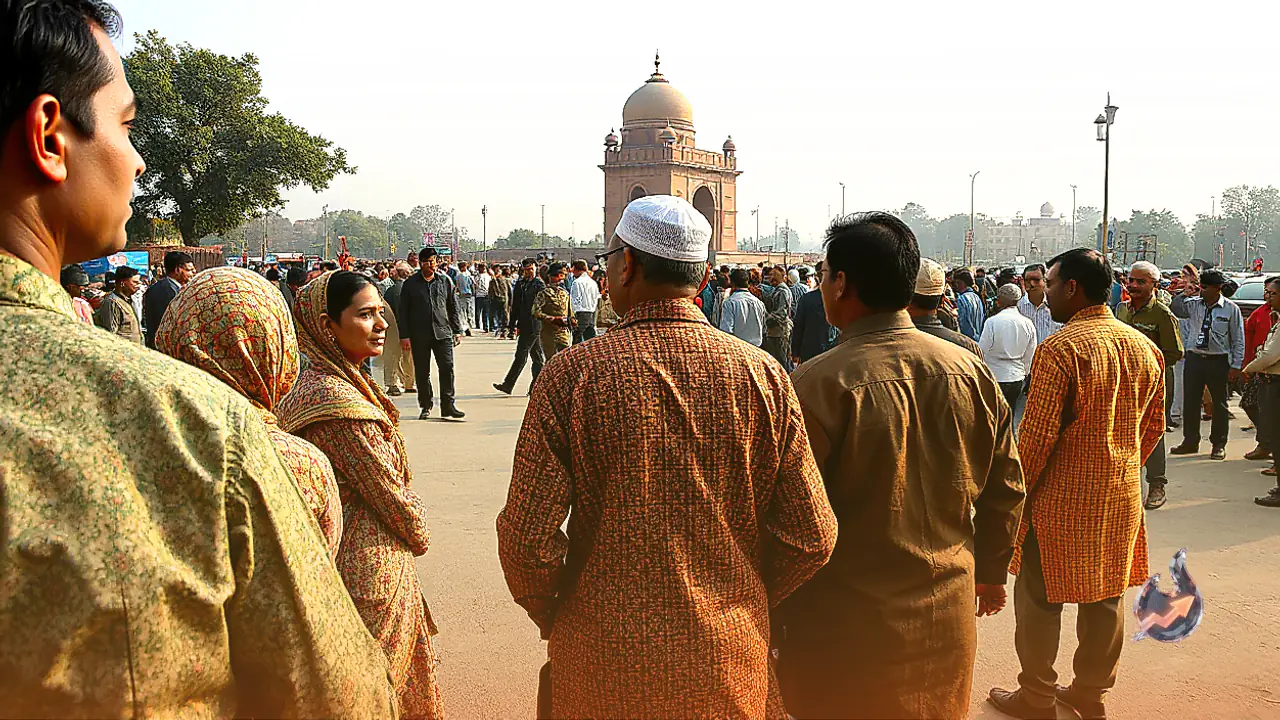
This phase of village-level nominations follows closely on the heels of polling for higher tiers of local governance. Jaipur district witnessed an impressive voter participation rate of 71.81 percent during Saturday polling for Zila Parishad and Panchayat Samiti member seats. That voting exercise spanned 82 Panchayat Samiti wards across four administrative blocks along with 13 Zila Parishad wards. Total voter enrollment for this phase stood at 4,07,280 individuals, out of which 2,92,452 voters turned out at polling stations to register their mandate.
Block-by-Block Analysis of Voter Participation
A granular look at voter participation reveals that Tunga recorded the highest engagement level among the four Panchayat Samitis. Tunga led the tally with a 72.77 percent turnout, where 46,729 out of 64,215 enrolled voters exercised their democratic franchise. Bassi secured the second position with an impressive 72.36 percent turnout, reflecting 93,462 votes cast from an electorate of 1,29,159 citizens.
Jamwa Ramgarh also displayed robust voter participation with 71.97 percent, translating to 88,444 ballots cast out of a total voter base of 1,22,890. Andhi Panchayat Samiti recorded the lowest participation among the four units, though it still clocked a healthy 70.12 percent. In Andhi, 63,817 voters from a total eligible pool of 91,016 went to polling booths to cast their ballots.
From a Slow Morning to Packed Evening Queues
Turnout progression throughout Saturday reflected a classic rural voting dynamic. Early morning hours saw relatively modest turnout at polling stations, followed by steady acceleration as the day progressed. By 10 AM, voter turnout was recorded at just 15.25 percent. The figure climbed to 34.56 percent by 1 PM as agricultural workers and families completed morning chores before heading to booths.
Momentum gathered sharply in the second half of the day, with turnout climbing to 51.28 percent by 3 PM. When polling stations officially ceased routine entry at 6 PM, turnout stood at 70.60 percent. Final compilation and inclusion of queues pushed the consolidated district tally to 71.81 percent.
Central Counting for Higher Tiers Slated for November 20
While local Gram Panchayat counting provides immediate results for village heads and ward members on November 16, the outcome for intermediate and apex local bodies requires patience. Ballots cast for Zila Parishad and Panchayat Samiti members across all election phases will be counted concurrently on November 20 starting at 8 AM. Until then, political parties and regional candidates must wait for definitive tallies, even as village attention pivots entirely toward forming immediate village-level leadership.