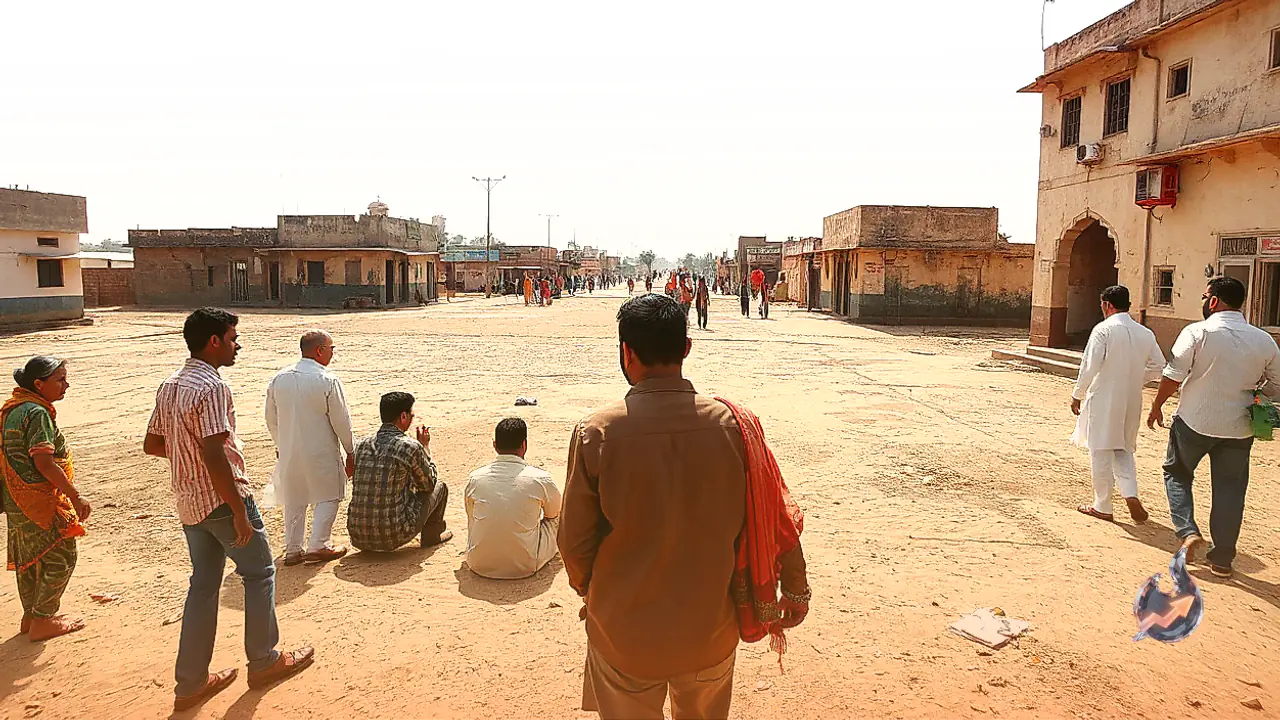
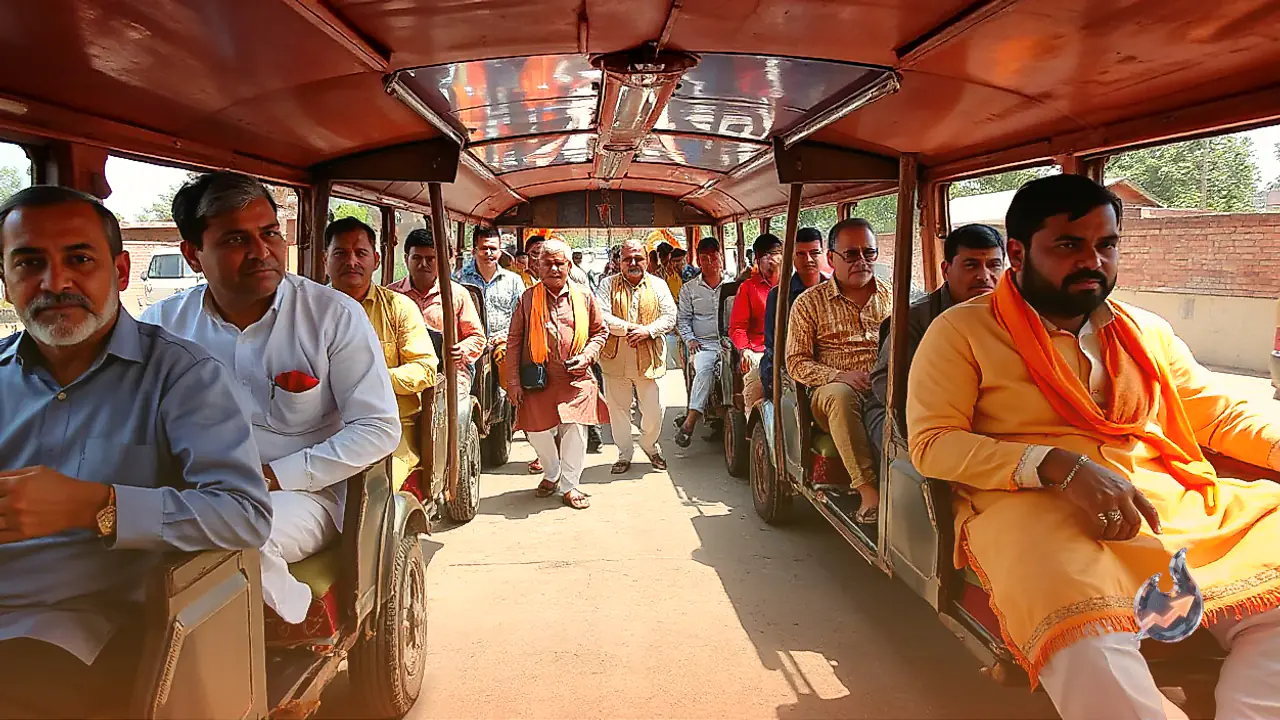

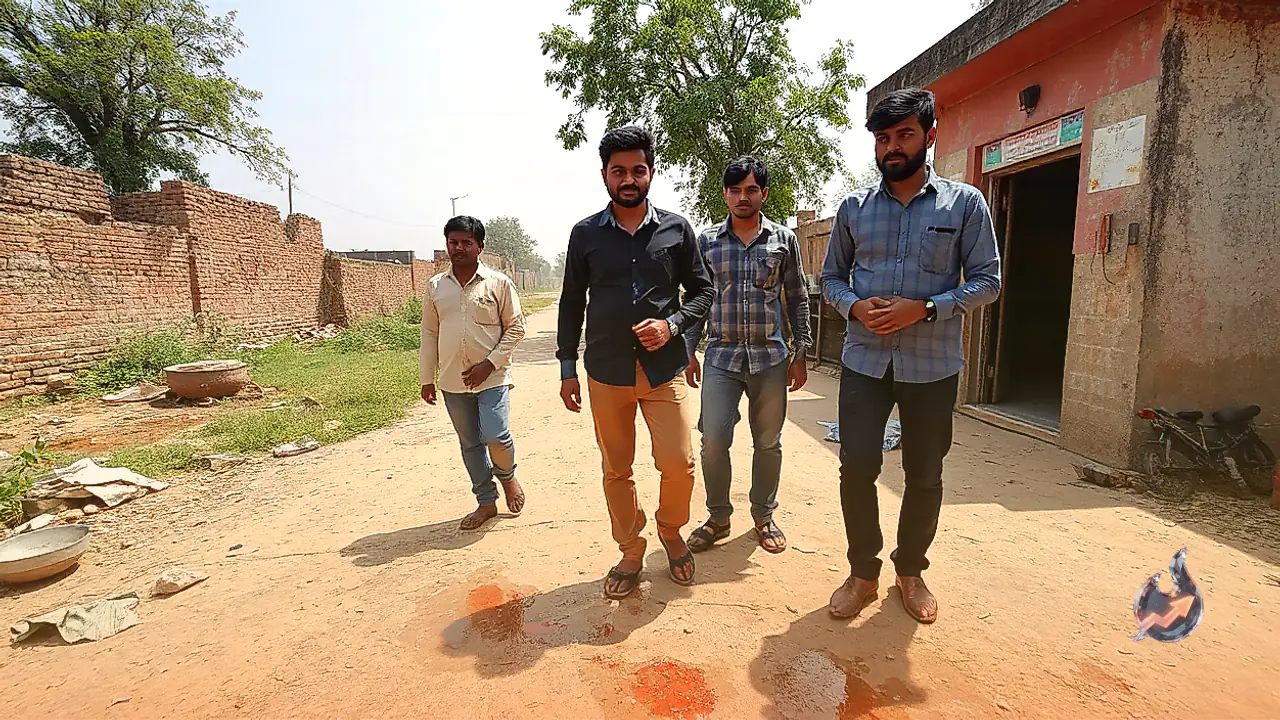
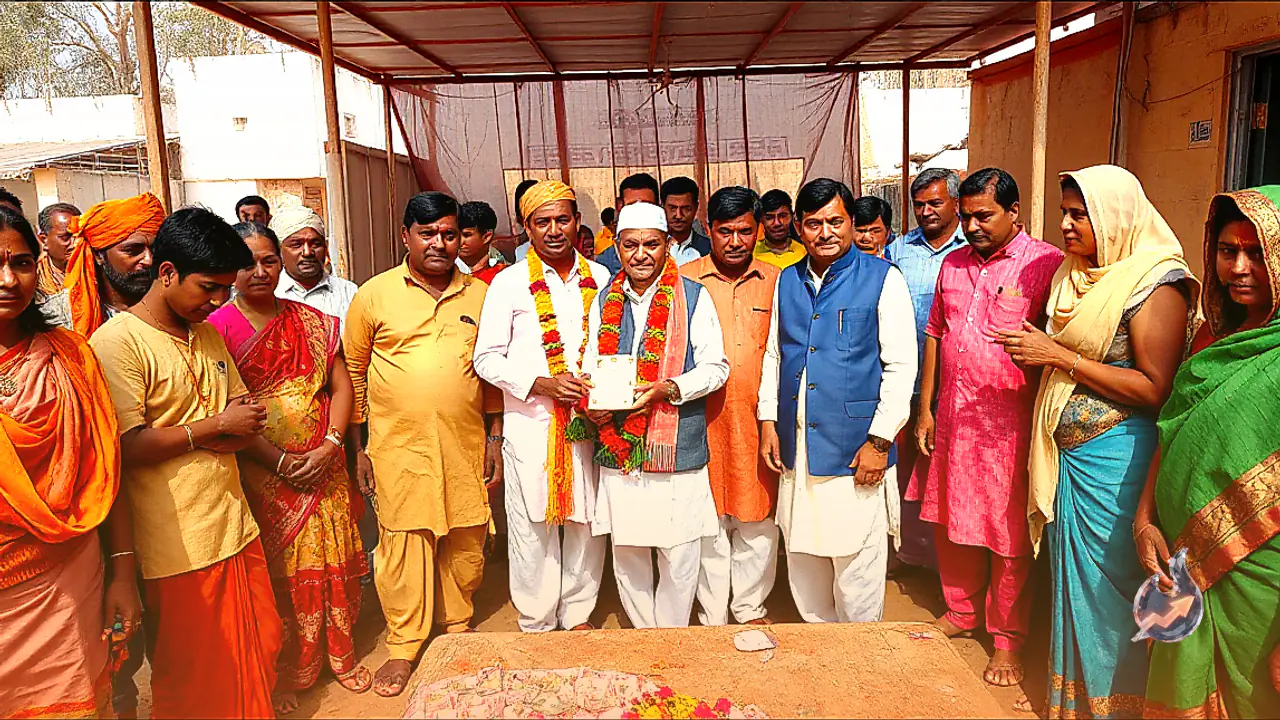














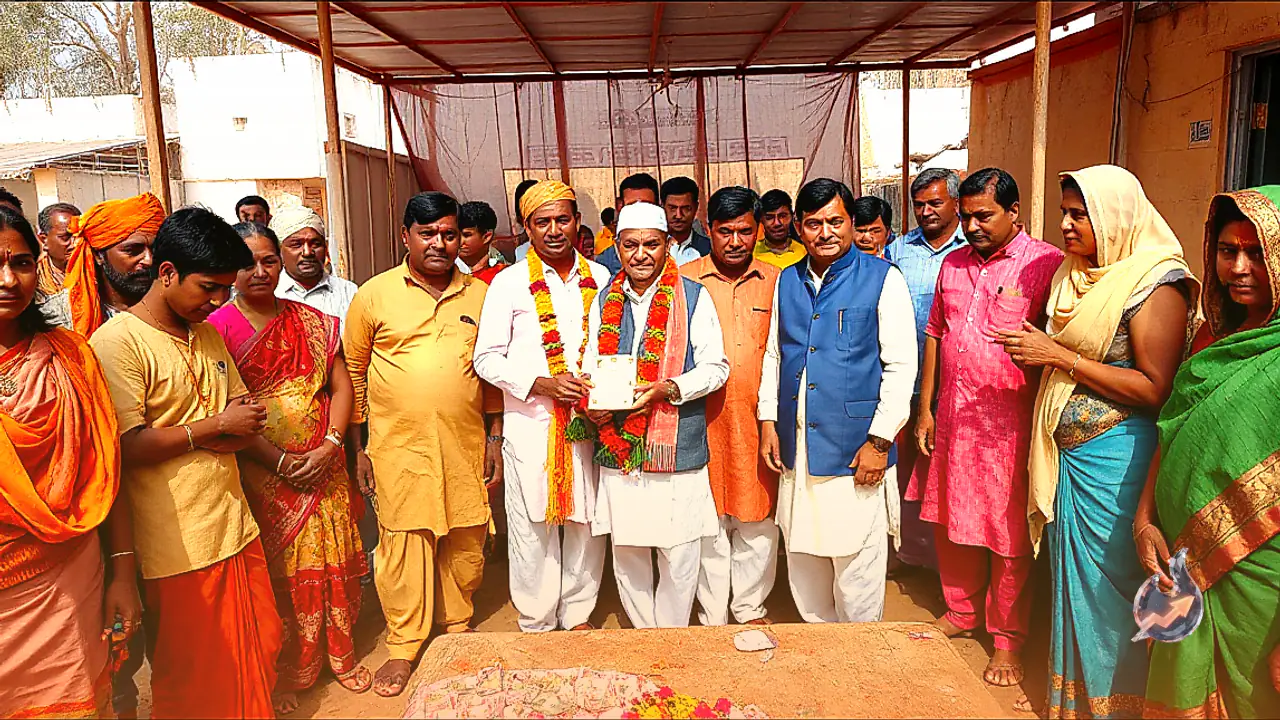

Panchayat polls across rural India often trigger deep-seated factionalism and bitter rivalries, yet a village in Rajasthan has demonstrated how collective brotherhood can rise above ballot outcomes. Residents of Kakadwala gram panchayat, situated within the Lunkaransar panchayat samiti of Bikaner district, chose to dissolve all election-related divisions once the contest wrapped up. Coming together under a shared roof, the community organized a grand civic reception to honor Anita, who contested for the post of sarpanch. Instead of standard floral tributes, villagers garlanded her with currency notes adding up to 37.52 lakh rupees, expressing unwavering faith in her family's social standing and service.
Community Synergy Gathers Substantial Financial Gesture
The felicitation gathering was organized to recognize Anita, the daughter-in-law of sarpanch contender Ramkumar Godara, underscoring that democratic contests should never sever grassroots community bonds. Demonstrating remarkable consensus, villagers from diverse backgrounds joined hands to pool a primary fund of 35.51 lakh rupees. Adding further warmth to the initiative, the family of local leader Kisan Poonia extended significant support by presenting a separate contribution worth 2.01 lakh rupees. Combined together, the overall fund reached 37.52 lakh rupees, presented to the candidate in an elaborate ceremonial garland that swiftly became the talking point of the entire administrative block.
Broad Community Representation Signals Lasting Harmony
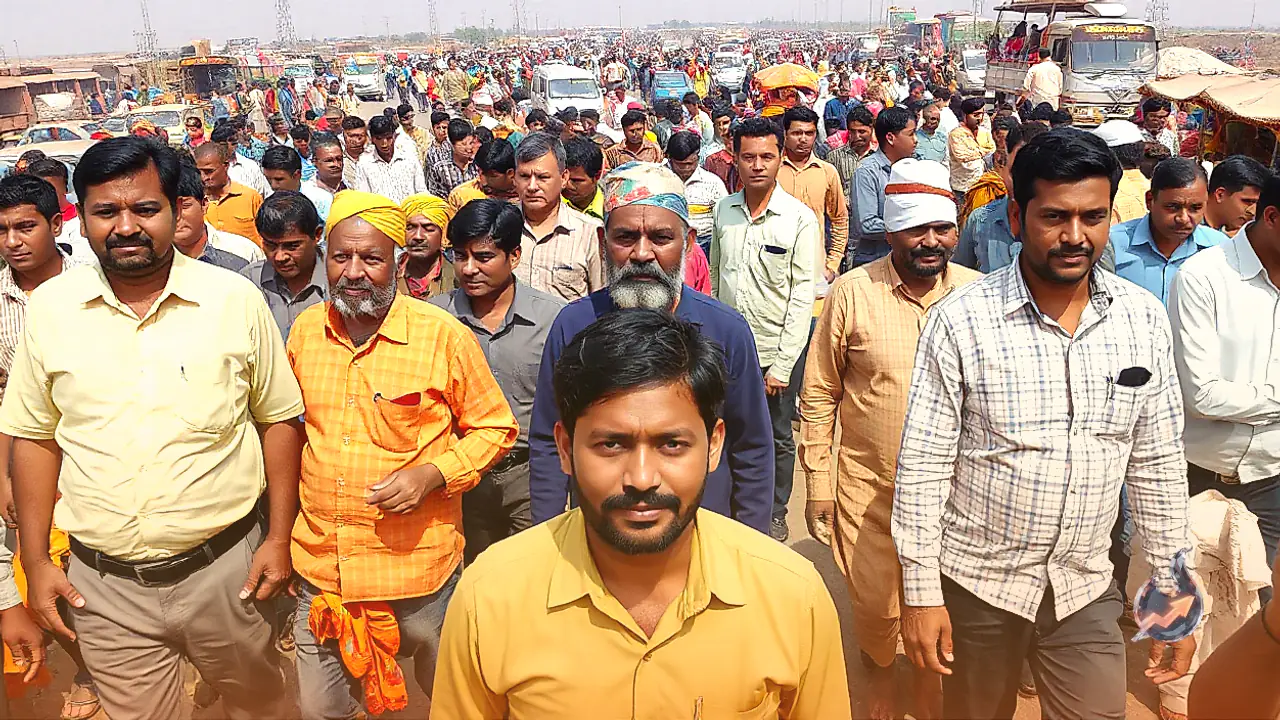
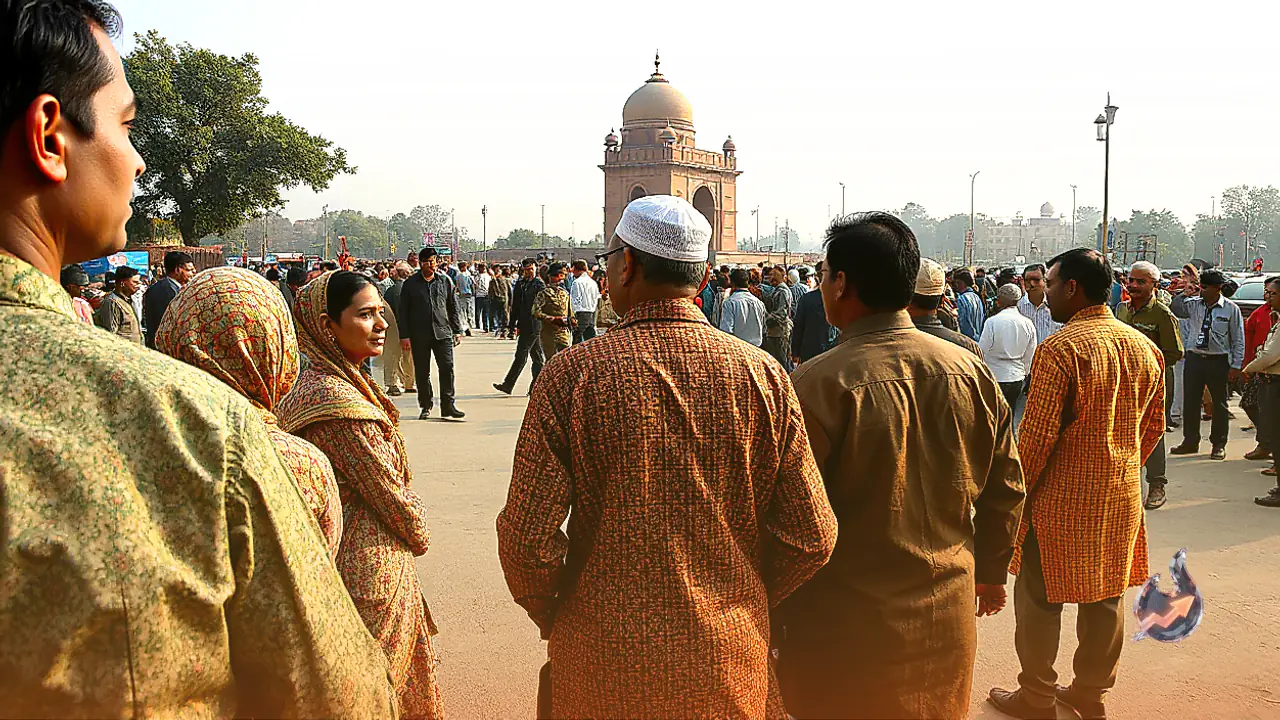
A striking highlight of the assembly was the extensive presence of respected community elders and representatives from varied demographic segments, reflecting unified social solidarity. Among the notable participants were Chaudhari Manphool Godara, former sarpanch Bhoor Singh Bika, Thakur Inder Singh Bika, Banwari Godara, Bhanwar Joshi, Bhanwardas Swami, Shesakaran Godara, Hansraj Godara, Jagdish Godara, Ramchandra Meghwal, Devigar Goswami, and Jagdish Charan, alongside hundreds of local residents. Attendees affirmed that while electoral competitions are periodic events, the collective welfare of the village depends entirely on uninterrupted amity and shared responsibility.
A Refreshing Precedent for Grassroots Democracy
Post-poll bitterness frequently fractures rural neighborhoods for years, creating lingering hostility that disrupts grassroots administration and community projects. The conscious effort by Kakadwala residents offers a contrasting model, proving that genuine respect and human connection need not depend on winning an official seat. By rallying behind an unsuccessful contender with generous collective backing, the community not only reaffirmed their emotional ties but also demonstrated that healthy democracy thrives when mutual respect outlasts political campaigns.