


















India's ongoing highway expansion is steadily integrating regional industrial belts with major domestic commercial hubs, transforming the economics of freight and transit. At the heart of this infrastructure push is the planned 434-kilometer EC-22 economic corridor, designed to link crucial trade districts across Maharashtra, Karnataka, and Andhra Pradesh. Starting from the industrial city of Solapur in Maharashtra, the route passes through the mining heartland of Ballari in Karnataka before culminating at Gooty in Andhra Pradesh. Each of these three transit nodes anchors a distinct sector of the regional economy: Solapur is widely recognized for its textile manufacturing, Ballari serves as a core supplier of iron ore and minerals, and Gooty occupies a vital crossroad position within South India's broader transportation network. Consequently, the highway project represents far more than an effort to shorten travel distances; it serves as a critical commercial bridge connecting raw material sources directly with industrial processors and end-user markets.
Bharatmala Pariyojana Focuses on Streamlining Heavy Industrial Freight
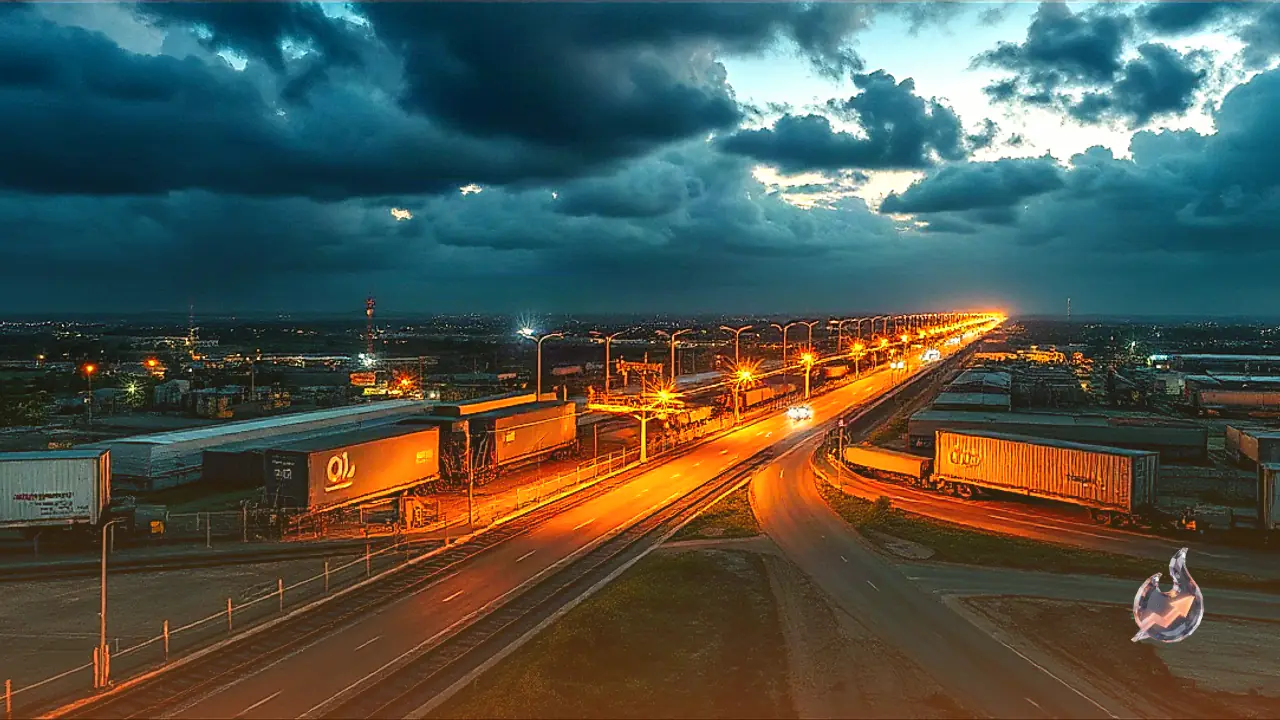
Formulated as part of the broader Bharatmala Pariyojana initiative, the EC-22 corridor places structural emphasis on high-tonnage cargo transit alongside conventional passenger traffic. Traditional routes often struggle under the weight of commercial trailers, creating transit bottlenecks that drive up fuel consumption and lead times. By modernizing and expanding segments of existing national highways while constructing targeted bypasses and newly aligned greenfield sections, the corridor aims to cut logistics expenses substantially. Quicker turnaround times for heavy commercial fleets will lower the total landed cost of goods across all three states, while seamless integration with the wider South Indian expressway grid will significantly improve freight reliability for domestic manufacturers.
Fresh Momentum for Solapur's Textile and Manufacturing Base
Solapur has long functioned as a primary center for powerloom textiles, terry towels, bedsheets, and diversified manufacturing in western India. A persistent challenge facing local producers has been the friction involved in hauling finished consignments southwards toward commercial hubs in Karnataka, Andhra Pradesh, and Tamil Nadu. The development of EC-22 promises to establish a dependable, high-capacity arterial road that speeds up the delivery of finished textiles to regional distribution centers. Simultaneously, factories based around Solapur can source industrial components, chemical inputs, and raw inventory from southern trade centers with much greater predictability and lower overall freight tariffs.
Direct Market Evacuation for Ballari's Iron Ore and Mineral Reserves
Karnataka's Ballari district contains extensive iron ore deposits, making it a pivotal supply center for the country's metallurgical industries. Moving raw minerals, pellets, and crushed ore away from pitheads to blast furnaces, rolling mills, and processing facilities relies heavily on road-based logistics. Heavy-vehicle congestion on outdated corridors has historically created logistical friction and elevated maintenance costs. Under the EC-22 development plan, modernized highway lanes engineered specifically for heavy axle loads will ensure orderly, continuous mineral movements. Minimized transit delays will allow processing centers to operate with leaner inventory cycles while boosting the overall operational efficiency of Ballari's mining ecosystem.
Gooty as a Strategic Gateway to Southern Distribution Networks
Positioned at an intersection of prominent rail and road arteries in Andhra Pradesh, Gooty serves as a natural gateway for cargo flowing into deep South India. Traffic arriving from Solapur and Ballari can easily diverge at Gooty toward Tier-1 consumption metros such as Bengaluru, Hyderabad, and Chennai. This junction point solidifies a continuous trade conduit between western manufacturing centers and southern retail bases. In addition to heavy minerals and finished fabric, regional agricultural produce, processed food shipments, and heavy machinery will be able to move rapidly across state lines without the common delays associated with navigating congested rural corridors.
Expansion of Warehousing, Logistics Hubs, and Local Employment
The economic footprint of an express freight corridor inevitably spills far beyond its immediate paved lanes. Real estate along the 434-kilometer stretch is expected to see growing interest for the setup of modern logistics parks, regional supply warehouses, and temperature-controlled storage facilities. Beyond the initial civil construction phase that generates employment for machinery operators, engineers, and laborers, the long-term operational phase will spur ongoing service-sector activity. Ancillary businesses such as fleet maintenance yards, commercial fueling stations, rest stops, and localized transport agencies will create sustained job opportunities for towns and villages situated along the alignment.
Navigating Land Acquisition and Environmental Clearance Work
Executing an infrastructure project that spans three state jurisdictions entails complex multi-tiered administrative coordination. While certain highway stretches are already being widened, other segments remain in the planning and survey phases, where land acquisition, revenue settlement, and compensation disbursals must be finalized. Securing statutory environmental clearances and forest permissions along environmentally fragile patches also dictates the development timeline. Because local land conditions, administrative clearances, and roadway specifications differ across Maharashtra, Karnataka, and Andhra Pradesh, project execution is being advanced in distinct operational phases rather than as a single simultaneous rollout.
A Strategic Bridge Between Western and Southern Industrial Belts
The EC-22 highway corridor must be viewed within the larger framework of national logistics modernization rather than merely as a 434-kilometer stretch of highway. By uniting mineral extraction zones, manufacturing districts, and major distribution junctions, the route acts as an economic spine that links western India's industrial backbone with the southern marketplace. As phase-wise construction moves toward completion, the corridor is positioned to compress supply chain timelines, curb domestic freight costs, and enhance the competitiveness of interstate commerce across all three participating states.