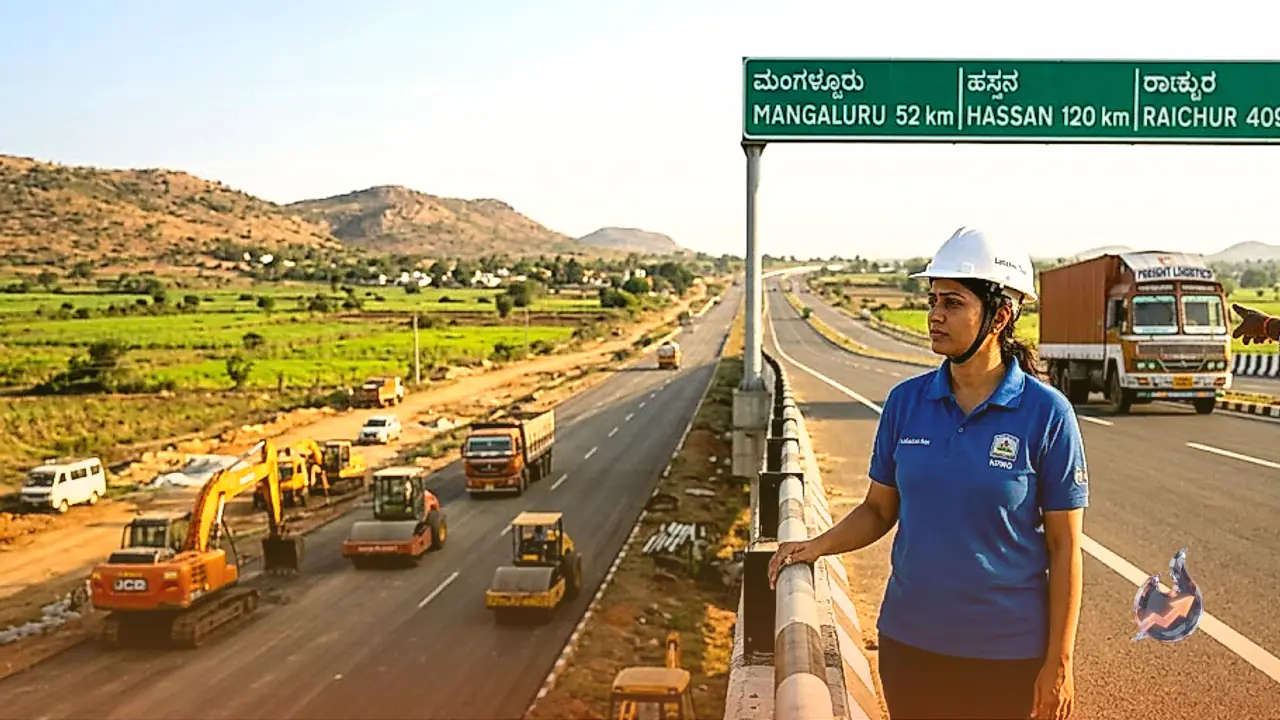



















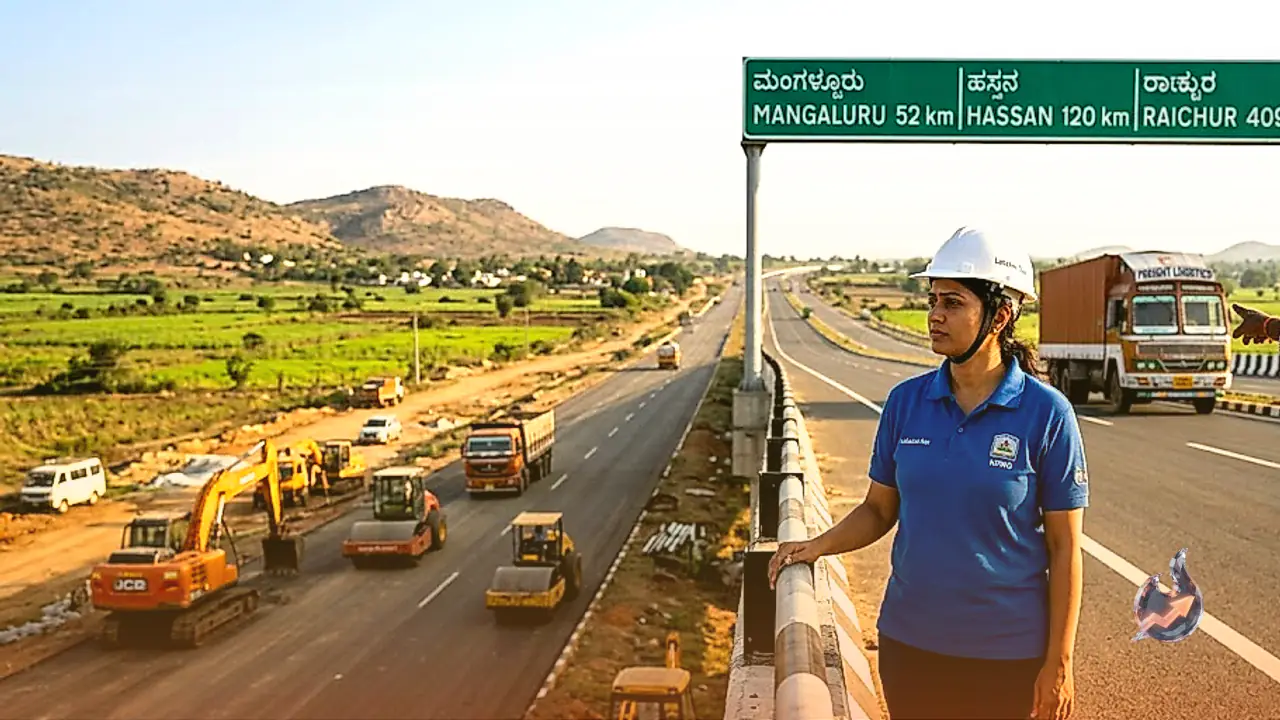

A transformative infrastructure initiative is taking shape across Karnataka to bridge the geographic and economic divide between its western coastline and the state interior. The C-20 economic corridor, spanning approximately 461 kilometers, is designed to link the strategic maritime hub of Mangaluru directly with the agrarian and industrial district of Raichur. Moving freight from coastal ports to inland consumption centers currently incurs significant travel time, prolonged detours, and heavy fuel expenditure. By delivering a modern, high-capacity highway, this corridor aims to streamline truck movement, drastically reduce transit delays, and cut logistics expenses, serving as a pivotal regional component under the nationwide Bharatmala framework for economic corridors.
Bridging Coastal Maritime Trade With Inland Production
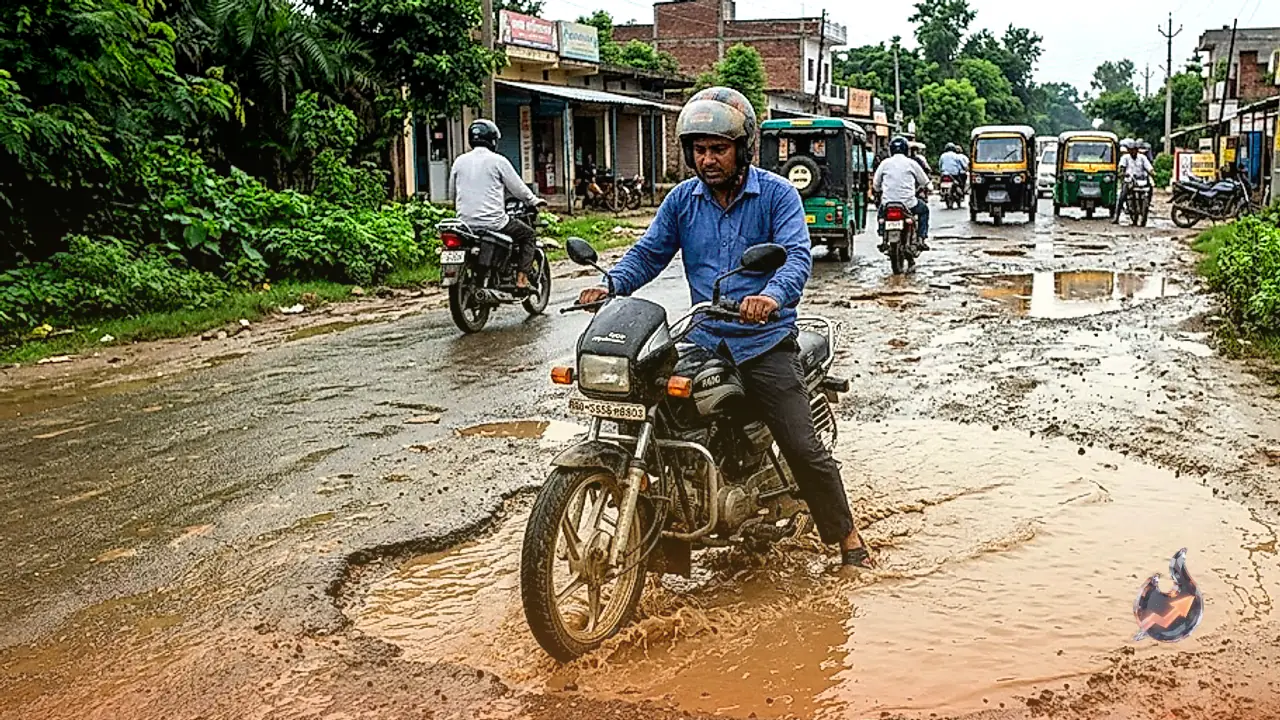
Mangaluru holds a distinguished economic profile anchored by New Mangaluru Port, the primary maritime gateway of Karnataka that manages vast shipments ranging from iron ore and petroleum products to containerized commercial goods. Conversely, Raichur represents a vital interior hub driven by intensive agriculture, especially substantial paddy production, alongside mining and thermal energy operations. Until now, the logistical connection between these distinct economies has suffered from fragmented road quality and indirect routes. The C-20 corridor is conceptualized precisely to eliminate these bottlenecks, facilitating fluid supply chain movement between major production centers, deep-water terminals, and widespread consumer markets.
Combining Existing Highway Upgrades With New Alignments
The execution blueprint for C-20 entails an integrated civil engineering strategy combining brownfield upgrades with selected greenfield alignments. Rather than cutting an entirely isolated road across the landscape, substantial sections will involve widening and modernizing existing national and state highways. Detailed alignments associate this path closely with the Hassan to Raichur transit line, creating critical logistical touchpoints through Huliyar, Hiriyur, and the mineral-rich territory of Ballari. Blending upgraded roadbeds with bypasses will eliminate urban congestion points, ensuring that commercial transport between coastal Karnataka and interior administrative zones flows seamlessly without unnecessary interruptions.
Accelerating Cargo Transit From Quayside to Inland Markets
Freight transportation stands out as the primary sector poised for immediate operational gains from the project. Commercial carriers moving cargo from maritime berths into the state hinterland regularly confront elevated fuel costs and unpredictable travel schedules due to difficult topography and narrow corridors. Once modern highway conditions are established along C-20, heavy machinery, raw components, and container shipments landing at Mangaluru can reach Raichur and adjoining manufacturing clusters in significantly reduced timeframes. In return, agricultural surpluses and processed commodities from the interior can arrive at maritime docks swiftly, enhancing cost competitiveness for domestic distribution and overseas exports.
Direct Dividends for Farmers, Mineral Sectors, and Local Industry
Farming forms the structural backbone of Raichur and neighboring districts, where paddy fields generate immense volumes of produce requiring rapid transit to major consumption centers. Superior highway connectivity minimizes post-harvest handling delays, ensuring that agricultural output reaches wholesale markets and shipping docks with minimal spoilage. Concurrently, resource-intensive zones such as Ballari depend heavily on robust road networks to move extracted ores and finished metal goods. Lower transport costs per ton will immediately improve balance sheets for local industrial operators, laying the groundwork for emerging agro-processing zones and commercial clusters along the corridor.
Catalyzing Employment and Regional Logistics Infrastructure
The developmental footprint of the C-20 artery extends far beyond moving vehicular traffic. Extensive civil engineering activity during the construction phase will generate numerous employment opportunities for heavy machine operators, construction labor, and technical engineers. Once operational, the corridor is expected to spur private capital investment into supply chain assets, such as multi-modal logistics parks, specialized dry warehouses, and cold storage facilities. An influx of heavy commercial traffic will also stimulate roadside economies, fostering maintenance garages, fuel plazas, and hospitality units, ultimately narrowing the economic disparity between the developed coast and underdeveloped hinterlands.
Navigating Western Ghats Ecology and Land Acquisition
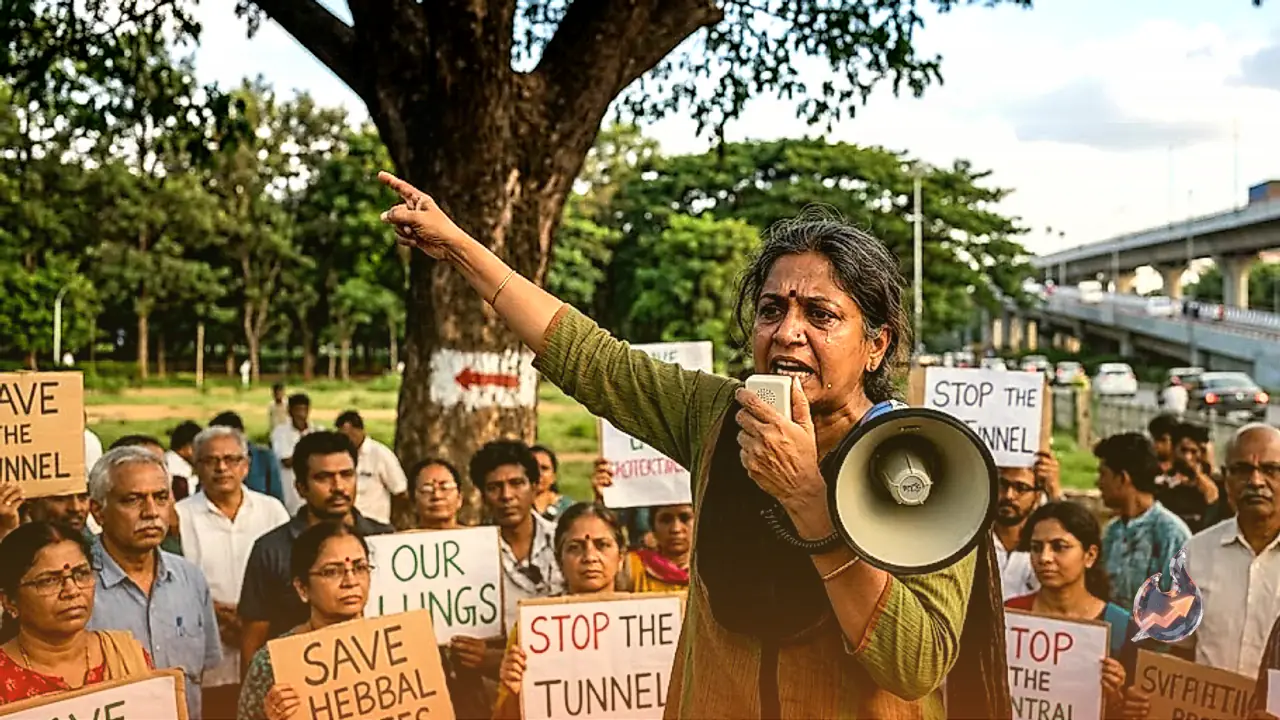
Delivering a massive linear highway across diverse topographies presents substantial procedural and environmental complexities. Large-scale land acquisition requires extensive public documentation, fair compensation procedures, and inter-departmental clearances that frequently progress at variable speeds. Moreover, traversing the immediate influence zone of the Western Ghats presents serious ecological considerations, as dense forest patches demand rigorous environmental impact assessments and wildlife passage safeguards. Consequently, detailed project reports and developmental tenders are structured across distinct phases, allowing well-cleared segments to progress steadily while environmentally sensitive sections undergo specialized review.
A Cornerstone for Karnataka Overall Logistics Network
The C-20 alignment does not function as an isolated roadway, but rather integrates into a wider grid of major highways and industrial corridors spanning Karnataka. Its strategic intersections with east-west routes linking Mangaluru and Bengaluru will establish an interconnected transit grid serving the entire state. Interior districts such as Raichur and Ballari will gain a direct conduit to maritime shipping channels, bypassing prolonged transit loops. By stitching together 461 kilometers of modern highway network, the corridor addresses systemic freight bottlenecks, transforming transport from a cumbersome operational barrier into a dynamic economic bridge for regional commerce.