






















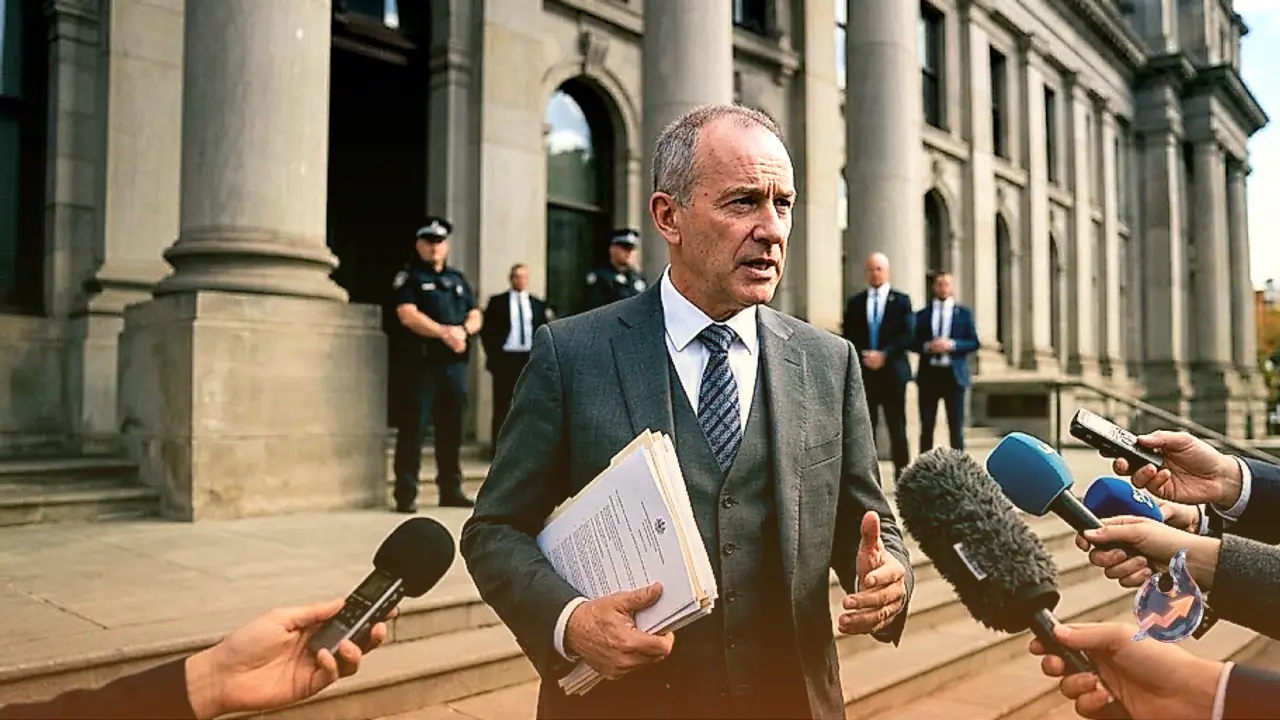

The contentious issue of paper leaks has moved from street protests directly into Parliament as the government introduces a powerful new anti-paper leak bill to curb examination malpractice. Union Minister Jitendra Singh tabled the legislation in the Lok Sabha following recent demonstrations at Jantar Mantar. The Modi government brought forward this robust bill to put an immediate stop to question paper leaks and systemic exam irregularities. Under the provisions of this proposed legislation, fast-track courts will be established in every state specifically to hear paper leak cases on a daily basis, ensuring that trials are completed and verdicts are pronounced within 90 days.
Government Urges Opposition to Prioritize Reforms
Union Parliamentary Affairs Minister Kiren Rijiju addressed the developments by emphasizing that attempts to politicize or derail the issue must stop. He appealed to the Congress and opposition parties to engage in constructive discussions regarding the reforms introduced by the government to safeguard children's futures. Rijiju stated that this is not the time for politics or excuses, and asserted that the bill aimed at protecting students will successfully pass as it remains a top priority for the administration.
Key Differences Between the Old Law and the New Amendment Bill
The newly proposed amendment bill introduces several stringent structural changes compared to the previous legal framework governing exam leaks.
- Prison Sentences: While the 2024 law previously provisioned prison terms ranging from 3 to 5 years, the new amendment bill increases this punishment to between 5 and 10 years.
- Fines: The financial penalty for paper leaks, which was previously capped at 10 lakh rupees under the 2024 law, has now been massively hiked to 10 crore rupees.
- Investigative Agency: Under the old framework, central investigative agencies handled paper leak cases, whereas the new amendment bill mandates the creation of a specialized Special Task Force for these investigations.
- Investigation Timeline: The 2024 law had no defined time limit for concluding paper leak probes, but the new amendment explicitly requires investigations to be wrapped up within 2 months.
- Court Trials: Previously, paper leak cases were tried in ordinary courts, but post-amendment trials will exclusively take place in fast-track courts.
- Verdict Delivery: While the 2024 law specified no timeline for delivering judgments in these cases, the amendment bill mandates that verdicts must be handed down within 3 months.
- High Court Appeals: The older legislation left the window for filing appeals in the High Court undefined, whereas the new bill permits appeals to be filed within 30 days.
- High Court Rulings: The previous framework set no deadlines for High Court rulings, but the amendment bill requires High Court decisions on these matters to be delivered within 3 months.
Prime Minister Engages With Youth and Forms High-Power Task Force
Prime Minister Narendra Modi has maintained continuous communication with the youth regarding the paper leak issue. He first released a video message on July 23 announcing plans for a new law to halt paper leaks, followed by a message on July 24 thanking GenZ for their support. On July 26, the Prime Minister announced the formation of a high-power task force in his third video address. He stated in his message that a 6-member committee headed by Nandan Nilekani will provide recommendations to the government on preventing leaks and introducing transparency into exams. Prime Minister Modi reiterated that culprits behind paper leaks will not be spared, noting that fast-track courts have already been established and examination systems are being made more transparent. This committee will advise the government on how technology can bring transparency to exam systems and strengthen public trust.
Leadership Transition in the Ministry of Education
Following the protests at Jantar Mantar, Dharmendra Prasad tendered his resignation, prompting Prime Minister Modi to assign the portfolio of the Ministry of Education to Pralhad Joshi. This leadership change occurs at a critical juncture when India's educational framework is undergoing major transformations. The government is actively engaged in implementing the National Education Policy 2020 and rolling out new school curricula. Authorities expect that Pralhad Joshi's experience will accelerate ongoing reforms across the education sector. Upon assuming his new responsibilities, Education Minister Pralhad Joshi stated that he will make every effort to fulfill the Prime Minister's expectations.
Summary of Actions Taken So Far
Taking stern action against examination malpractice, the government has dismissed 47 officials from the National Testing Agency. Criminal cases will also be registered against the dismissed officials. According to sources, this step was taken as part of a massive overhaul of the National Testing Agency, with further corrective actions expected soon. Prior to this, the government replaced two secretaries within the Ministry of Education. These actions accompany preparations to overhaul outsourcing arrangements and implement robust technological reforms to secure examinations completely. Meanwhile, the Delhi Police has established a Special Task Force to investigate irregularities across all prestigious national examinations, covering everything from the Union Public Service Commission to the National Testing Agency. Several primary accused individuals in the paper leak scandal have already been arrested and sent to jail.