





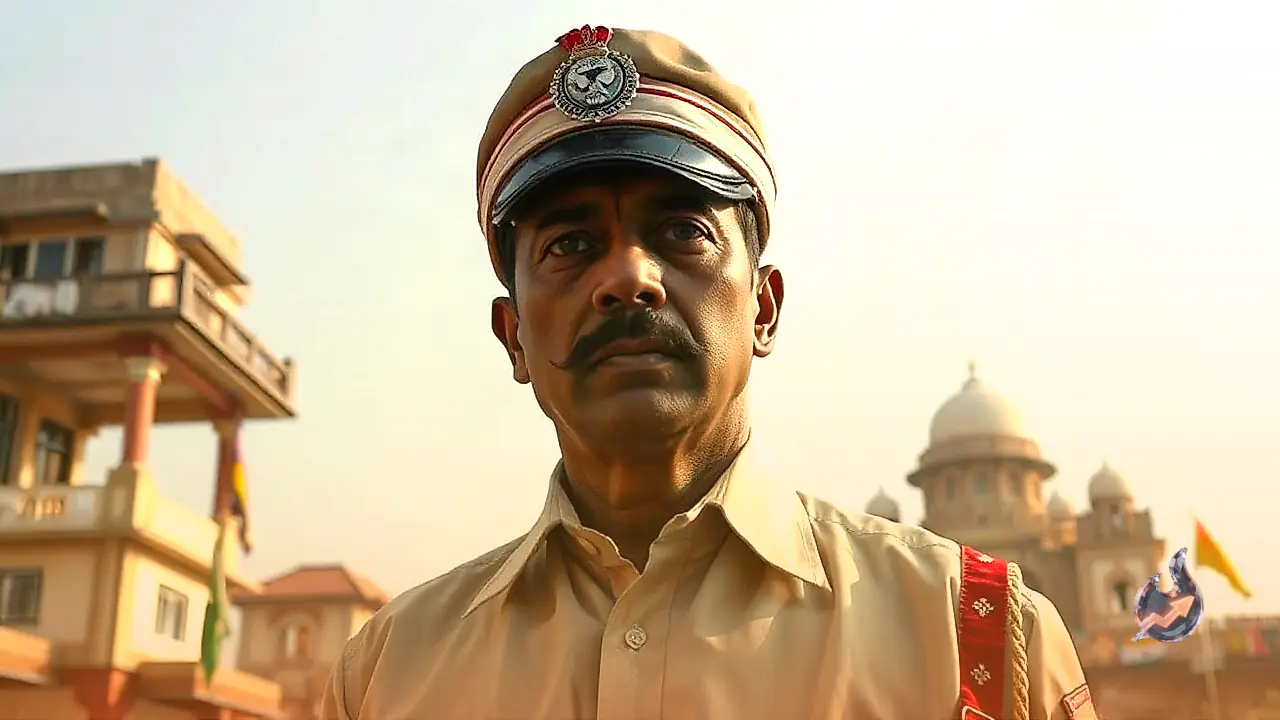















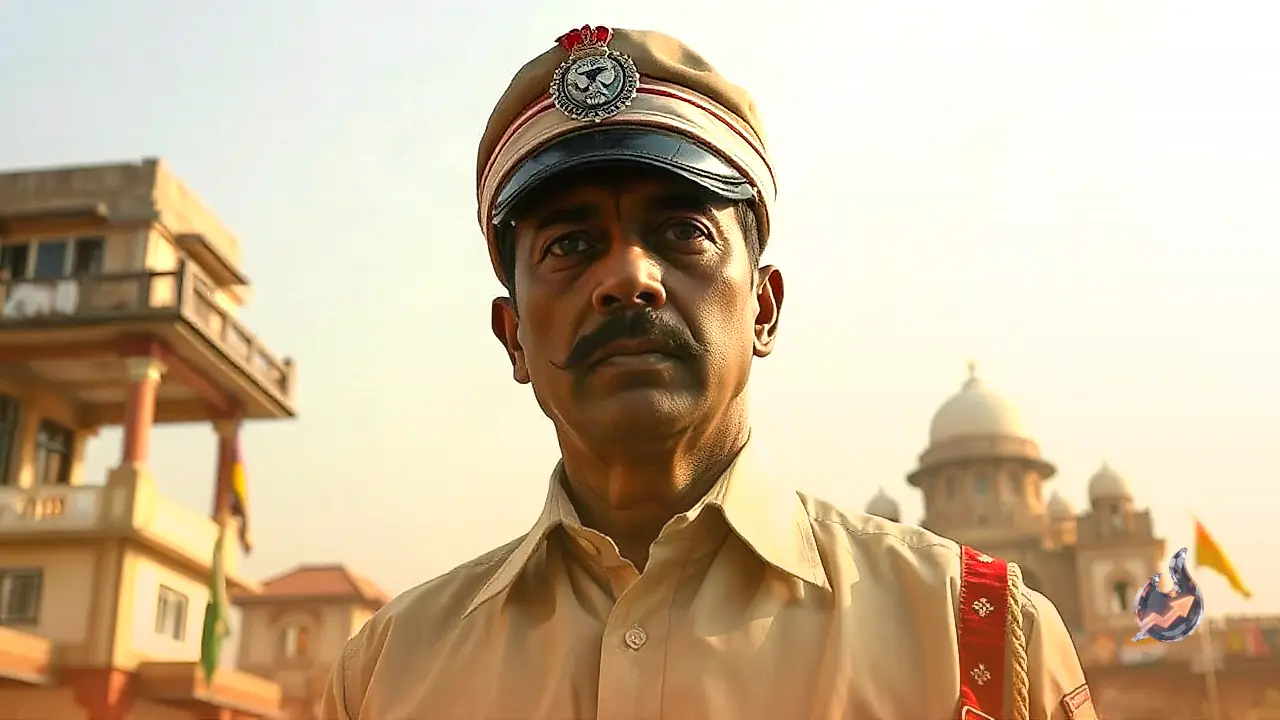

A remarkable administrative journey that began in a modest farming household in rural Rajasthan has reached a new height as Dr Bhagchand Badhal earned a promotion from the Rajasthan Administrative Service (RAS) to the Indian Administrative Service (IAS). Hailing from Badhal village in Jaipur Rural, his induction into the premier civil service cadre prompted widespread celebrations across his native village and neighbouring settlements, where residents celebrated the milestone as a collective regional honour rather than a solitary personal achievement.
Grounding in Rural Education and Early Life
The journey of Dr Badhal stands out because his academic trajectory did not originate in high-fee elite boarding academies or premier urban schools. Instead, he completed his foundational schooling in the local government education system while navigating the realities of a village farming household. Confronted with limited material resources, he relied on rigorous self-discipline, persistent study habits, and sheer dedication. Channeling those qualities into competitive examinations, he successfully earned a coveted appointment in the state civil services.
Extensive Administrative Roles Across Rajasthan
Throughout his tenure in public administration, Dr Bhagchand Badhal served across diverse assignments, managing both field administration and policy implementation. He previously served as an Officer on Special Duty (OSD) to the Chief Minister, handling key executive responsibilities. His institutional postings include tenures as Secretary of the State Staff Selection Board and Director of the Employee Insurance Department. Across various field assignments, he held charge as Sub-Divisional Officer, overseeing local governance, civic grievance resolution, and sub-divisional administrative affairs. He currently functions as the Additional Commissioner at the Jaipur Development Authority (JDA).
Mentorship and Community Support for Students
Having navigated the arduous competitive examination process firsthand, Dr Badhal dedicated time to mentoring civil services candidates from rural and economically constrained backgrounds. He authored a dedicated preparation guide titled 'Kaise Bante Hain RAS', designed to offer candidates strategic study plans, structural clarity, and actionable insights on clearing administrative selection hurdles. His initiative sought to bridge the information gap for aspirants who lack access to expensive private coaching networks.
Alongside his administrative and writing commitments, Dr Badhal maintained an active involvement in philanthropic student support. Local villagers highlight that he regularly assists underprivileged yet talented students pursuing higher education and competitive coaching in Jaipur. His assistance has included arranging housing facilities, covering tuition fees, and offering direct financial aid to ensure young learners are not forced to abandon their studies due to monetary hardship. For young people in rural areas aspiring to enter public governance despite minimal backing, his progression from a village classroom to the IAS cadre serves as an enduring roadmap.