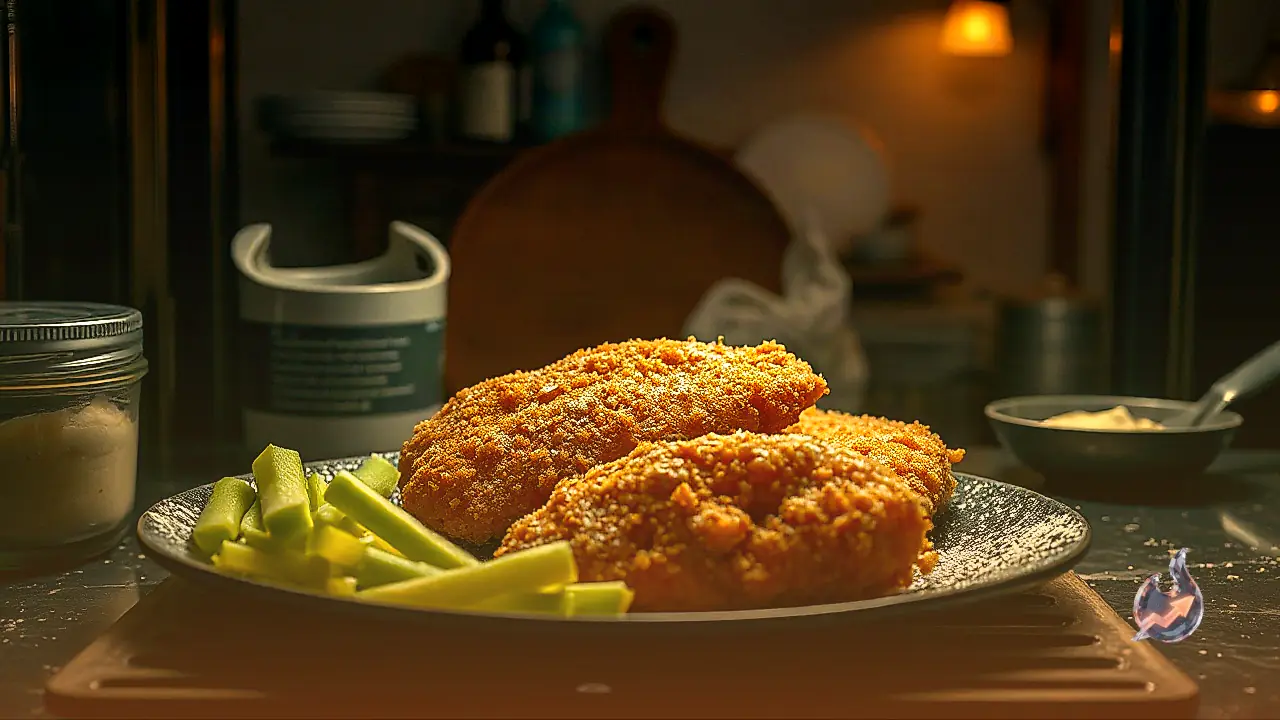



















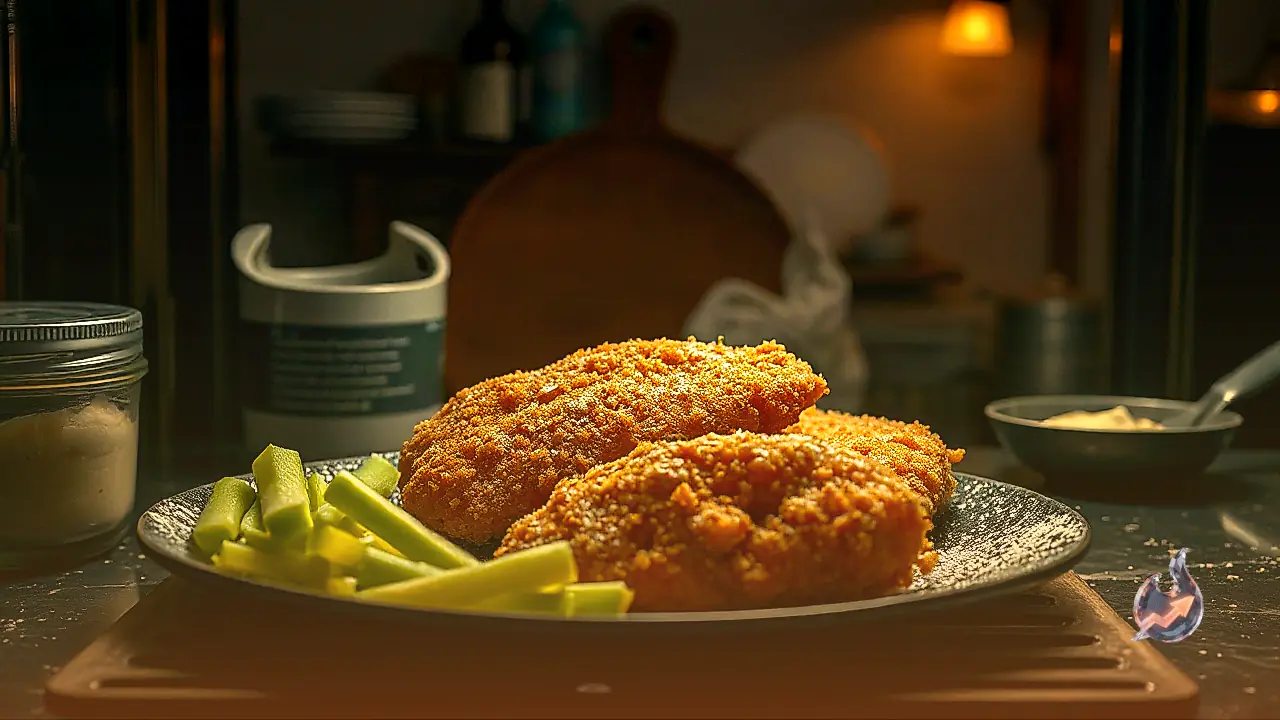

Traditional chicken schnitzel is celebrated across the globe for its irresistible combination of an ultra-crispy, golden outer crust and succulent, tender meat inside. However, standard preparation methods demand a skillet filled with bubbling oil, leading to messy stovetops, lingering grease odours, and continuous standing while frying cutlets one piece at a time. Attempts to bypass the frying pan by baking schnitzel in an ordinary oven frequently fall flat: thin cutlets quickly turn parched and tough before standard breadcrumbs manage to take on any appetizing colour or crunch. A thoroughly tested technique bypasses these culinary hurdles, delivering four deeply golden, shatteringly crisp schnitzels simultaneously from the oven in just thirteen minutes.
The Culinary Science Behind Oven-Baked Crispness
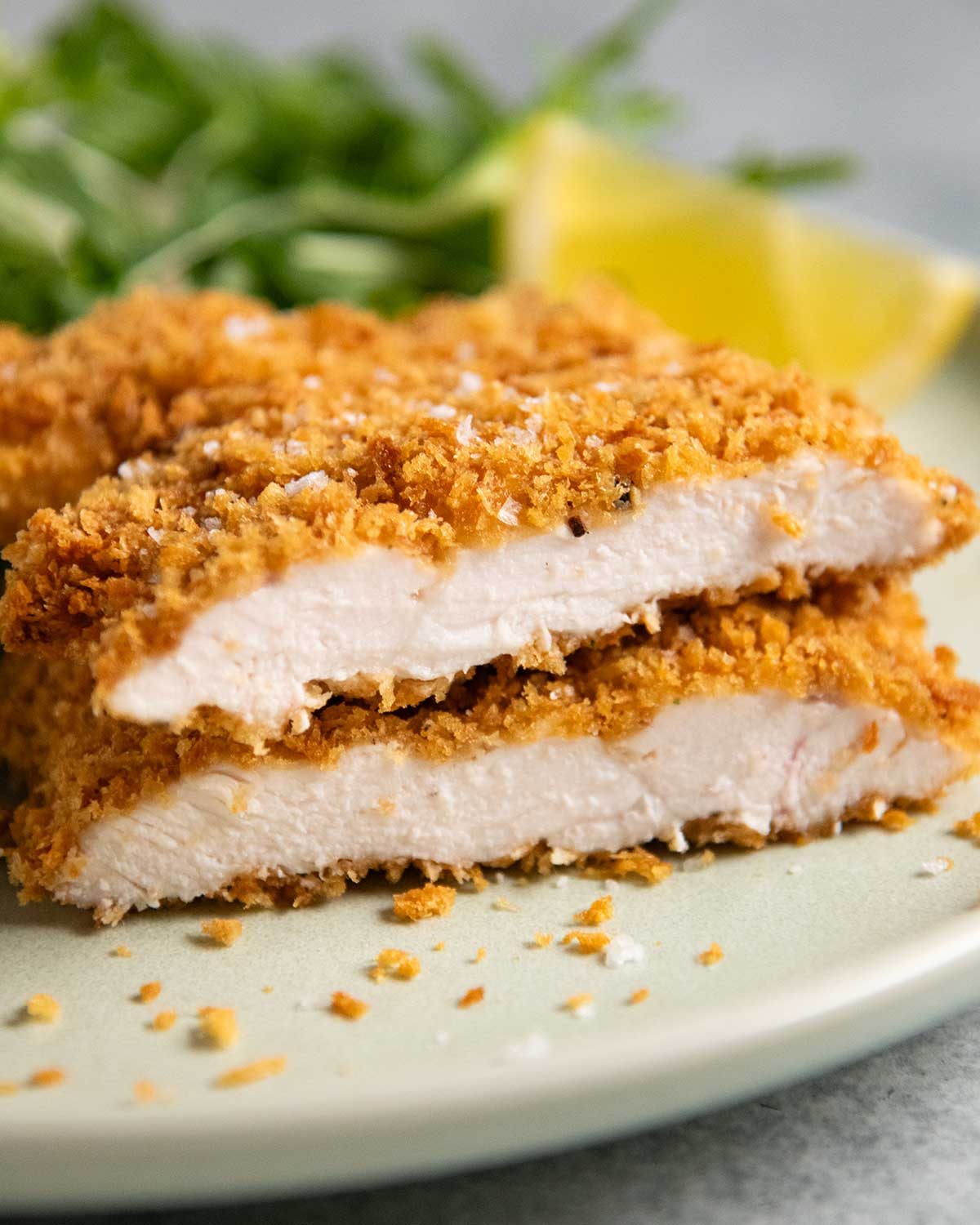
The central dilemma of oven-baking crumbed poultry lies in the contrasting cooking dynamics between lean poultry meat and breadcrumbs. A flattened chicken breast requires very little thermal exposure to reach optimal doneness. If left in a baking chamber long enough for pale raw crumbs to develop a rich golden shade, the internal moisture completely evaporates, leaving behind a dry, stringy texture. Conversely, pulling the meat out the moment it cooks through leaves the exterior limp, pale, and soggy.
To eliminate this compromise, three methodical kitchen steps work together to recreate the deep-fried experience without a vat of cooking oil
- Pre-toasting the Panko Breadcrumbs: Japanese panko flakes are roasted independently on a baking sheet until they achieve a deep amber shade before ever coming into contact with the meat. Because the crumb does not darken further during the brief baking period, this initial roasting locks in both colour and brittle texture from the start.
- An Emulsified Mayonnaise Dredge: Standard dredging relies on dry flour followed by beaten raw egg. Replacing that multi-step mess with a unified batter combining flour, egg, a splash of milk, and full-fat mayonnaise creates a viscous adhesive. The fats within the mayonnaise provide built-in frying lipid directly beneath the crumb layer, allowing the breadcrumbs to crisp from the inside out during baking.
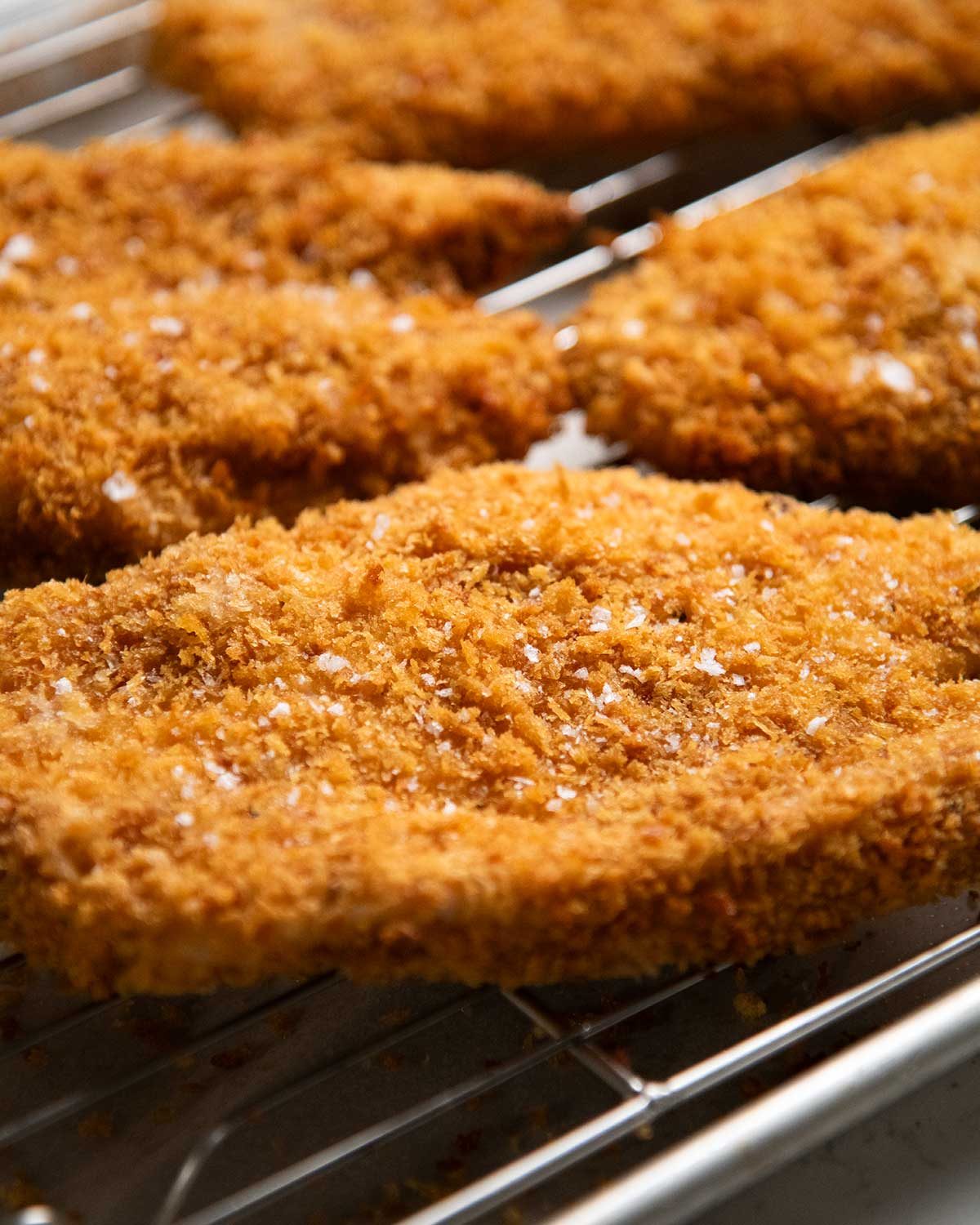
- High Heat and Elevated Airflow: Placing the crumbed cutlets upon an oiled wire cooling rack resting over a baking sheet exposes the underside to radiant heat, preventing moisture pooling. A short blast at 220°C (200°C fan-forced) for precisely thirteen minutes cooks the meat to tender perfection while setting the crunchy coating.
Required Ingredients and Precise Measurements
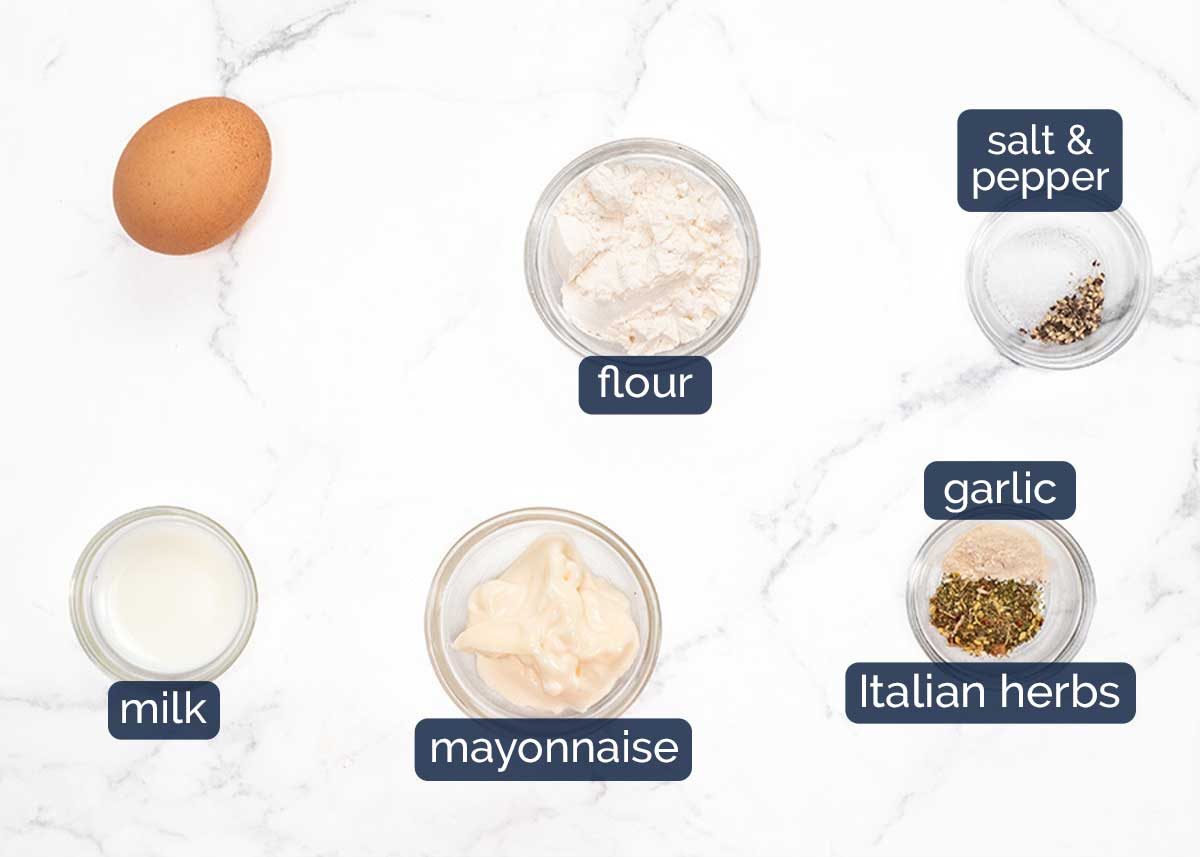
Gathering quality ingredients ensures the resulting cutlets carry balanced seasoning and superior crunch. The components are measured specifically to coat four generous schnitzels evenly without unnecessary waste.
Main Poultry and Crumb Layer
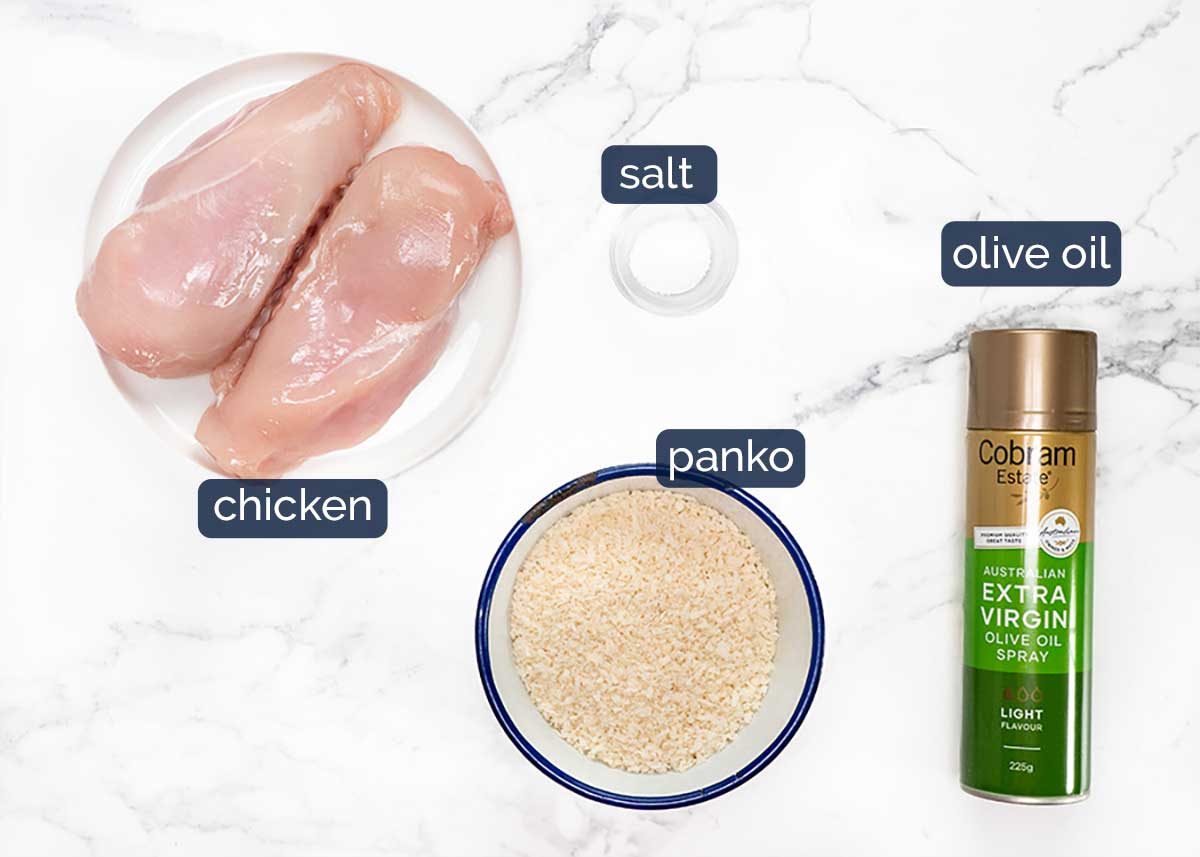
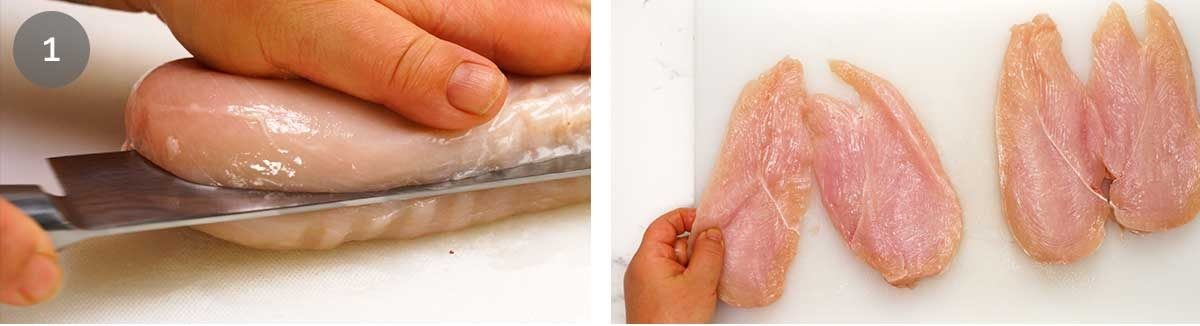
- Chicken Breast: Two whole fillets weighing approximately 300g (8 oz) each. These will be halved horizontally to create four individual schnitzel portions. Store-bought pre-cut schnitzel steaks can also be utilized for convenience.
- Panko Breadcrumbs: 2 1/2 cups of Japanese-style panko. Their elongated, slivered structure creates significantly more surface area and pocketed air than standard ground breadcrumbs, resulting in superior crunch.
- Fine Cooking Salt: 3/4 teaspoon of kosher or cooking salt, stirred into the toasted panko to ensure the crust itself is properly seasoned.
- Olive Oil Cooking Spray: Essential for coating the panko prior to toasting and misting the arranged cutlets before they enter the oven.
- Flaky Finishing Salt: Sea salt flakes or fleur de sel for an immediate sprinkle upon emergence from the oven.
Dredge Batter and Optional Marinade
- Egg: One large whole egg, approximately 50g to 55g in weight.
- Mayonnaise: 2 tablespoons of traditional full-fat mayonnaise. If unavailable, 1 1/2 tablespoons of olive oil can serve as an alternative, though mayonnaise provides unmatched body and adherence.
- All-Purpose Flour: 2 tablespoons of plain wheat flour (a standard gluten-free blend functions equally well).
- Milk: 1 tablespoon of any percentage dairy or plant-based milk to loosen the batter to an ideal dipping consistency.
- Aromatics and Seasonings: 1/2 teaspoon garlic powder, 1/2 teaspoon dried Italian herb seasoning (both optional but recommended), 1/2 teaspoon fine cooking salt, and 1/4 teaspoon freshly ground black pepper.
Step-by-Step Meat Preparation and Pounding Technique
Uniformity in meat thickness is essential for even cooking. Place each trimmed chicken breast smooth side facing upward on a sturdy cutting board. Rest your non-dominant hand flat against the top of the breast to anchor it firmly. Using a sharp chef's knife or slicing knife held parallel to the board, slice horizontally through the thicker side of the breast toward the tapered edge, creating two relatively equal cutlets.
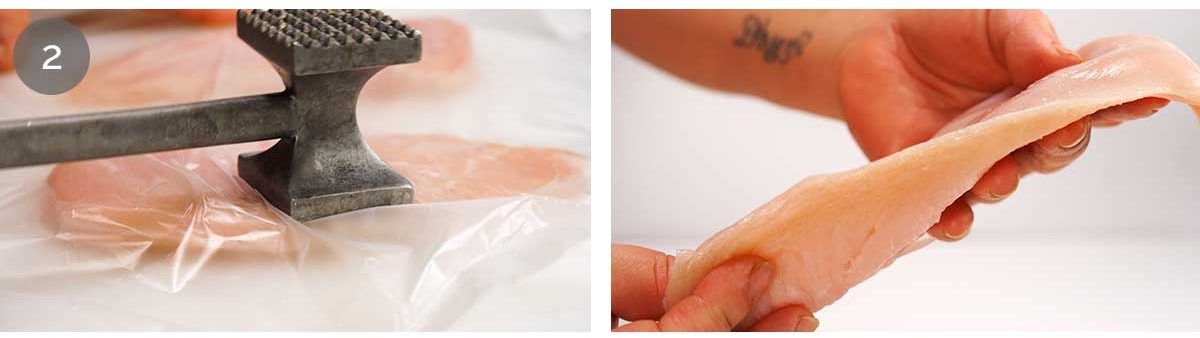
Next, arrange the meat cut side down and drape a sheet of durable plastic wrap, parchment paper, or commercial plastic film over the surface to prevent tearing. Using the smooth face of a meat mallet or a heavy kitchen rolling pin, strike the poultry gently, working outward from the centre. The objective is to achieve an even thickness of 0.8 cm (1/3 inch) across the entire cutlet. This gentle pounding breaks down tough muscle fibres in lean breast meat, guaranteeing a tender bite while preventing thin extremities from overcooking before thicker sections cook through.

Toasting the Breadcrumbs to Golden Perfection

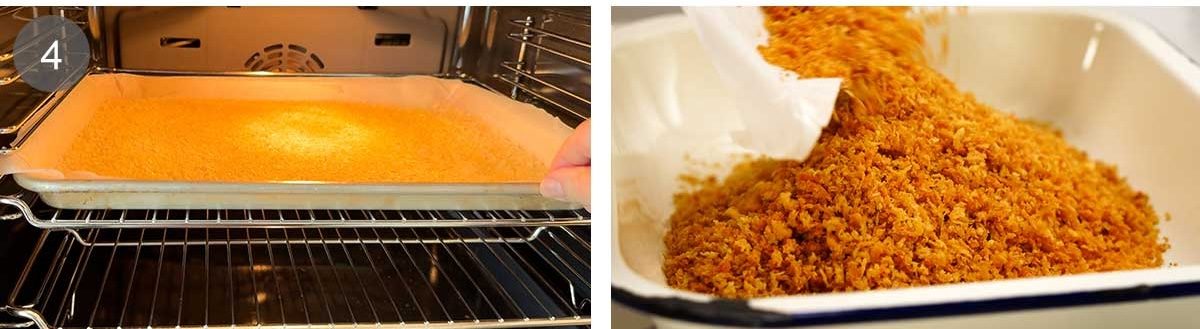
Preheat the oven to 200°C / 390°F (180°C fan-forced). Line a standard rimmed baking sheet with baking paper and scatter the 2 1/2 cups of panko breadcrumbs across the surface in an even layer. Generously mist the dry crumbs with olive oil spray, holding the nozzle at an elevated distance so the aerosol pressure does not blow the delicate flakes off the tray.

Slide the tray into the preheated oven and bake for approximately 12 minutes, pausing at the 6-minute mark to stir the crumbs thoroughly with a spatula to encourage uniform browning. The panko should emerge as a deep, rich golden brown. Lift the edges of the parchment paper to form a funnel and transfer the roasted crumbs directly into a wide, shallow dish large enough to accommodate an outstretched schnitzel. Stir in the 3/4 teaspoon of fine salt and set aside.

Coating the Cutlets with Clean Fingers

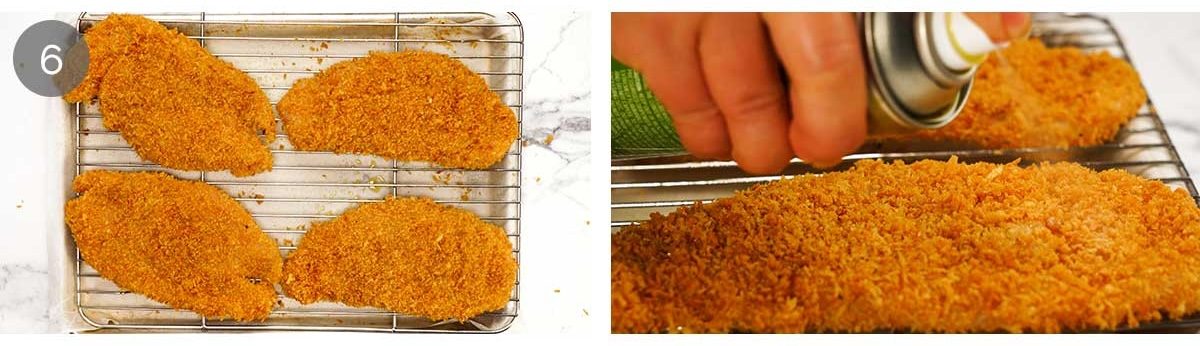
Increase the oven temperature setting to 220°C / 425°F (200°C fan-forced) so the oven is thoroughly heated. Position an oven-safe wire cooling rack directly atop the rimmed baking sheet used earlier, and mist the wire grate generously with oil spray to prevent sticking.

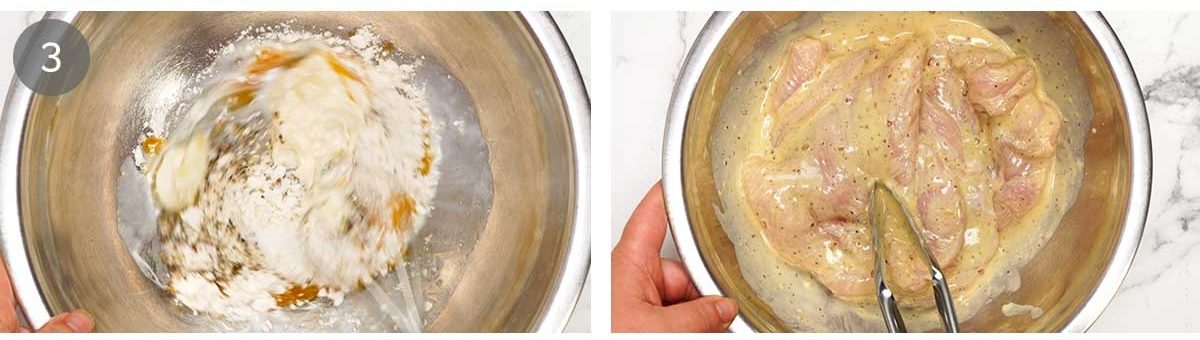
In a mixing bowl large enough to hold all four cutlets, whisk together the egg, mayonnaise, flour, milk, garlic powder, Italian seasoning, salt, and black pepper until completely smooth. Add the pounded cutlets into this dredge, turning each piece until thoroughly coated. If dinner preparations permit, cover the bowl and refrigerate the chicken to marinate anywhere from 1 to 24 hours. The salt and acidity in the emulsion tenderize the meat while imparting deep savoury flavour. However, if working under tight schedules, proceeding immediately still yields fantastic results.

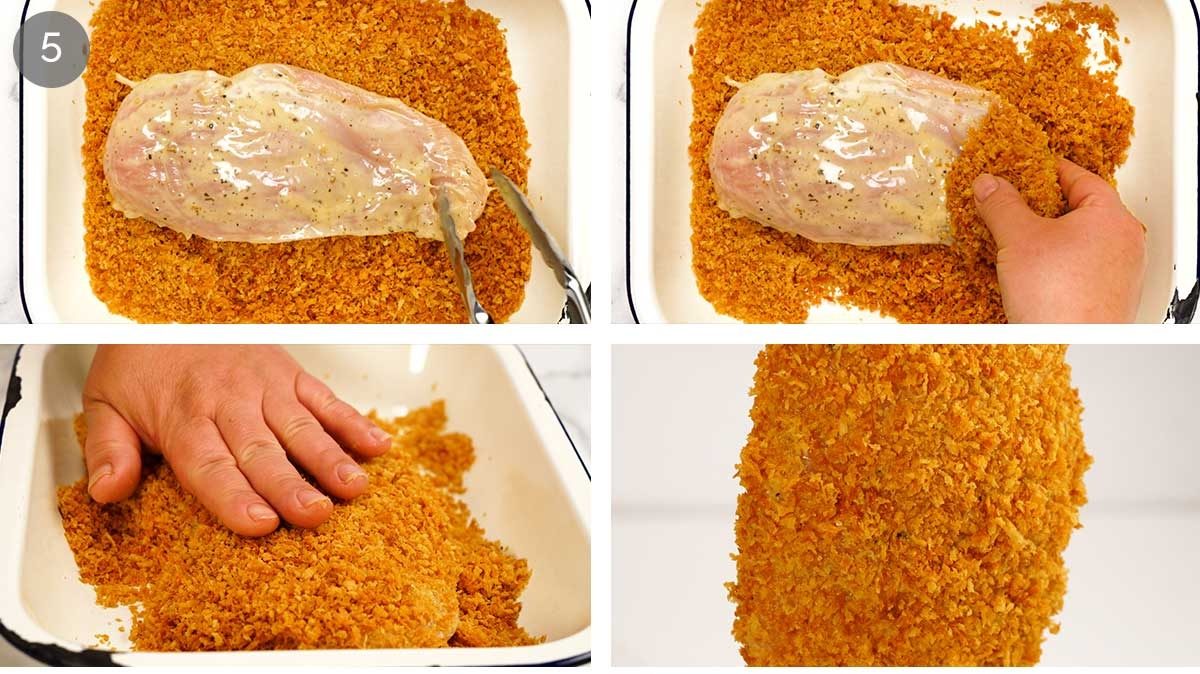
To crumb the cutlets without coating your fingers in sticky clumps, lift one cutlet from the dredge, letting excess liquid run back into the bowl. Lay the wet chicken flat onto the bed of toasted panko. Take a handful of dry crumbs from the perimeter and sprinkle them generously over the narrow tapered tail of the cutlet. Using this dry, crumb-covered patch as a clean finger grip, flip the cutlet over. Scatter remaining crumbs across any bare patches and press down firmly across the entire cutlet with open palms so the panko adheres tightly. Lift the crumbed piece and transfer it to the oiled rack, repeating the process with the remaining three cutlets.
Baking Time and Serving Suggestions
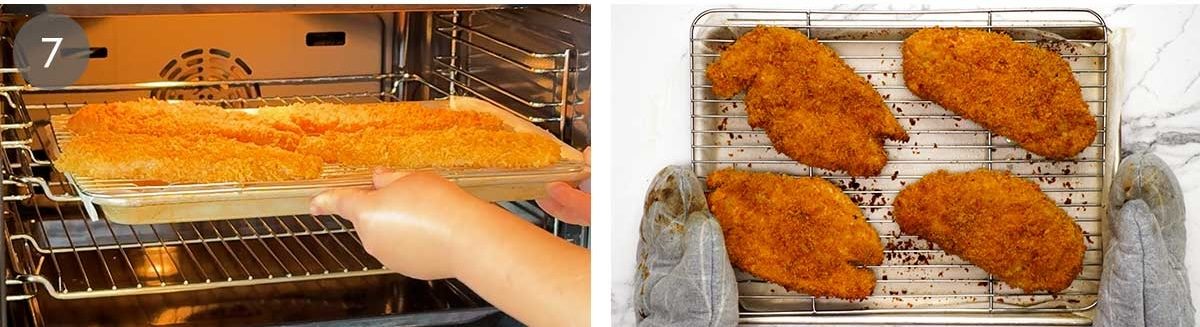
Give the tops of all four arranged schnitzels a final generous misting of olive oil spray. Place the baking sheet into the hot oven and bake uninterrupted for exactly 13 minutes. There is no requirement to flip the cutlets; the elevated rack allows radiant heat to circulate underneath, maintaining a crisp bottom crust while the intense heat cooks the chicken to peak juiciness.
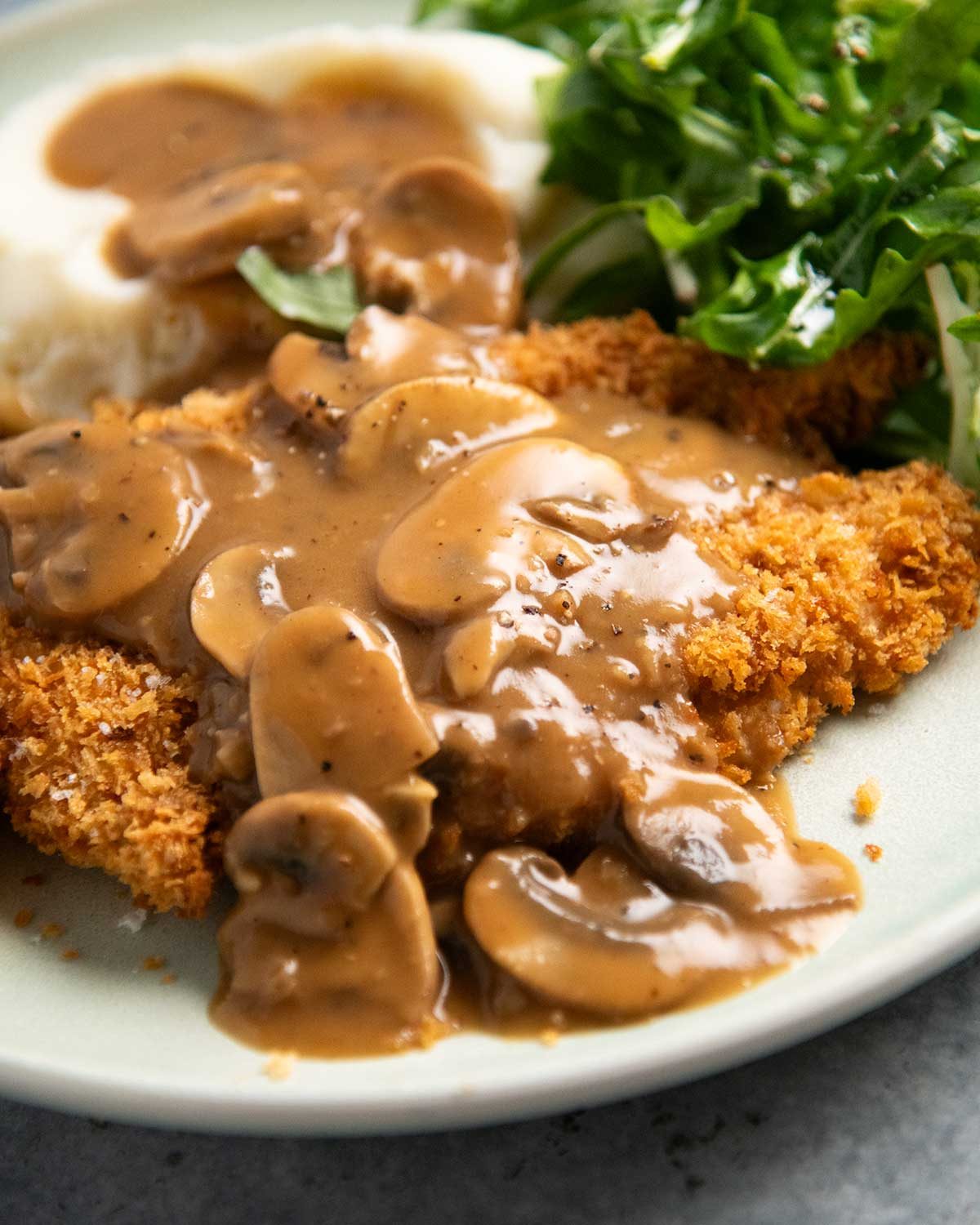
Remove the sheet from the oven and immediately dust the schnitzels with a sprinkle of flaky salt. Serve directly with fresh lemon wedges for squeezing alongside golden potato fries and a crisp garden salad tossed in a vinaigrette dressing. For heartier dining, pair the crispy cutlets with a generous mound of buttery mashed potatoes smothered in rich mushroom or pan gravy. Alternatively, layer sliced schnitzel into crusty bread rolls with mayonnaise, lettuce, and ripe tomatoes, or top the baked schnitzel with marinara sauce and melted cheese for a lighter take on classic Chicken Parmigiana.
Nutritional Profile and Storage Guidance
Each individual schnitzel serving provides 356 calories, 37g protein, 25g carbohydrates, and 11g total fat (including 2g saturated fat, 4g polyunsaturated fat, and 3g monounsaturated fat, with 0.03g trans fat). Micronutrient and mineral contents include 131mg cholesterol, 1168mg sodium, 642mg potassium, 2g dietary fibre, 2g sugar, 103 IU vitamin A, 2mg vitamin C, 76mg calcium, and 2mg iron.
Beyond chicken breast, this exact method adapts seamlessly to boneless chicken thighs, lean pork chops, turkey cutlets, or tender veal. Leftover cooked schnitzels can be stored in an airtight container within the refrigerator for up to 3 days, though the breadcrumbs will naturally soften over time as internal moisture redistributes.