




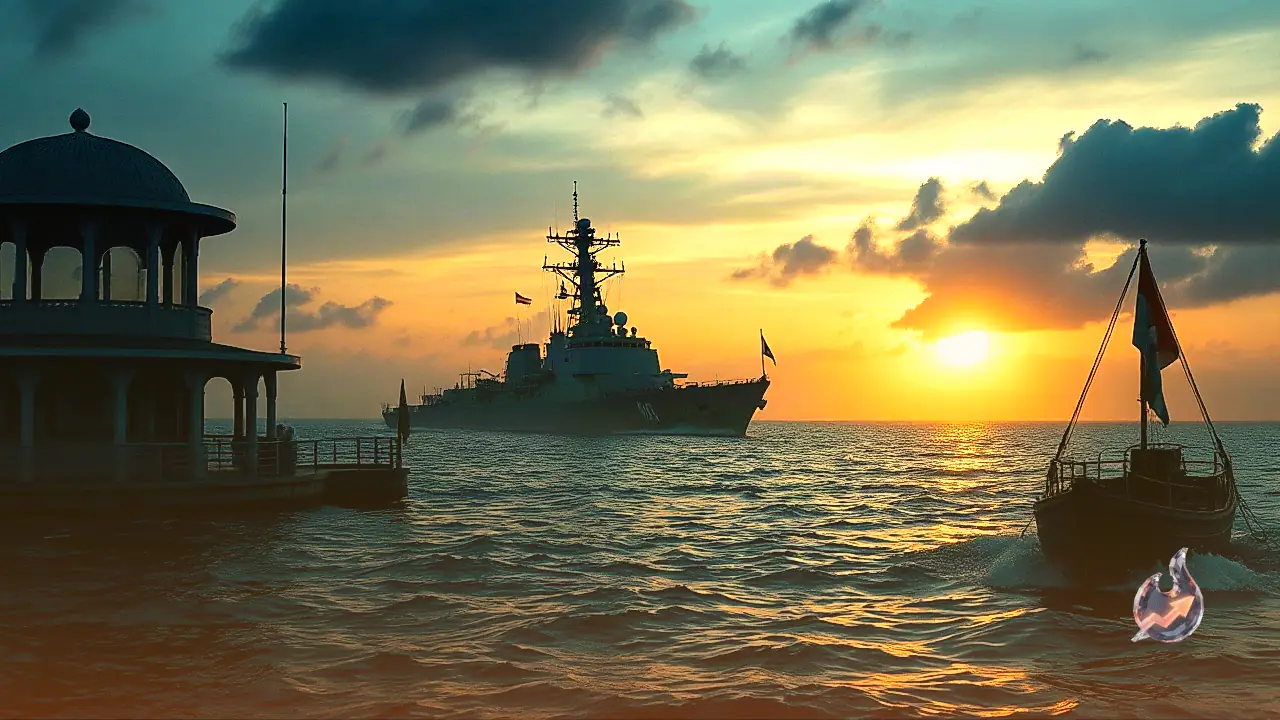

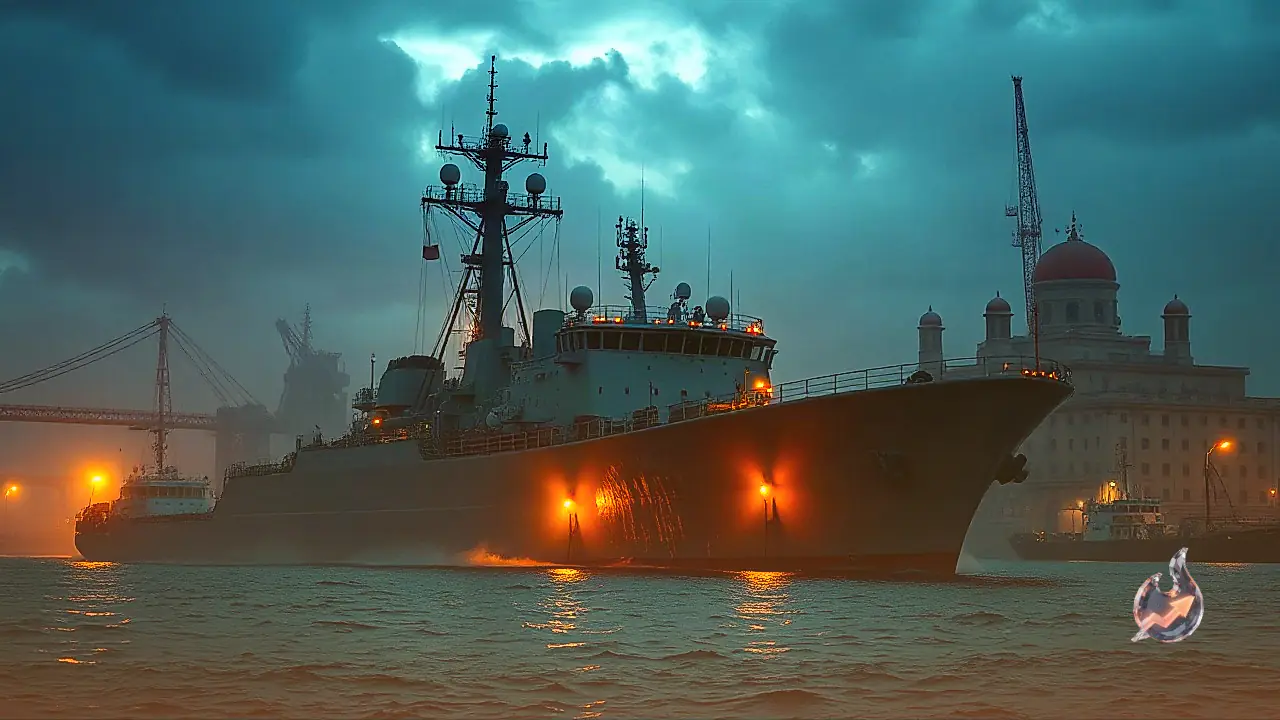















In a significant diplomatic move, India has lodged a strong protest with Pakistan following a maritime incident involving a Pakistani naval vessel and an Indian Navy unit in international waters. The Ministry of External Affairs in New Delhi summoned the Charge d'Affaires of the Pakistan High Commission to convey its deep displeasure. During the meeting, Indian officials strongly objected to what they termed as highly unprofessional and unacceptable maneuvering by the Pakistani naval unit at sea.
Violation of Bilateral Maritime and Military Accords
Although the mid-sea encounter did not result in any major damage or casualties, New Delhi has viewed the incident with gravity. Indian diplomatic representatives pointed out that the actions of the Pakistani ship represented a direct breach of Article 10 of the April 1991 bilateral agreement signed between India and Pakistan. This specific treaty establishes clear protocols regarding prior notification of military exercises, maneuvers, and troop movements, and its Article 10 has historically been invoked by both nations to address safety and operational protocols during maritime encounters.
Demand for Caution and Reciprocal Diplomatic Action
The Ministry of External Affairs instructed the Pakistani Charge d'Affaires to immediately convey New Delhi's firm message to the relevant military and political leadership in Islamabad. India emphasized the urgent need for Pakistani maritime units to exercise extreme caution while operating in international waters and to strictly adhere to the bilateral safety agreements currently in place. Additionally, New Delhi underlined the importance of preventing such risky encounters from happening again in the future.
Parallel Protest Lodged in Islamabad
To ensure the message was delivered at all levels, the Indian government also instructed its own Charge d'Affaires stationed in Islamabad to lodge an identical formal protest with the Pakistani Ministry of Foreign Affairs. This dual-pronged diplomatic response highlights the seriousness with which India views safety violations at sea, especially given the sensitive nature of naval operations in shared regional waters.