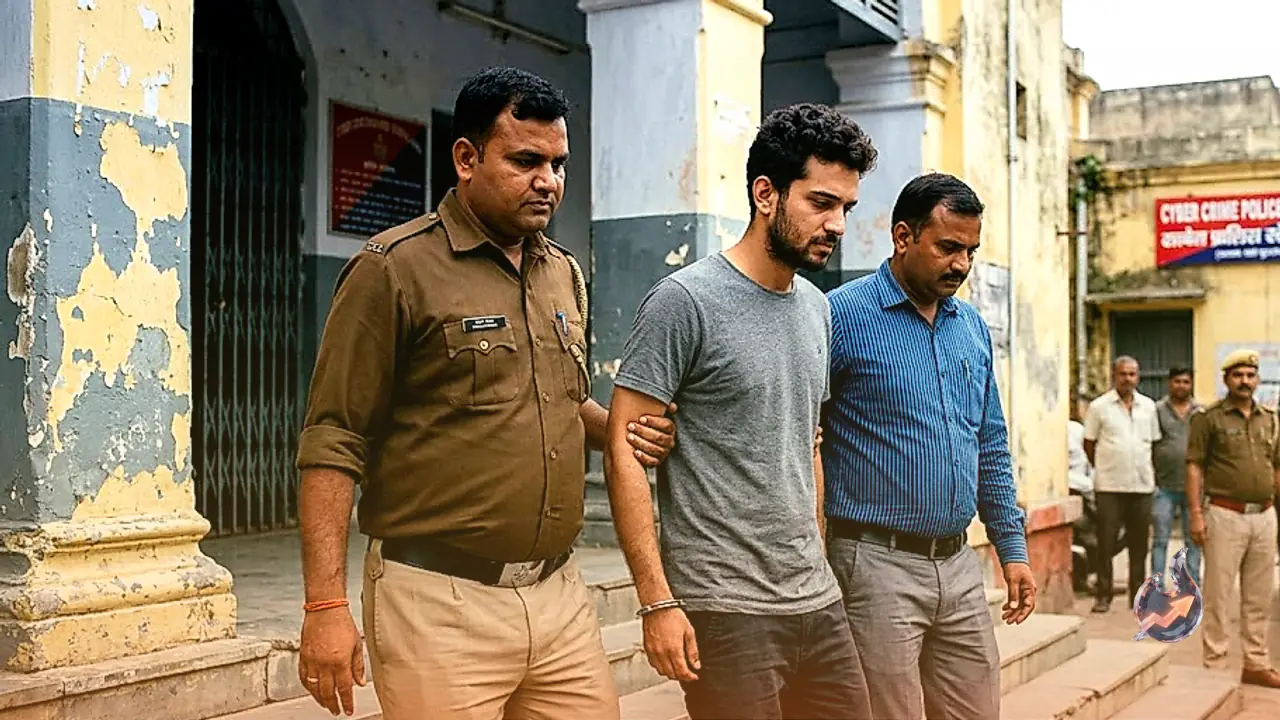
























A designated anti-terror court in New Delhi has delivered a major judicial setback to the digital outreach apparatus of the Islamic State. Special Court-01 of the National Investigation Agency, situated within the Rouse Avenue District Court complex, sentenced four convicts on Monday for running an insidious online radicalisation and recruitment ring targeted at Indian youth. Presiding over the matter, the court sentenced Umar Nisar alias Qasim Khorasani, Tanveer Ahmad Bhat, and Rameez Ahmad Lone to six years of rigorous imprisonment each, while their fourth associate, Afshan Parvez Jarabi, was handed a five-year rigorous prison term.
Financial penalties were simultaneously imposed on each convict alongside their jail sentences. Umar Nisar was directed to pay a fine of 36,000 rupees, Rameez Ahmad Lone was fined 31,000 rupees, Tanveer Ahmad Bhat received a penalty of 23,000 rupees, and Afshan Parvez Jarabi was ordered to pay 9,000 rupees. The court mandated that all prison sentences will run concurrently. The sentencing followed the court's earlier verdict on September 17, when all four individuals were formally convicted under charges of criminal conspiracy alongside specific provisions of the Unlawful Activities Prevention Act and the Indian Penal Code.
Radicalisation Drive Centred on Digital Propaganda
Detailed investigation records revealed that the network formed a pivotal cog in a broader plot orchestrated by operatives associated with the Islamic State. The core objective was to systematically indoctrinate young individuals across India and incite them to participate in violent extremist activities on behalf of the proscribed organisation. To execute this, operatives built a clandestine online machinery driven by deceptive virtual profiles across various digital forums. Beyond ideological indoctrination, investigators discovered that the syndicate also arranged financial resources on the ground to support operational extremist tasks.
A critical responsibility managed by the accused was the operational handling of the India-oriented propaganda publication named Sawt al-Hind, widely identified as the Voice of Hind magazine. The module supervised the entire lifecycle of the publication, including gathering content, editorial compilation, formatting, and digital dissemination. Through the extremist literature hosted within this publication, the ring sought to push swayed individuals into foreign conflict zones, actively encouraging travel to Syria, Iraq, and Afghanistan to join the ranks of foreign combatants.
Delineated Operational Roles in the Network
Judicial findings mapped out the distinct functional duties assigned to each operative within the broader conspiracy. Umar Nisar alias Qasim Khorasani occupied a central operational position, overseeing the circulation of propaganda through the magazine and encrypted Telegram networks while directly supervising indoctrination and prospective recruitment drives. Meanwhile, Rameez Ahmad Lone and Tanveer Ahmad Bhat were principally tasked with preaching the group's hardline narrative and motivating youngsters to affiliate with the outlawed organisation. Afshan Parvez Jarabi operated primarily across encrypted channels, managing the publication and distribution of specific articles from the magazine to widen the digital footprint of the ideology.
Search Operations Yielded Incriminating Evidence
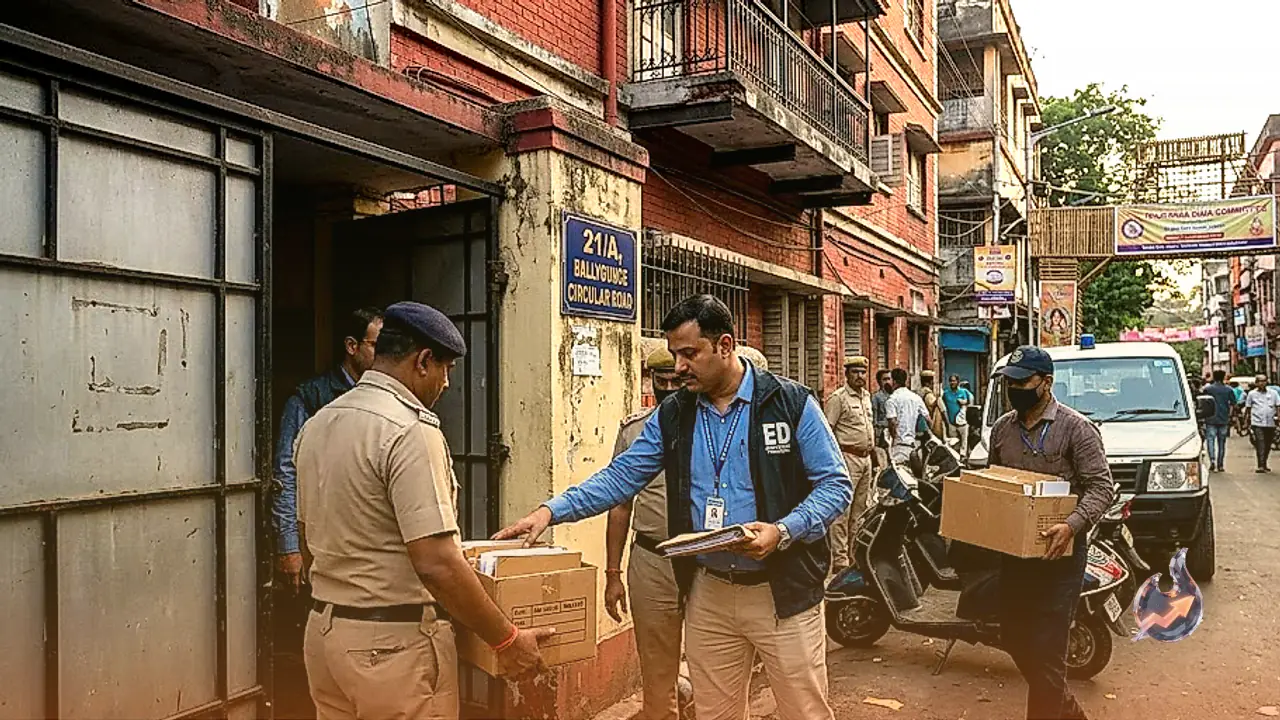
Sustained investigative raids against the syndicate yielded a substantial cache of digital archives, physical paraphernalia, and communication transcripts. Sleuths seized PDF versions of the magazine, propaganda literature, web hyperlinks redirecting to extremist content, and posters celebrating slain militants. Search teams also recovered T-shirts imprinted with the organisation's insignia alongside promotional flags and banners. Crucially, the seized digital material contained recorded audio notes and text transcripts directly detailing discussions around procuring arms and ammunition, alongside structured guides on conducting psychological warfare.
To establish the legal culpability of the network, the prosecution filed formal chargesheets against eight individuals, accompanied by four supplementary chargesheets detailing technical and physical evidence. While Monday's court ruling finalised sentences for these four convicted operatives, proceedings against the remaining accused individuals named in the chargesheets continue to remain active before the special court.