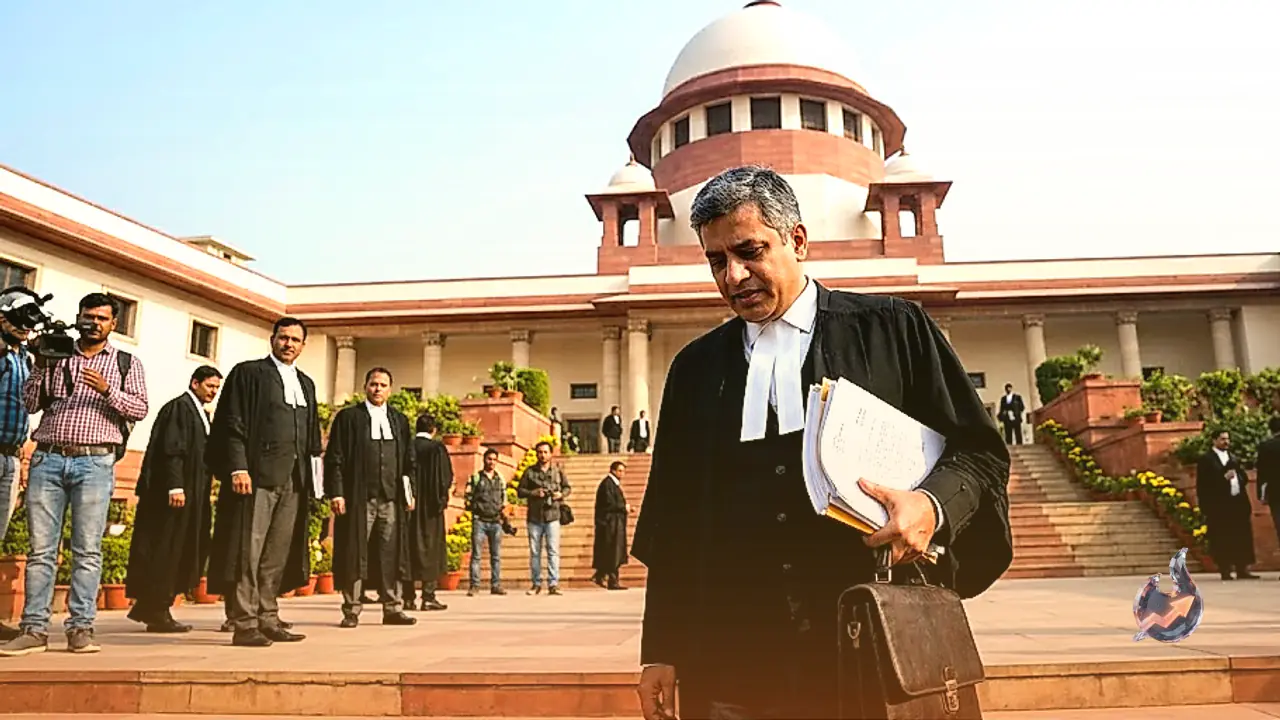
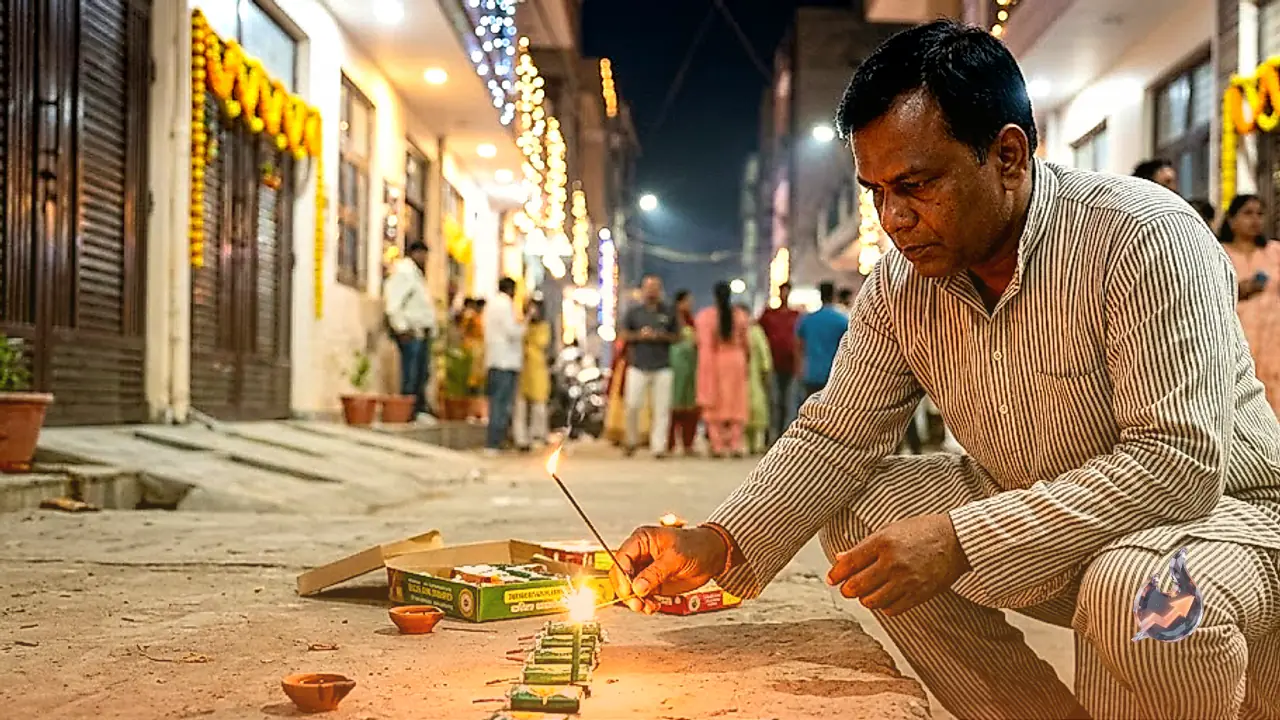
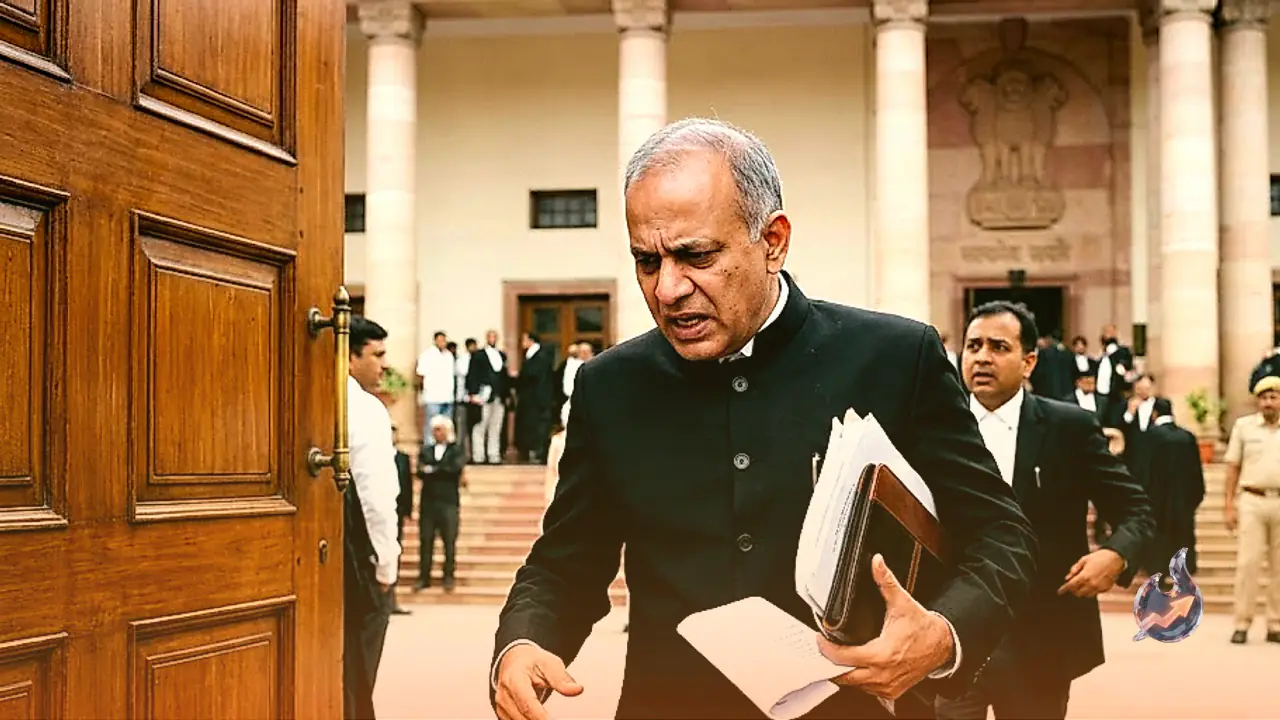















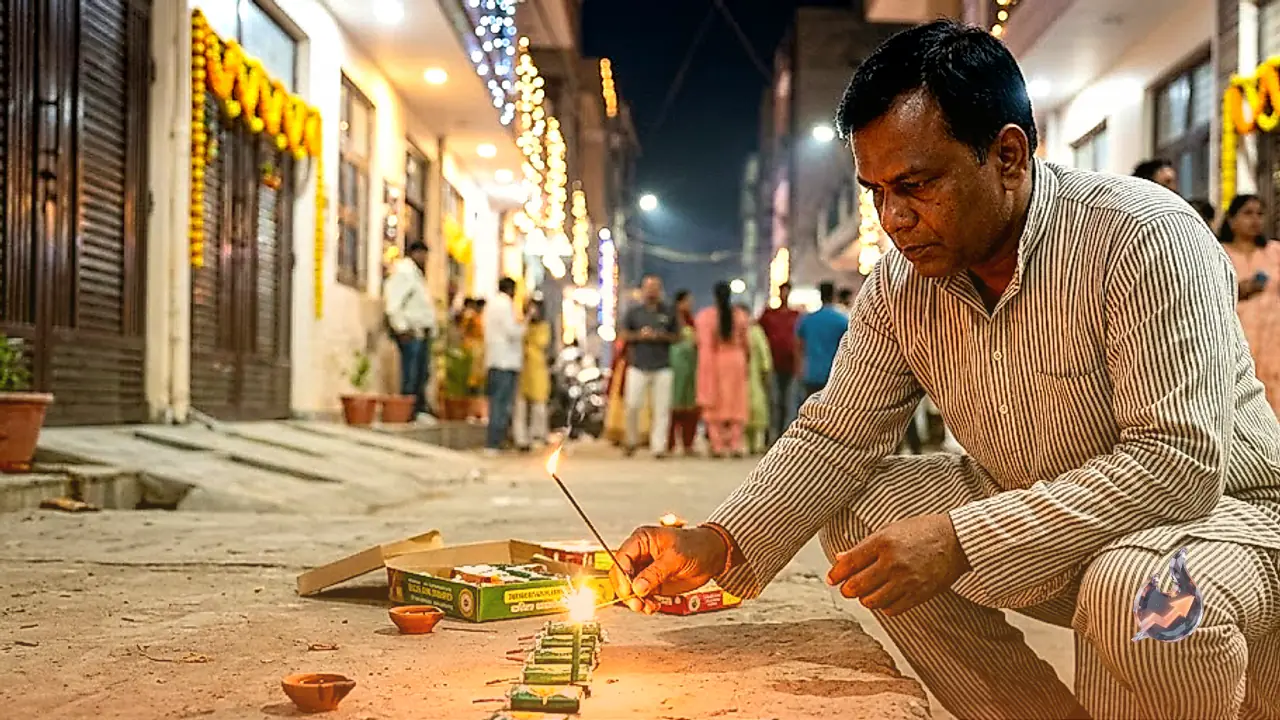

Ahead of the upcoming Diwali celebrations, the Supreme Court has articulated a key judicial stance regarding the use of fireworks across the country. The top court made it clear that it will not impose a total ban on firecrackers, emphasizing the need to strike a delicate balance between public religious sentiments and the pressing imperatives of healthcare and environmental protection. The judicial intent is centered on arriving at a workable resolution that respects festive traditions while shielding citizens from severe ecological harm.
Balancing Tradition with Public Health Concerns
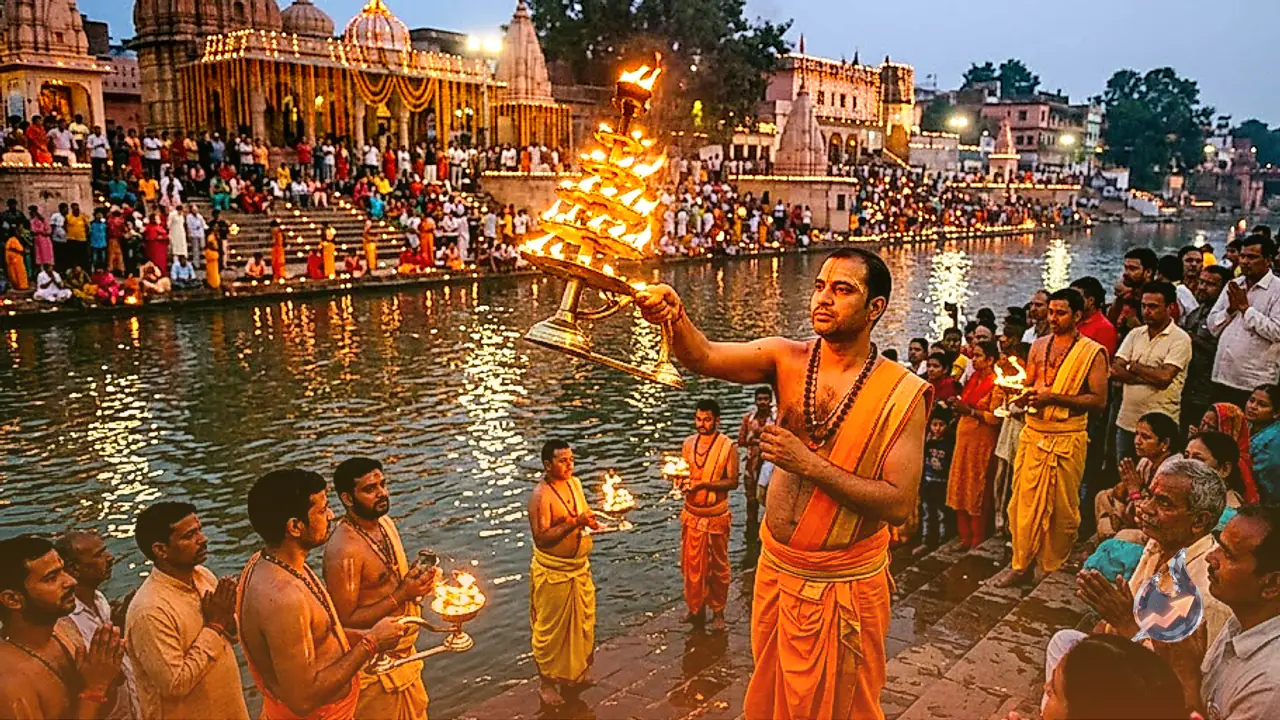
During the proceedings, Justice MM Sundresh outlined a pragmatic approach to the recurring debate over festive celebrations and environmental degradation. The bench observed that enforcing an outright prohibition across the entire country would inevitably hurt religious sentiments. At the same time, the court stressed that citizens cannot be given unhindered freedom to burst crackers without limits.
Highlighting the vulnerability of sensitive groups, Justice Sundresh stated, "We are not in favour of a complete ban throughout the country, but we are not going to permit bursting of firecrackers for 24 hours anywhere, because it affects the sick, the elderly and children."
Framework for Bursting Hours and Permissible Varieties
The bench clarified that its objective is to establish an equitable mechanism that addresses the concerns of all stakeholders. To prevent round-the-clock air and noise pollution, the court is looking into prescribing specific time slots during which fireworks may be used. Furthermore, the regulatory framework will explicitly distinguish permitted firecrackers from prohibited varieties, detailing which chemical formulations can be sold and set off, and which items will remain strictly disallowed.
Scientific Scrutiny of Barium and Noise Levels
To ground its final directions in empirical data, the Supreme Court granted additional time to the Central Pollution Control Board (CPCB) and the Union Government to carry out comprehensive laboratory testing on the presence of barium in fireworks. Additionally, the bench ordered joint fire tests to measure decibel levels produced by various types of crackers. These acoustic tests will help authorities gauge the exact noise output generated during celebrations and assess its physiological consequences on the public.
Next Court Hearing Slated for Mid October
The matter is scheduled for its next hearing on 15 October. By that date, the Union Government and the Central Pollution Control Board must place their joint test results and technical assessment reports before the bench. With air quality around Delhi deteriorating sharply every year during Diwali, legal petitions frequently call for sweeping restrictions on crackers. Against this backdrop of competing public health crises and devotional traditions, the court's measured intervention represents a pivotal effort to find common ground.