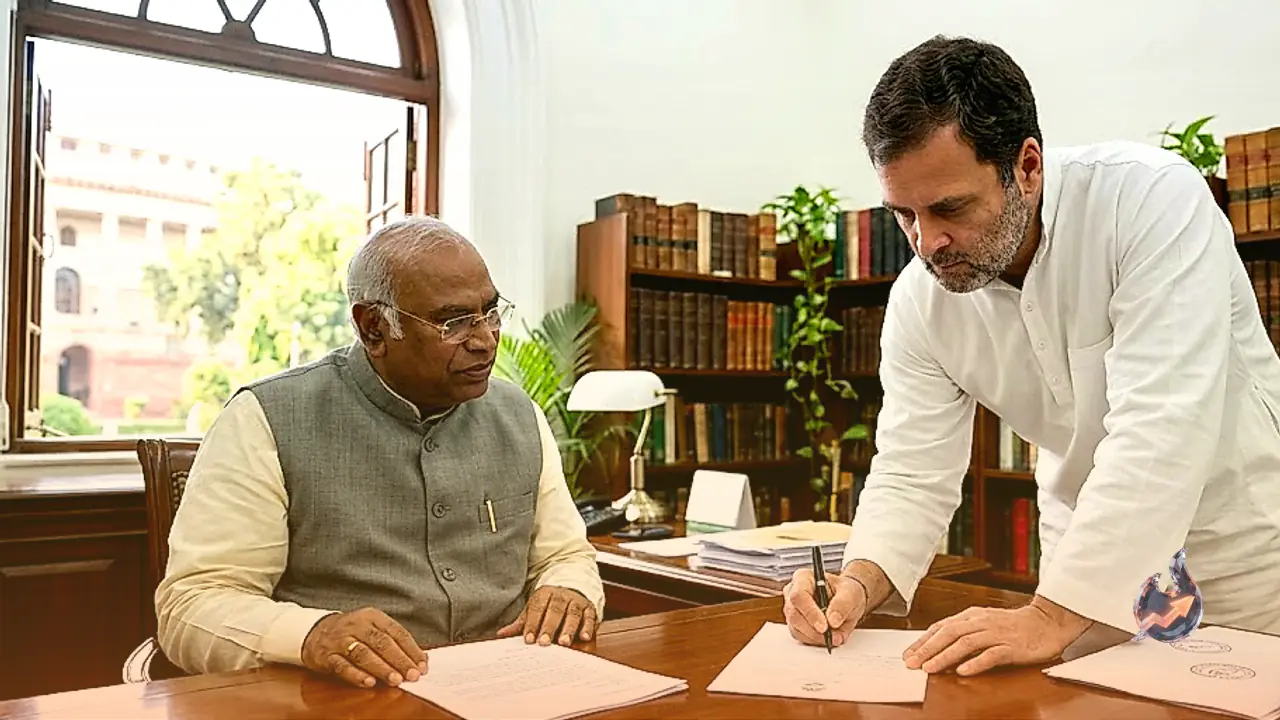


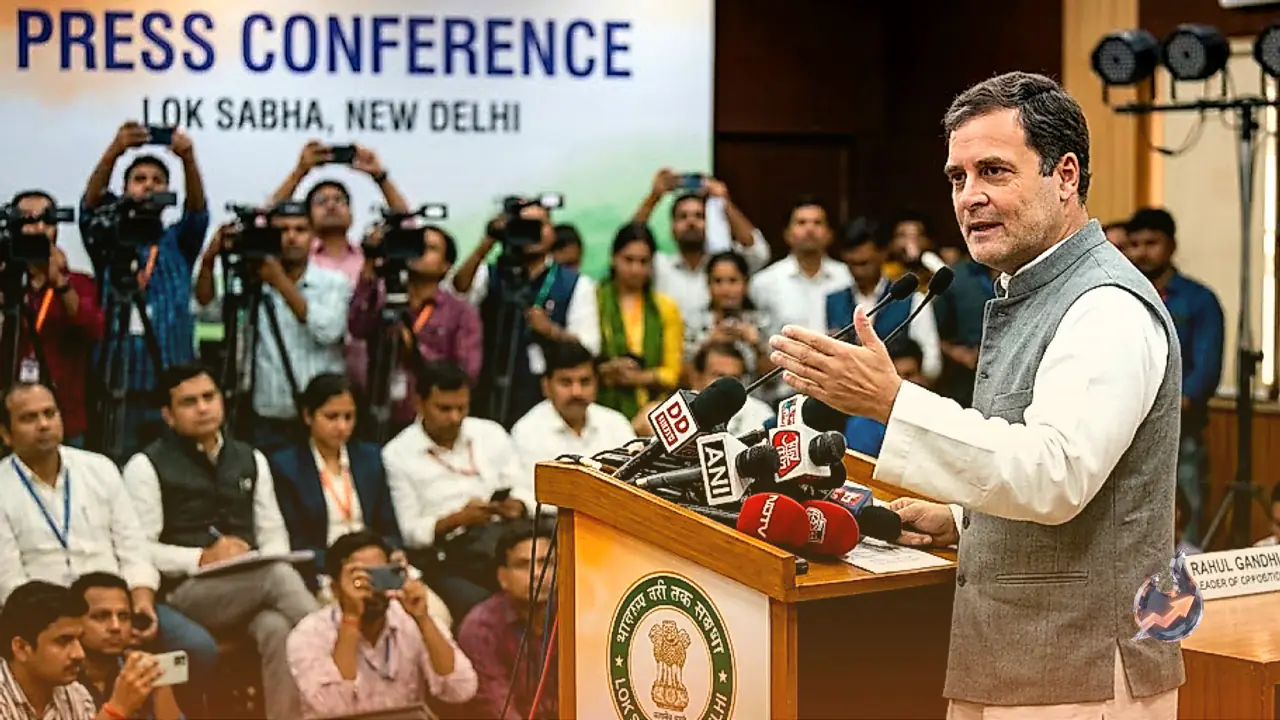




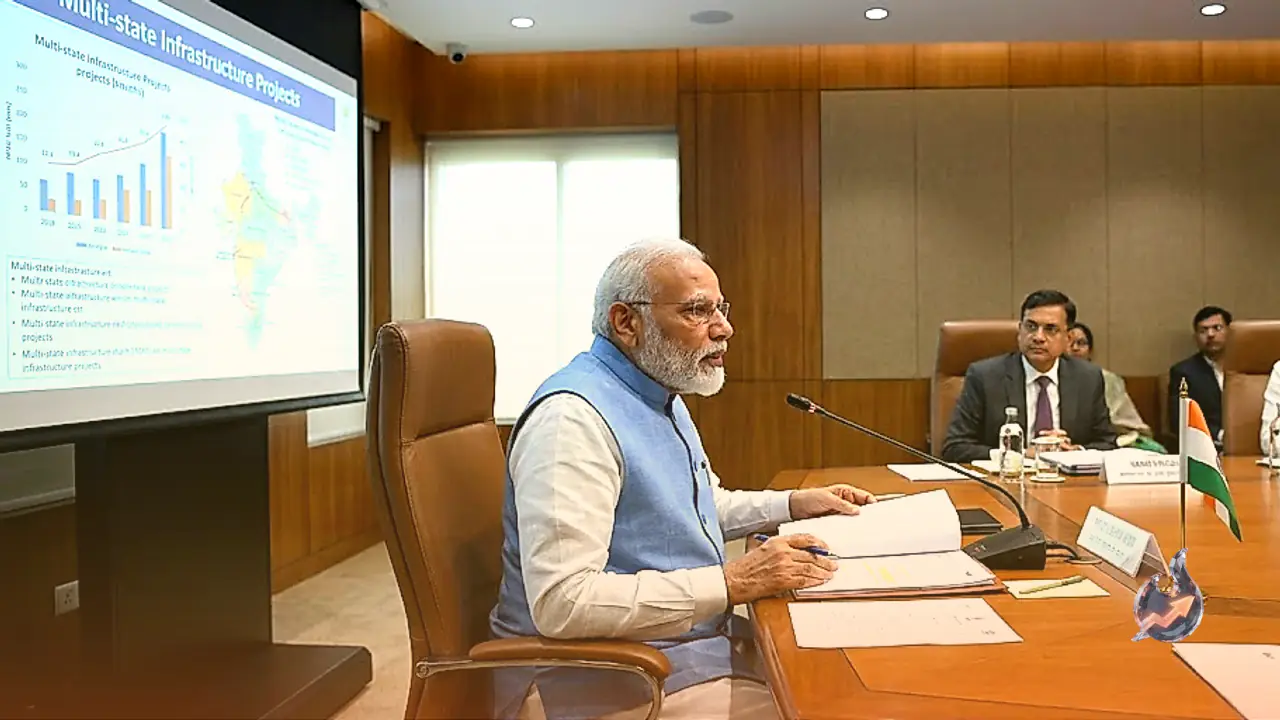















Prime Minister Narendra Modi chaired the 53rd PRAGATI meeting in New Delhi to conduct a comprehensive review of major infrastructure initiatives across the country. The high-level session evaluated six major projects valued at more than 30,000 crore rupees spanning across nine states. Administrative bodies and execution agencies were given clear directives that while work pace is crucial, quality standards must never be compromised in the rush for completion. The Prime Minister emphasized the necessity of strong coordination between central and state administrations alongside a proactive working culture. Several critical decisions regarding railways, roadways, power infrastructure, and the agricultural sector were deliberated during the session.
Viewing Projects as an Integrated Chain
Addressing the implementation framework, the Prime Minister advised looking at infrastructure undertakings not as isolated segments but as an interconnected continuous chain. Schemes concerning railways, highways, and electricity generation must be finalized strictly within their stipulated timeframes. Continuous evaluation and refinement at every operational stage were highlighted as essential requirements. Authorities were instructed to prevent delays at any administrative level so that citizens can reap the benefits of these developmental efforts without unnecessary wait, requiring unified action from both central and state machinery.
Leveraging AI and Digital Tech in Agriculture
The progress regarding AgriStack was thoroughly evaluated during the deliberations. The Prime Minister underscored the need for expanded utilization of digital technology and artificial intelligence within the agricultural landscape. By conducting precise analyses of agricultural data, modern facilities and insights can be delivered directly to cultivators. This technological integration is expected to significantly boost crop yields and enhance farmers' incomes.
Tackling Cyber Fraud and Digital Arrests
Expressing deep concern over the rising incidents of cyber frauds and digital arrests nationwide, strict measures were outlined. Police departments and investigative agencies were instructed to improve inter-agency coordination and impart specialized training to personnel. Educating ordinary citizens about cyber hygiene and safety protocols was identified as a paramount necessity, as curbing such fraudulent activities completely requires heightened public awareness and vigilance.