




















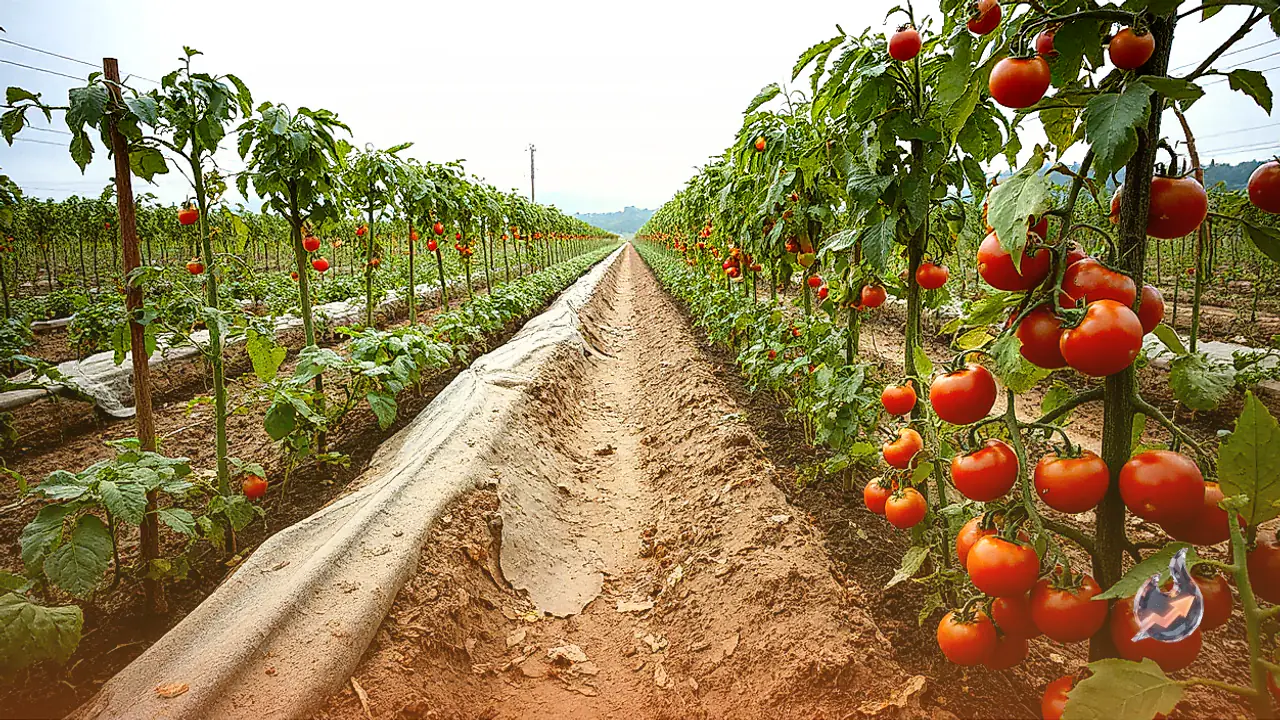

Bhilwara has held a prominent position in agriculture from the beginning, and farmers across the belt are now embracing modernization by transitioning from conventional farming to fruit and vegetable cultivation. With the onset of winter, agricultural challenges intensify significantly for growers cultivating vegetable plots. Plunging temperatures and severe frost present a direct threat of widespread crop devastation. Harsh cold weather can entirely arrest the growth cycle of vital vegetables such as brinjal, chilli, tomato, and peas. Furthermore, frost directly attacks and ruins delicate blossoms as well as developing fruits, striking a severe blow to the overall farm yield. To counter these vulnerabilities, timely intervention and systematic crop care are critical to curbing preventable weather damages.
Managing Soil Moisture Through Controlled Irrigation
Former agriculture officer Dr Indra Singh Sancheti pointed out that the winter months pose rigorous operational challenges for farmers. Preserving adequate moisture within the soil stands as a vital defense mechanism throughout this period. Whenever the likelihood of frost increases, cultivators should provide light irrigation across the fields. Maintaining consistent moisture preserves the soil temperature and insulates root systems against sudden thermal drops. However, growers must exercise caution to ensure fields are never flooded excessively, as waterlogging can inflict harm on fragile roots.
Shielding Tender Seedlings With Straw and Plastic Sheets
Tender and small vegetable plants require direct physical shelter to withstand penetrating cold winds and heavy frost. Farmers can effectively protect these vulnerable plants by covering them with straw, dry grass, or plastic sheeting. Deploying these covers during the night creates an effective barrier against cold gusts and heavy ground frost. As daylight arrives and sunshine emerges, all covering materials must be promptly removed. Clearing the coverings during daytime hours ensures the plants receive adequate sunlight and fresh air circulation necessary for healthy growth.
Weed Eradication and Intercultural Field Care
Unwanted wild weeds proliferating across crop beds continuously consume vital soil moisture and essential plant nutrients. When weeds siphon off vital nutrition, the vegetative progress of vegetable crops slows down considerably. Consequently, growers must conduct timely weeding and hoeing across their holdings. Maintaining an immaculate and clean field environment enables optimal vegetative development and prevents unnecessary competition for vital resources.
Balanced Nutrition and Systematic Crop Monitoring
To enhance crop resistance against winter stress, plants require balanced and appropriate nourishment. Farmers should incorporate well-decomposed cow dung manure alongside balanced fertilizers tailored precisely to the field conditions. The exact quantity of manure and fertilizer must strictly align with soil requirements and specific crop demands, as indiscriminate excessive application can easily damage plant health. Continuous, careful inspections throughout the winter season remain indispensable for every grower. If leaves show visible signs of cold injury, immediate communication with the agriculture department is advised. Through timely light watering, protective overnight covers, regular weeding, and balanced soil nutrients, farmers can successfully safeguard their vegetable harvests from winter chill.