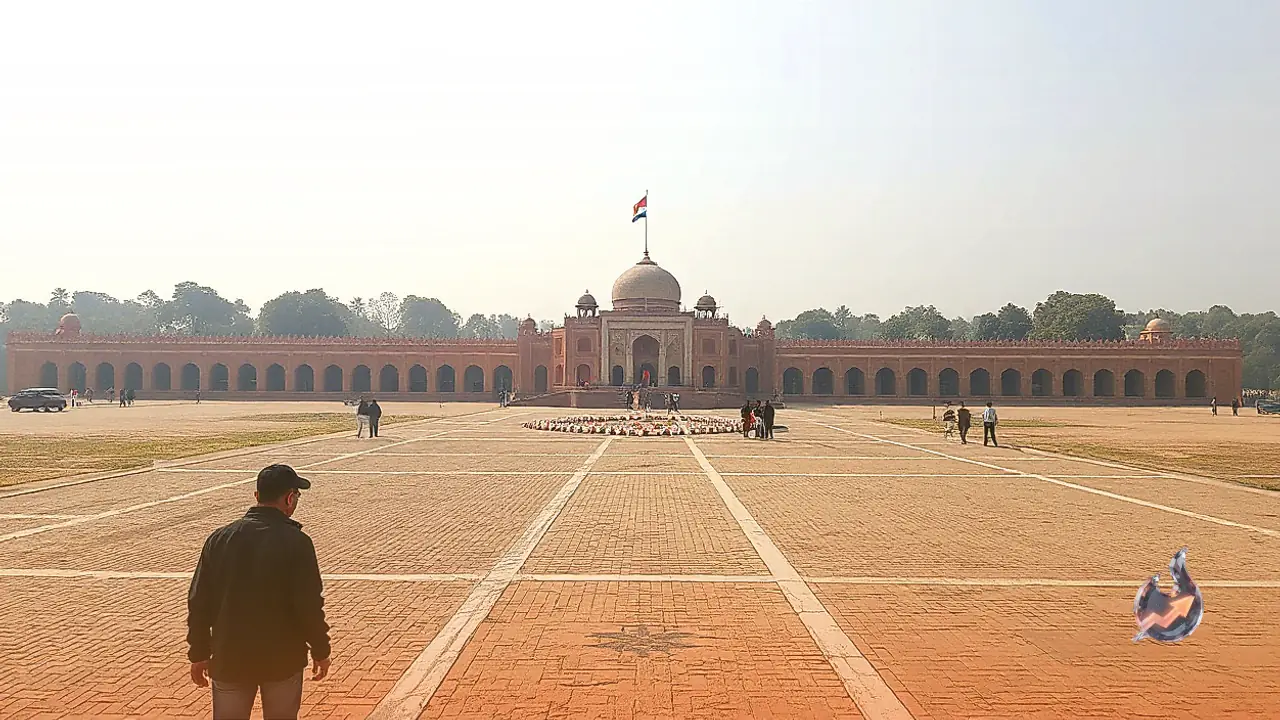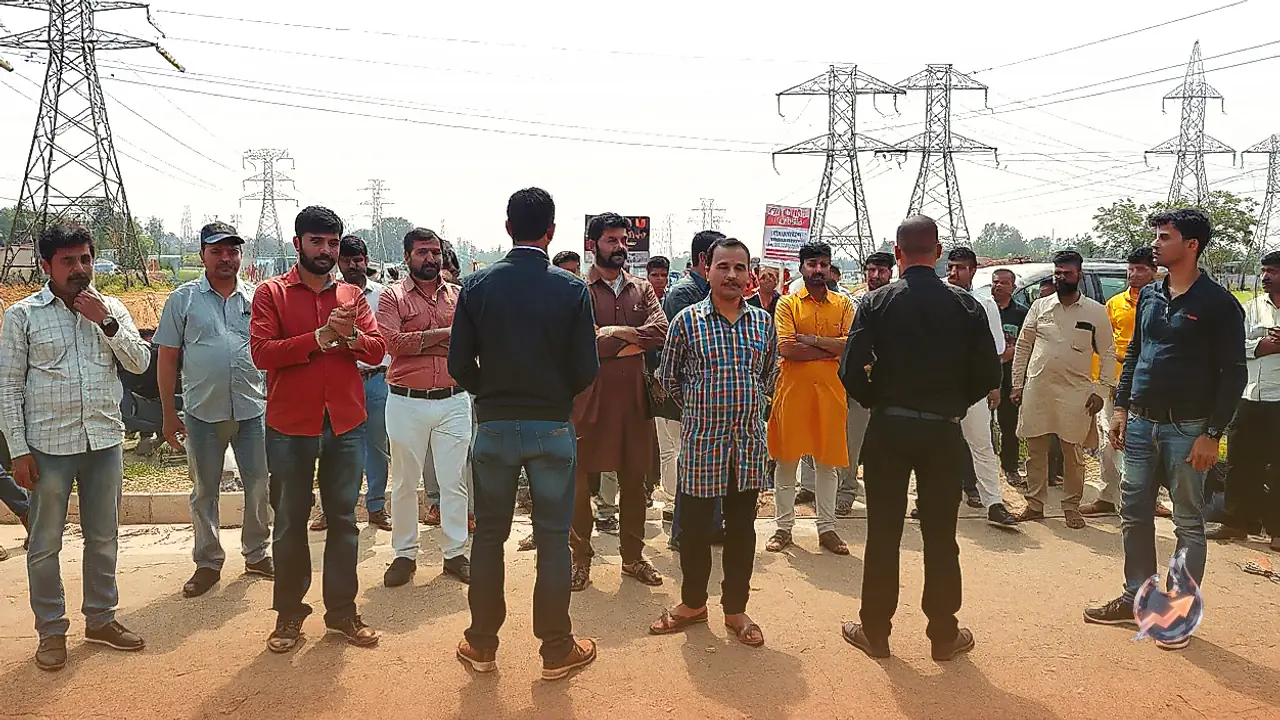
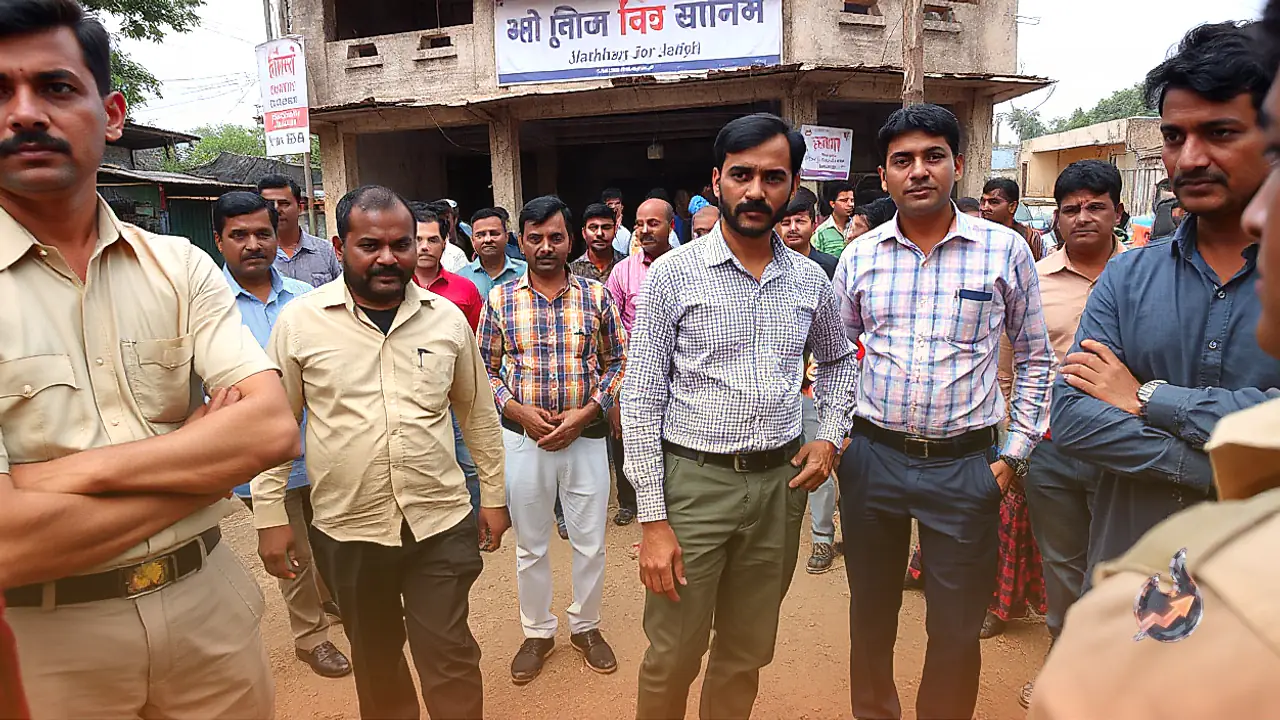
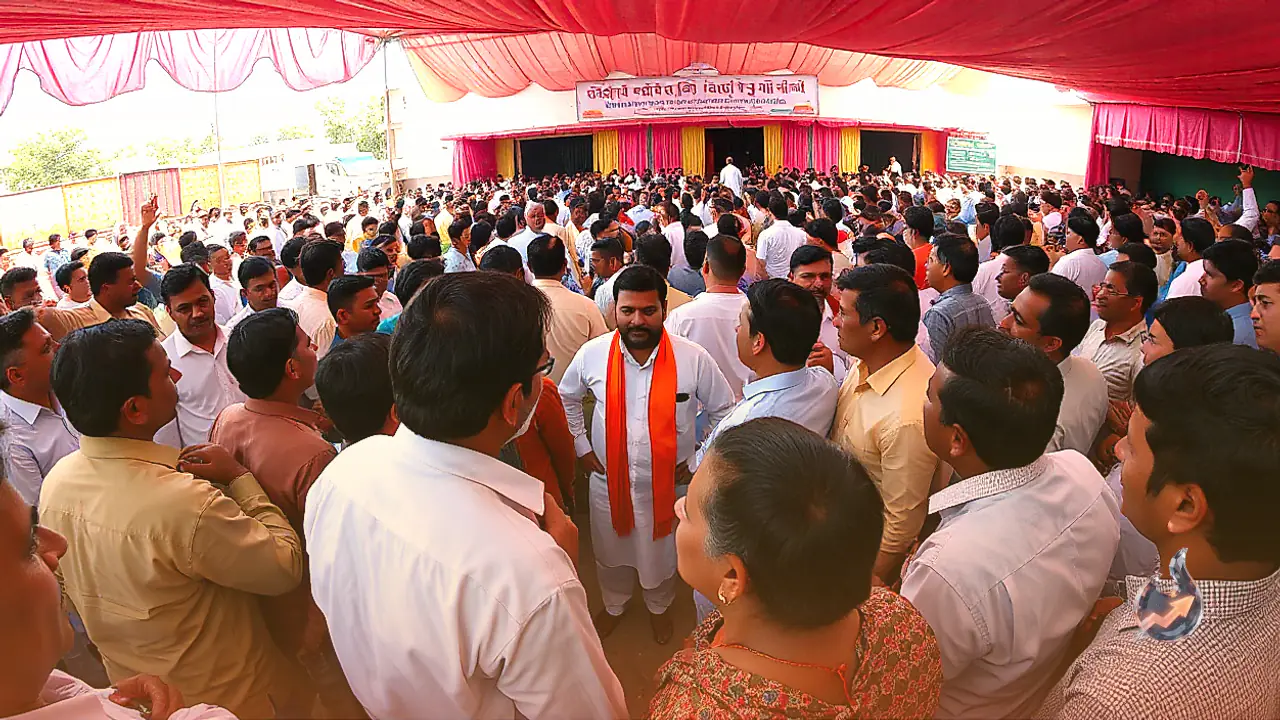


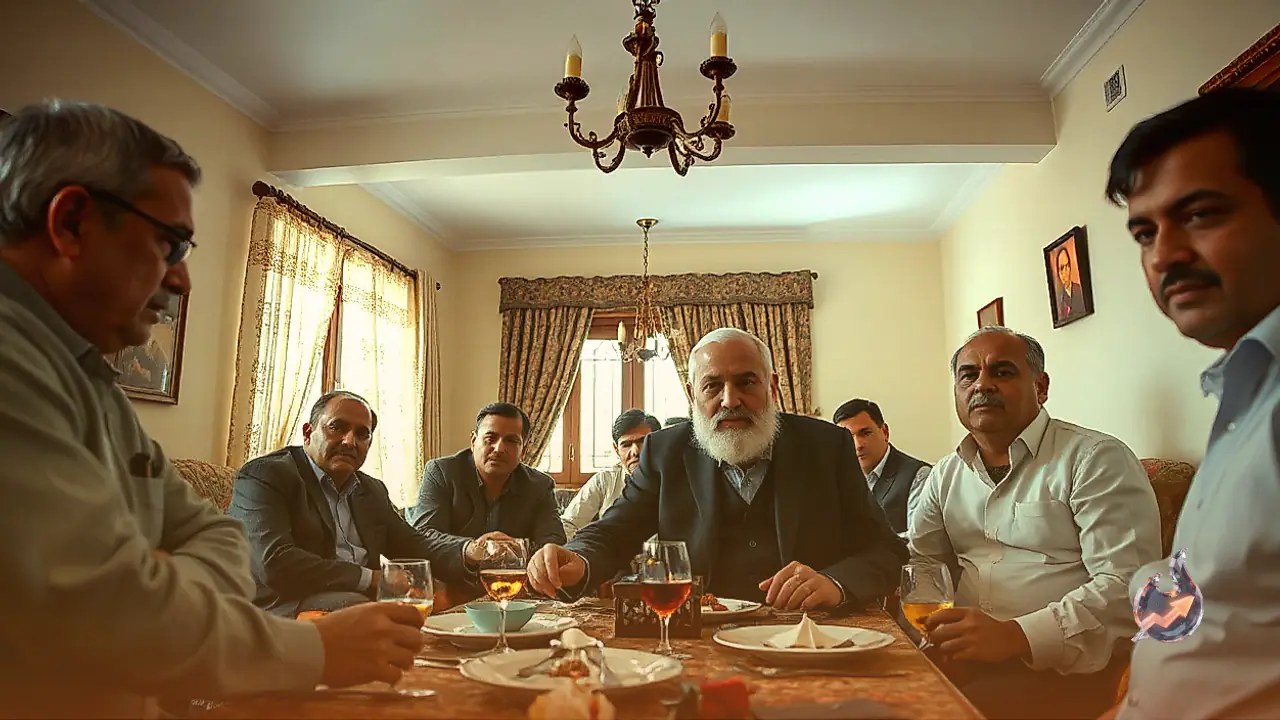
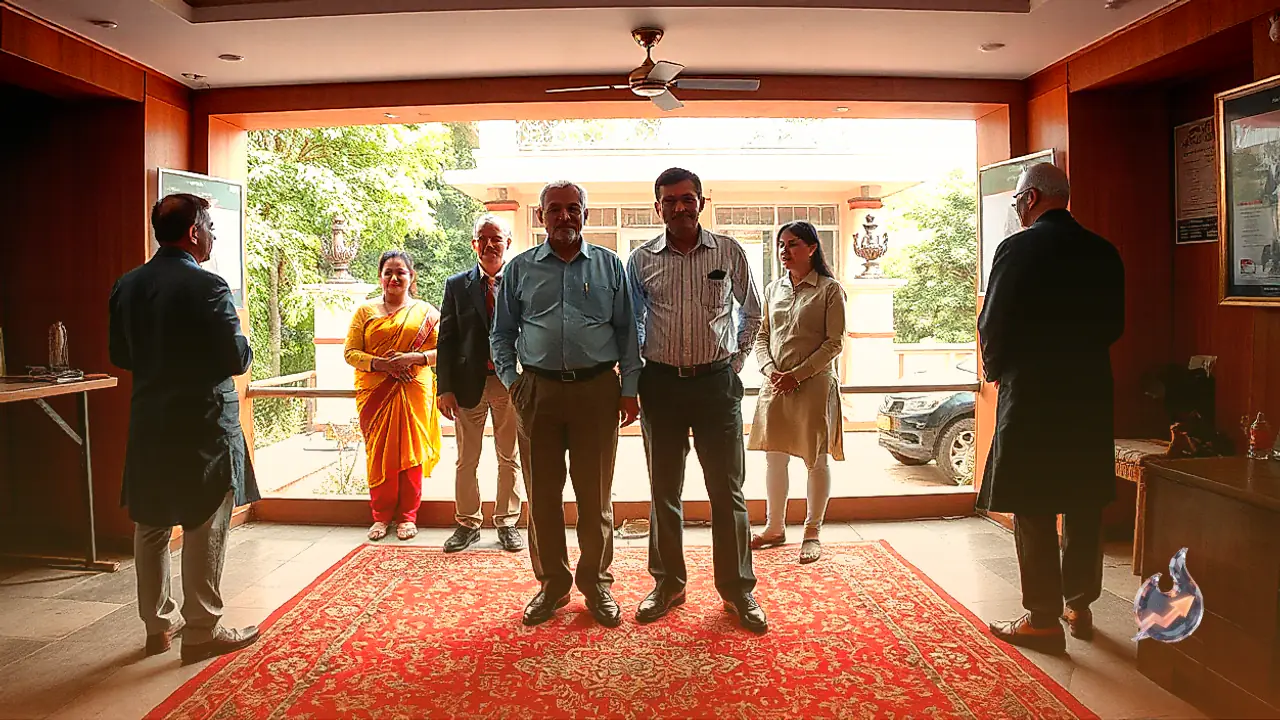














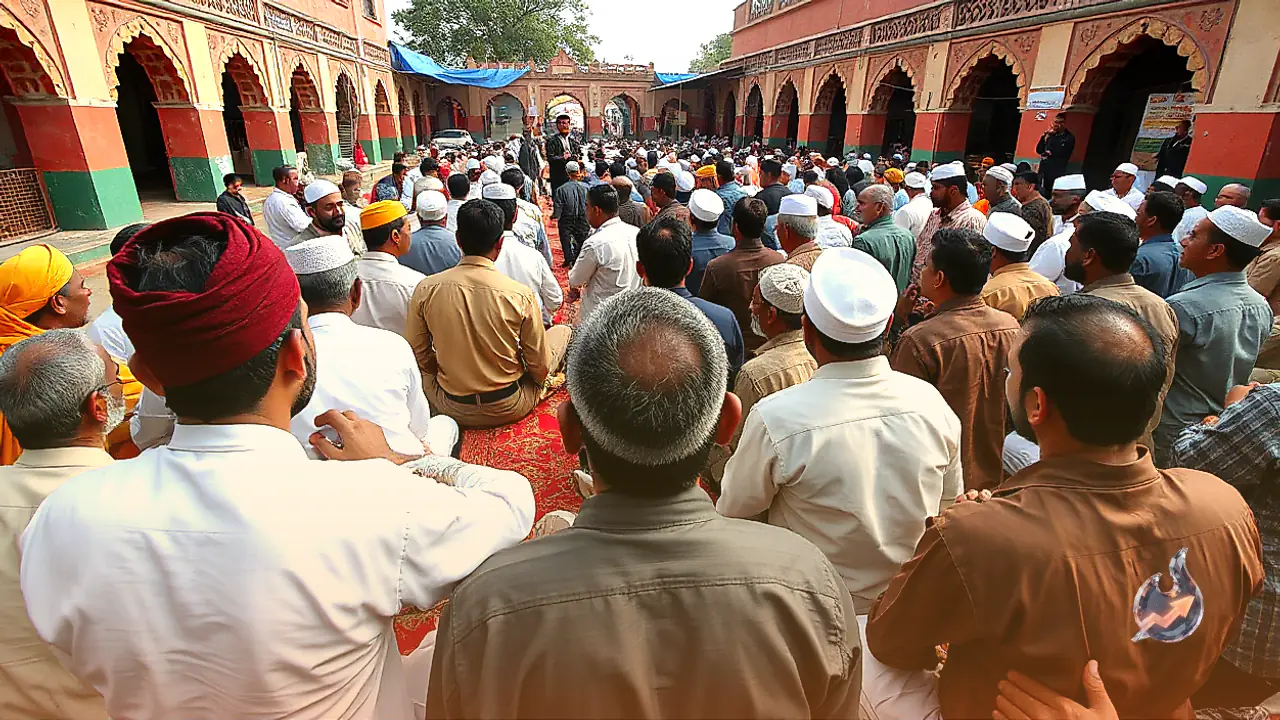

Addressing the second day of the Majlis-e-Muntazima convention organized by Jamiat Ulama-i-Hind in Nuh, Mewat, Haryana, national president Maulana Mahmood Madani delivered a wide-ranging speech addressing democratic values, communal harmony, and the state of minority rights in India. Madani underlined that the minority community resides in the country by historical right and shared sacrifice, firmly rejecting any narrative that seeks to diminish their citizenship status.
Concerns Over the Rule of Law and Democratic Values
Speaking to the gathering, Maulana Mahmood Madani stated that citizens are currently witnessing a critical period in which the democratic spirit and constitutional framework of the country face sustained pressures. He expressed deep concern over the prevailing social atmosphere, arguing that constitutional guarantees meant for minorities, Dalits, and Muslims appear increasingly vulnerable. According to Madani, the core foundation of the rule of law and the institutional delivery of justice are facing unprecedented strains that require collective national introspection.
The Legacy of 1947 and Freedom Struggle
Drawing attention to the historical setting of Mewat, Madani reiterated the enduring bond between the community and the homeland. He noted that at the critical crossroads of 1947, Indian Muslims explicitly rejected the two-nation theory, consciously choosing to stay and nurture the newly independent nation. Emphasizing that countless graves across the country stand as testament to the sacrifices made during the independence struggle, he remarked that any forces attempting to reduce citizens to a secondary status are directly undermining the values of democracy, freedom, and the Constitution.
Stakeholders in the Republic, Not Mere Tenants
Focusing on the prevailing socio-political environment, Maulana Mahmood Madani questioned the ideological and constitutional challenges facing marginalized communities and minorities today. He strongly pushed back against efforts designed to treat Muslims as second-class citizens, declaring that the community does not live as tenants in the nation but stands as rightful, equal stakeholders. He maintained that this status does not depend on the benevolence of any political party, as it was earned through the profound struggles and sacrifices of previous generations.
Critique of Bulldozer Action and Electoral Rhetoric
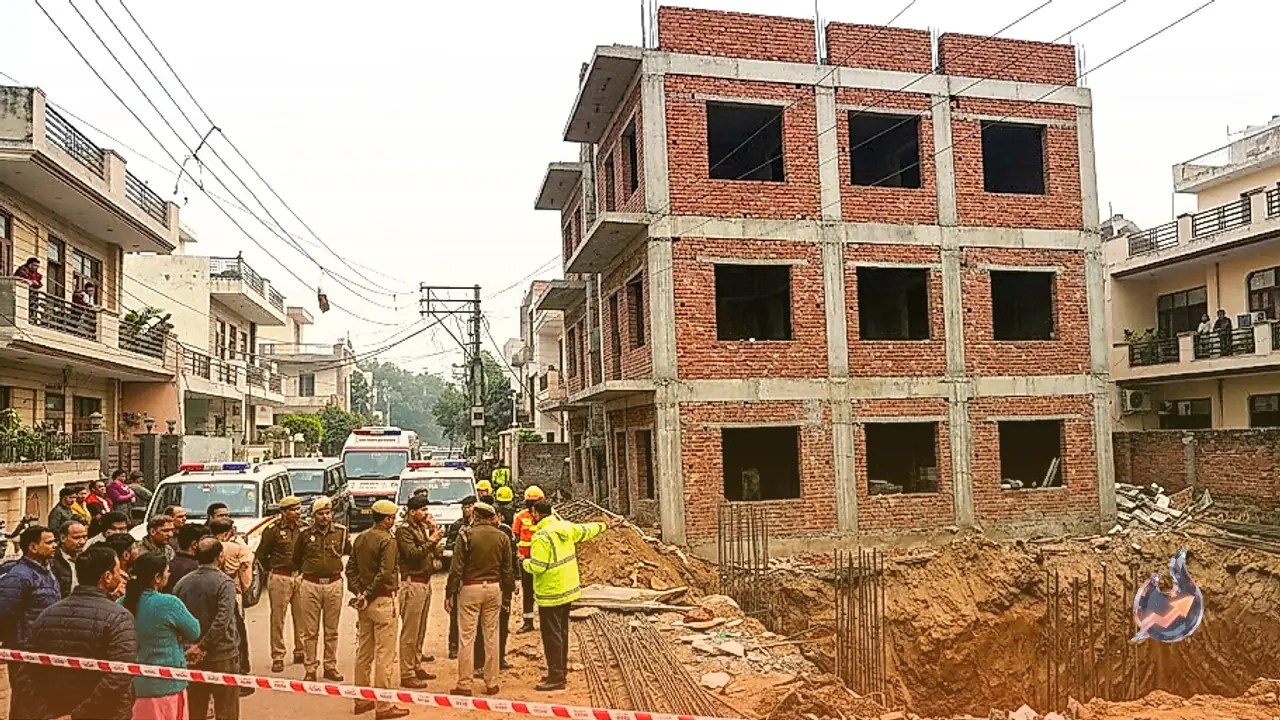
Madani also addressed recent trends in law enforcement, taking sharp aim at the growing normalization of bulldozer actions as a form of instant justice. He argued that when a bulldozer is deployed, it does not merely demolish structures of mortar and cement, but fundamentally strikes at the very concept of due process and legal fairness. Furthermore, he questioned the political rhetoric that attempts to portray the majority population of 100 crore people as suddenly under threat, contending that such artificial fears are deliberately manufactured by governments purely for electoral calculations.