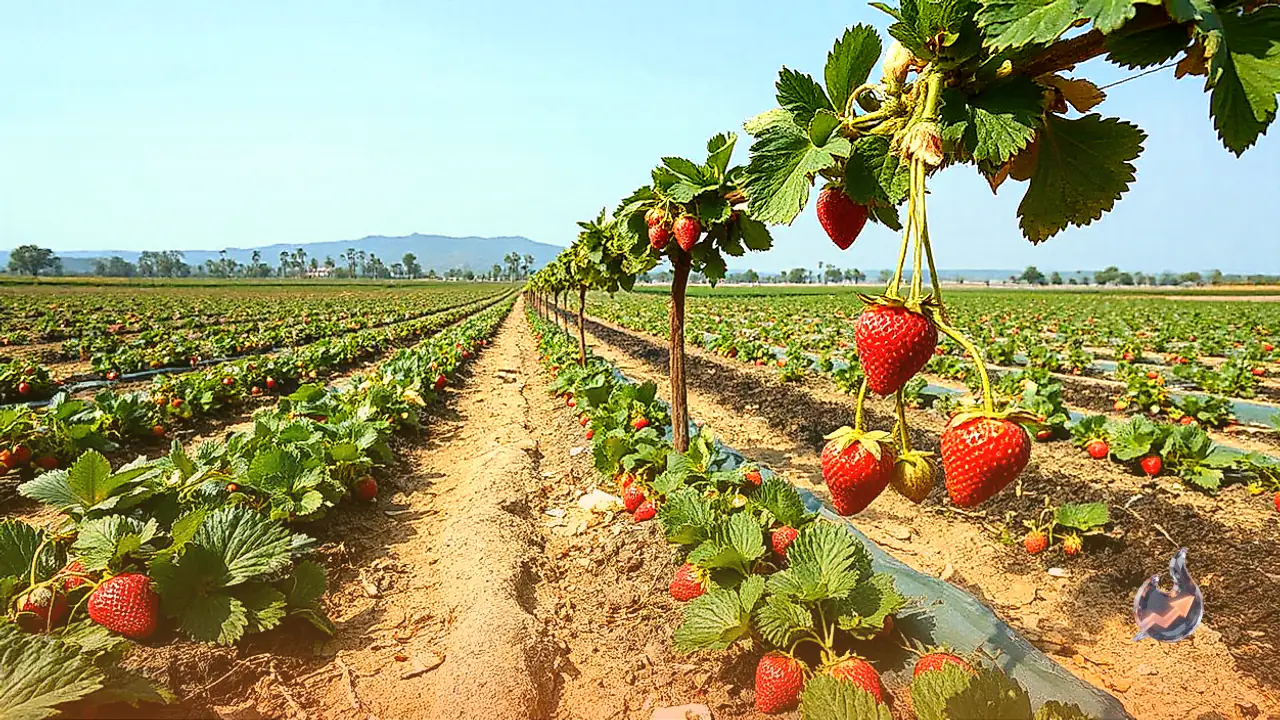





















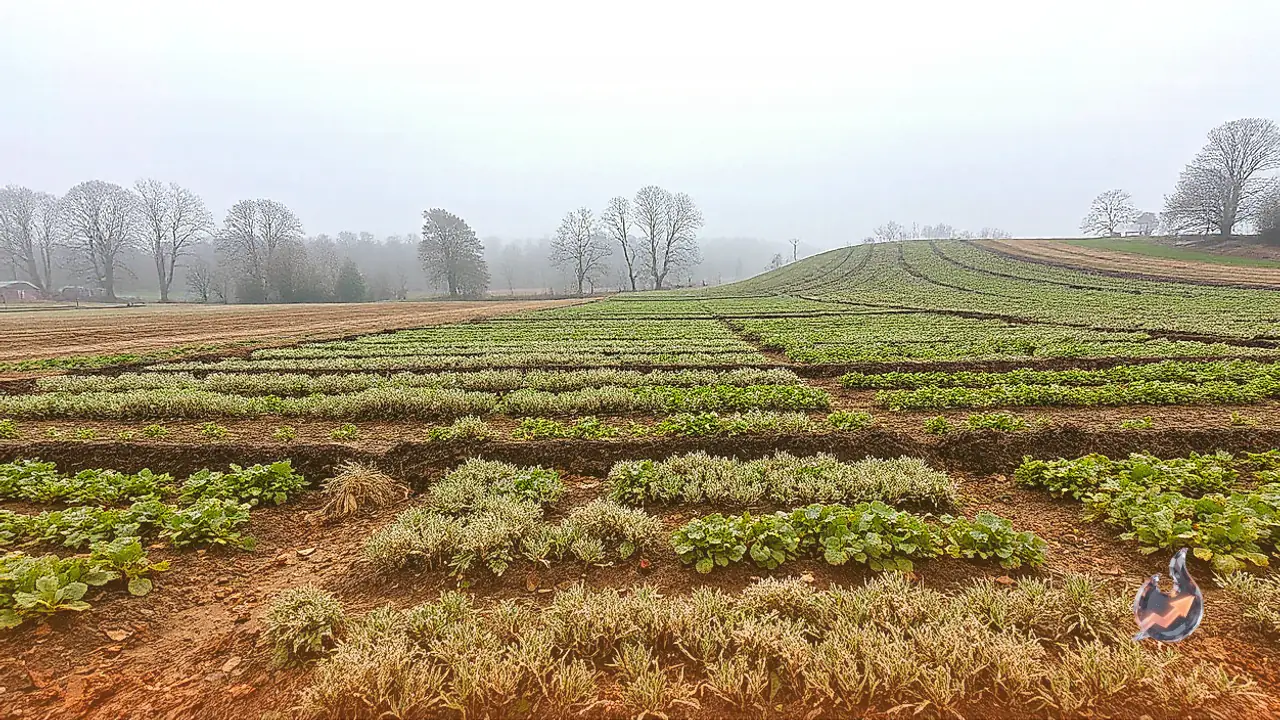

With the onset of the winter season, morning and evening temperatures have begun dropping noticeably across the region. This atmospheric shift impacts more than just daily human routines; it directly threatens standing vegetable crops and other delicate plants in the fields. During winter months, prolonged dense fog and frost become formidable hurdles for growers. Lush, thriving vegetable plots can deteriorate rapidly when exposed to these harsh conditions. Leaves turn yellow, main stems begin to decay, and essential crops like potatoes suffer acute damage. Without timely and proactive protective interventions, growers frequently incur heavy financial setbacks, making specialized winter crop care an immediate necessity.
Atmospheric Changes and the Spread of Fungal Diseases
Agricultural expert Ambika explained that seasonal shifts immediately manifest their consequences in the condition of cultivated fields. In cold weather, prolonged exposure to dense fog combined with soaring ambient humidity creates ideal breeding grounds for destructive fungal pathogens.
As moisture lingers without adequate sunlight, plant leaves begin rotting away, while fungal decay frequently attacks the plant base and lower stems. When severe frost strikes, potato crops and tender green vegetables take the brunt of the harm. Plant vegetative growth grinds to a sudden halt, impairing tuber enlargement and inflicting severe declines on ultimate yields.
Fungicide Regimens and Preventative Chemical Protection
Guarding against these environmental hazards demands disciplined preventive habits starting from sowing time. Growers ought to cultivate the regular practice of utilizing treated seeds exclusively, since seed dressing suppresses numerous pathogen hazards right at germination.
For farmers who have already sown crops using untreated seeds, immediate defense measures become necessary before dense winter fog settles in fully. Regular preventative applications of reliable fungicides, specifically metalaxyl, mancozeb, and carbendazim, are advised at 10-day intervals. However, farm owners must tailor chemical usage to the exact variety of disease observed and calibrate applications strictly under the guidance of an agricultural specialist.
Water Management and the Protective Value of Light Irrigation
Proper moisture control remains equally vital to shielding fields against severe winter damage. Stagnant water should never be permitted to collect inside the field, as excess standing water around root zones raises dampness and rapidly accelerates fungal propagation.
Whenever conditions indicate imminent frost, conducting a light irrigation across the crop rows serves as an effective defense mechanism. A timely, light watering moderates soil temperatures, softening the sudden chill that harms plant tissue. Farmers should avoid arbitrary, repetitive chemical applications without diagnosis, ensuring that the exact dosage and interval between sprays are always settled following agricultural expert counsel.