






















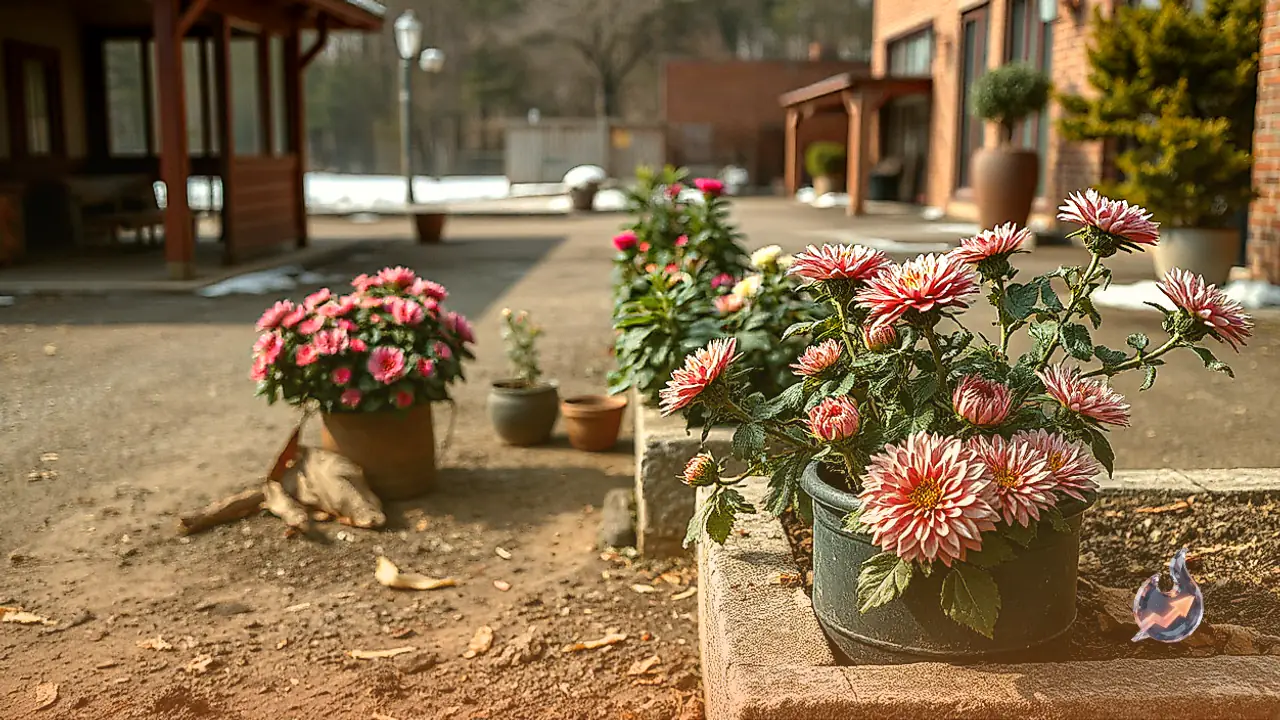

With the arrival of the winter season, gardening enthusiasts routinely turn to chrysanthemums to brighten up domestic balconies and garden spaces. Celebrated for vibrant multicolored petals and a gentle fragrance, this seasonal plant adds unmatched aesthetic value to home landscapes. Even so, plant keepers often encounter challenges where flower buds remain sparse or fail to open completely due to improper cultural practices. Applying practical horticultural steps can effectively resolve these growth issues. Nursery professional Abhishek from Thakur Nursery in Bokaro shared vital guidance on how to manage and nurture chrysanthemum plants for a full seasonal display.
Optimal Planting Period and the Role of Pruning
The month of August represents the ideal window to establish chrysanthemum plants. Preparing the plant properly during this phase and carrying out targeted pruning creates the foundation for prolific flowering later in the year. Timely trimming during August encourages the plant to generate multiple lateral shoots. A denser network of branches directly translates to a significantly higher number of flower buds once the winter cold sets in. Structuring the plant early ensures that its vegetative framework is sufficiently resilient to support heavy blossoming.
Soil Conditions and Proper Pot Dimensions
Healthy root systems and vigorous foliage require well-aerated, porous potting soil that guarantees quick drainage. Chrysanthemum plants thrive best when planted in containers measuring roughly eight to 10 inches across, or even slightly larger. Opting for a conventional clay or earthen pot offers distinct functional advantages. Earthen pots equipped with sufficient drainage holes prevent standing moisture around the root zone, significantly reducing the likelihood of root rot. Ensuring that excess irrigation water drains away without waterlogging the roots is critical for sustained plant health.
Daily Sun Exposure and Irrigation Practices
Adequate sunlight remains a non-negotiable requirement for bud formation and overall vigor in chrysanthemums. Pots should be positioned in spots that consistently receive approximately 7 to 8 hours of direct sunshine each day. Generous sunlight accelerates metabolic activity, strengthening the foliage and encouraging uniform flower development. Watering, however, must be approached with caution. Gardeners should strictly avoid saturating the soil with excessive moisture. Checking the soil moisture level first and irrigating only when the top layer turns dry prevents root suffocation and disease.
Pest Control and Branch Support Structures
Chrysanthemums remain susceptible to fungal infections and infestations by black aphids, both of which can compromise fresh leaves and tender stems. Regular inspection of the foliage helps detect early warning signs. At the first indication of pest activity, spraying a diluted neem oil solution helps safeguard the foliage without damaging the plant. In many instances, the absence of buds traces directly back to unseasonal pruning or excessive applications of fertilizers and water. Furthermore, as bud clusters multiply, the growing weight of developing blossoms can cause slender stems to bend or snap. Installing a support framework using wooden stakes or thin sticks keeps the branches properly aligned, protects loaded stems from snapping, preserves a bushy canopy, and encourages rapid development.