




















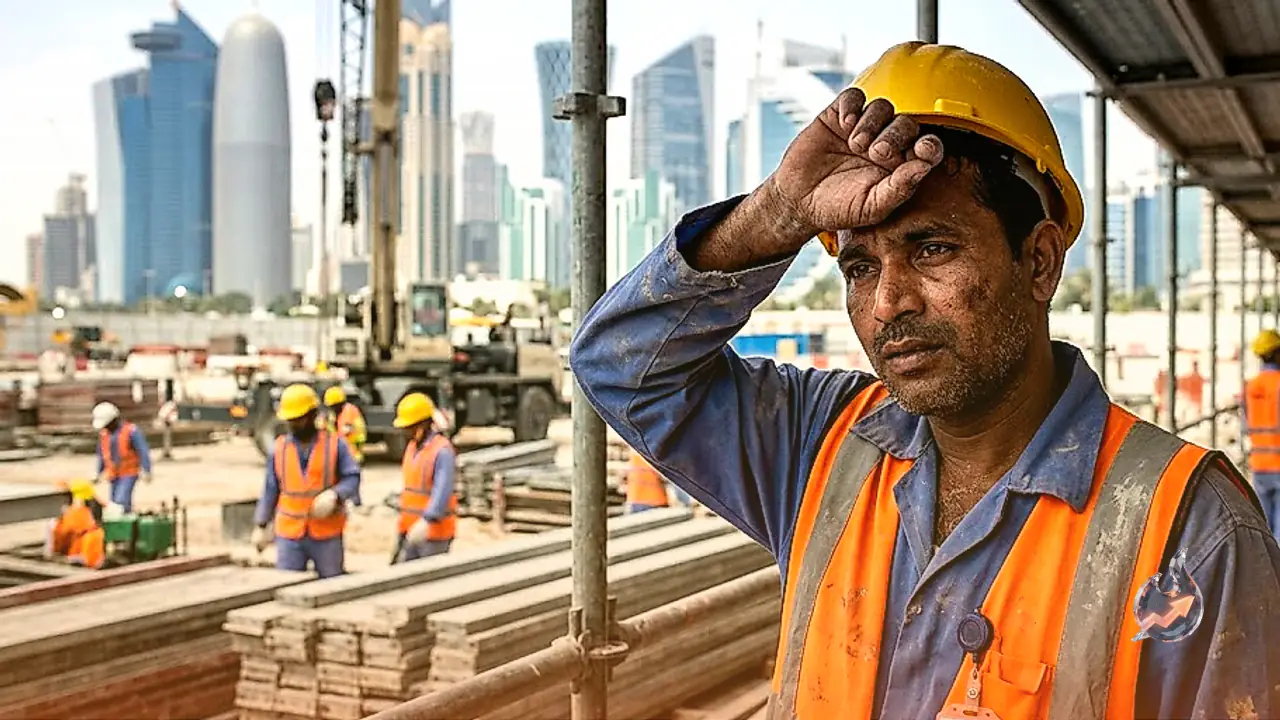

Gulf countries play a substantial role in the Indian economy, driving billions of dollars in remittances back home while also securing crucial crude oil and gas supplies. Millions of Indian nationals currently reside and work across the region. However, recently released data from the Ministry of External Affairs (MEA) highlights alarming working conditions faced by these migrant laborers. According to official figures, an average of three Indian workers lose their lives every week in workplace accidents across Gulf nations.
High Fatality Rates Across Gulf Nations
Data provided by the Ministry of External Affairs indicates that over 800 Indian migrant workers died in workplace accidents abroad between 2023 and 2025. Crucially, around 55 percent of these fatal accidents were recorded in the Gulf region alone. Renewed scrutiny over workplace safety standards followed an explosion in Qatar last month that claimed the lives of 12 Indian workers.
Country-specific statistics show that Saudi Arabia recorded the highest number of deaths during this period, with 182 Indian workers dying in workplace accidents, representing an average of more than one death per week. The United Arab Emirates (UAE) logged the second highest number, recording 128 Indian worker deaths. The MEA data also revealed that the majority of suicide cases among Indian migrants abroad during the same timeframe occurred in Gulf countries, pointing to the severe mental and physical strain experienced by workers.
Key Factors Behind High Workplace Fatalities
Representations from the Telangana NRI Migrants Association outline several critical factors contributing to the persistent loss of life. These include inadequate usage of protective gear, systemic non-compliance with safety protocols at work sites, technical flaws within industrial units, and insufficient skills training prior to deployment. Most Indian laborers in the region are employed in high-risk sectors such as construction, retail distribution, warehousing, and automobile maintenance.
Manda Bheem Reddy, Vice President of the Telangana NRI Cell, highlighted that workers sometimes neglect essential safety gear like helmets, protective boots, and gloves due to lack of awareness or proper supervision. Severe climatic conditions also compound health risks. Laborers frequently work long hours in extreme temperatures exceeding 45 degrees Celsius before returning to heavily air-conditioned living quarters, causing sudden thermal shocks that trigger serious cardiac and physiological issues.
Labor Exploitation and Compensation Deficits
BM Vinod Kumar, Chairman of the Telangana Government NRI Advisory Committee, noted widespread reports of unfair labor practices, including non-payment of wages for up to three months alongside forced 12-hour workdays. Even when paid, arbitrary wage deductions remain frequent. Crucially, employers often classify workplace accidental deaths as cardiac arrests or natural causes to avoid legal liability, leaving families unable to claim proper insurance compensation in most cases.
Government Support Structures and Safety Measures
Addressing the Rajya Sabha, Minister of State for External Affairs Kirti Vardhan Singh emphasized that the safety and welfare of Indian nationals abroad remain a top priority for the government. Key interventions include
- Establishment of Pravasi Bharatiya Sahayata Kendras (PBSK) in major hubs including New Delhi, Dubai, Riyadh, and Jeddah.
- Dedicated labor welfare cells within Indian embassies that hold regular Open Houses and consular outreach camps to resolve worker grievances.
- Mandatory recruitment of female ECR passport holders to Gulf countries strictly through authorized government agencies via the official e-Migrate portal to prevent exploitation.