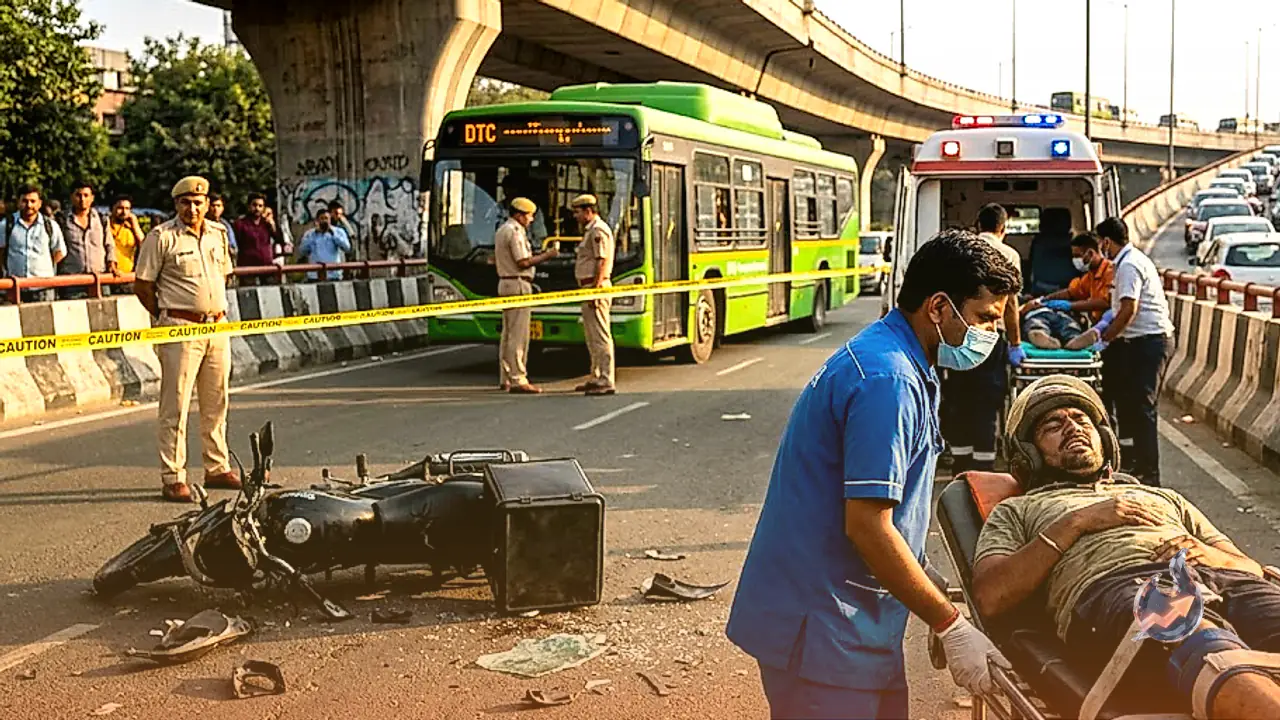




















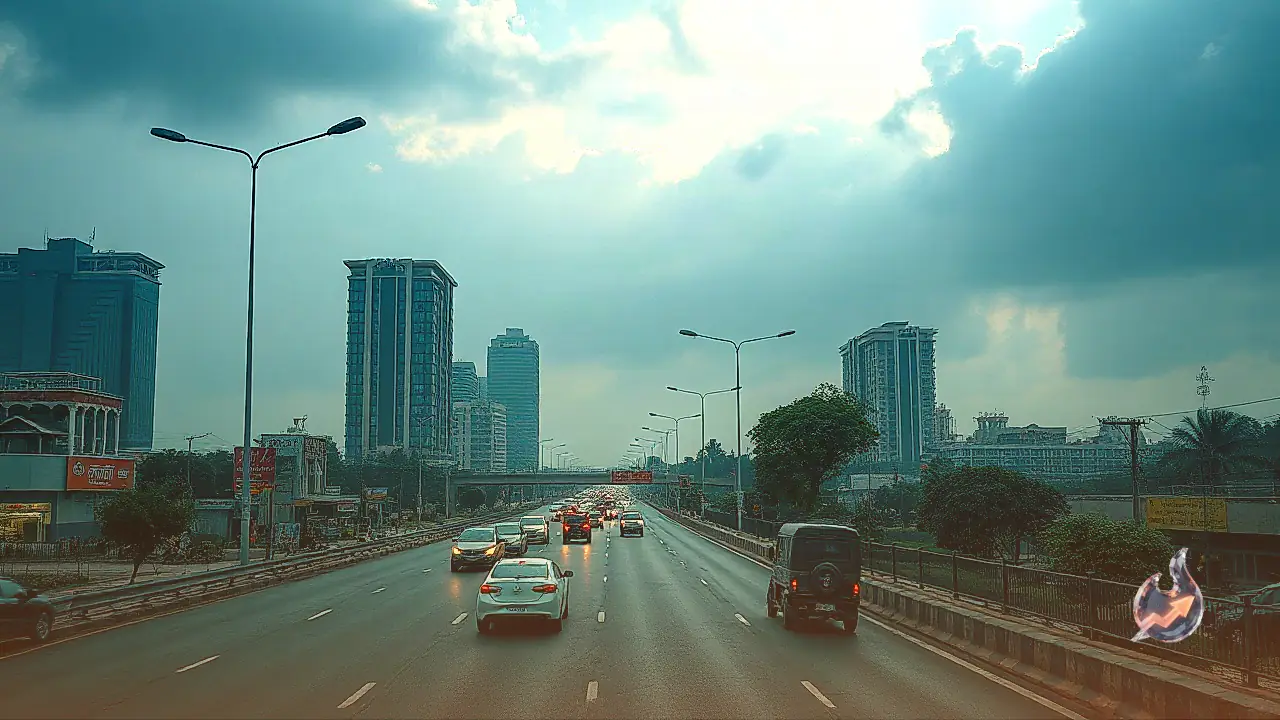

Across urban India, growing vehicular density presents persistent safety risks and crippling gridlock. Conventional traffic administration typically reacts only after a disaster strikes, launching inquiries and safety audits after lives are already lost. Aiming to break this reactive cycle, researchers at the Indian Institute of Technology Jodhpur have initiated a comprehensive scientific inquiry to detect perilous road conditions and congestion before they turn catastrophic. The primary objective is to shift road safety practices toward early hazard anticipation, pinpointing high-risk triggers that lead to fatal impacts and systemic congestion.
Integrating Advanced Engineering, Mathematics and Artificial Intelligence
The core research is underway at the institution's Transportation Systems and Traffic Modeling Laboratory. Led by Dr. Ranju Mohan, Associate Professor in the Department of Civil and Infrastructure Engineering and head of the laboratory, the interdisciplinary initiative brings together transport engineering, advanced mathematics, behavioral science, data analytics, and artificial intelligence. The researchers are analyzing how heterogeneous traffic flows operate when diverse vehicle types navigate identical road corridors. Through sophisticated mathematical and computational modeling, the team is deciphering the precise sequence of traffic events and behavioral warning signs that precipitate major vehicular choke points.
Advanced Driving Simulators Map Motorist Reactions
To evaluate driver psychology without jeopardizing human lives on live expressways, the laboratory uses an advanced driving simulator. This facility replicates real-world road environments, complex driving conditions, and environmental variables within a strictly controlled indoor setting. Investigators monitor how drivers perceive imminent danger, react under duress, and execute split-second maneuvers across diverse pavement and weather conditions. This research aligns with the Indo-Japanese bilateral collaboration under the JST LOTUS project. The joint endeavor studies the intricate relationship between physical roadway characteristics and human driving choices, laying the groundwork for more reliable and comfortable transit corridors.
Building the Comprehensive IDS Jodha Traffic Database
Because traffic conditions in India feature a highly mixed flow of two-wheelers, pedestrians, non-motorized transport, and heavy commercial vehicles, generic Western traffic algorithms frequently fall short. To overcome this limitation, the laboratory is constructing an extensive regional data repository named 'IDS Jodha'. This framework aggregates comprehensive field observations gathered directly across varied driving environments. By applying advanced artificial intelligence methodologies, specifically Graph Neural Networks, researchers map the complex interactions between moving vehicles and other road users. This computational technique isolates underlying operational hazards and subtle friction patterns that human observers often overlook.
Proactive Road Safety to Guide Infrastructure Engineering
The overarching philosophy guiding this initiative is 'Proactive Road Safety', which prioritizes hazard prevention over post-collision post-mortems. By merging live roadway data, simulator findings, vehicular flow dynamics, and human behavior metrics, the research team is formulating methods to recognize dangerous scenarios before they materialize into collisions. Scientists involved in the project emphasize that these insights can directly inform safer road geometric design, scientific signal timing, and sound regulatory policymaking. Ultimately, the laboratory strives to construct a balanced transportation network where infrastructure, vehicular technology, environmental context, and human behavior interact seamlessly to save lives.