





















Security and intelligence agencies across India have broken open the operational layers of an extensive cross-border espionage syndicate. The ongoing investigation into this network connected with Pakistan's intelligence outfit, the ISI, has expanded beyond the border belts of Punjab and Rajasthan to cover West Bengal and the national capital, Delhi. Collaborative operations conducted by central intelligence agencies, the West Bengal STF, and the Delhi Police Crime Branch have unearthed critical evidence. Investigators are currently focused on establishing how SIM cards registered in India were transported across borders and identifying the specific Indian contacts reached through these numbers.
Indian SIM Cards Operated from Pakistani Military Establishments
Technical evidence assembled by investigators has brought to light the alarming fact that SIM cards issued under the names of ordinary Indian citizens were actively functioning within Pakistan. These mobile numbers were utilized to register and activate user accounts on the messaging platform WhatsApp. Digital tracking and geographic location analyses confirmed that signals from these active WhatsApp accounts originated near military bases in Rawalpindi, Lahore, and Karachi in Pakistan.
A primary focus of the probe centers on mobile numbers procured from Cooch Behar and Uttar Dinajpur districts in West Bengal. Official registration records indicate these SIM cards were obtained under the names of Rozina Bibi, Zafar Ali, Azharuddin, Mohammad Shafiqul Islam, and Noor Nasiruddin Ali. Investigating officers face the core task of determining how SIM cards purchased using Indian identity documents reached military zones in Karachi and Rawalpindi. Forensic analysis confirmed that the One-Time Password (OTP) necessary for activating WhatsApp was entered while the physical SIM cards were located inside Pakistan, demonstrating that Pakistan-based operatives directly controlled the accounts.
Investigative teams are currently compiling comprehensive logs of all voice calls and text messages dispatched to Indian numbers using these accounts. Authorities suspect foreign operatives attempted to extract sensitive intelligence concerning strategic defence installations, security protocols, or command control centers across India. Officials are determining whether confidential data was actually exfiltrated across the border or if communications remained confined to preliminary contact establishment.
International Transit Route Through Bangladesh and Nepal
The multi-jurisdictional inquiry indicates that the network extended beyond India and Pakistan, involving logistical hubs in neighboring Bangladesh and Nepal. Investigators identified Akbar Hossain, alias Samrat, a resident of Rangpur in Bangladesh, as a key figure in the operation. Security agencies suspect Akbar Hossain operated near the India-Bangladesh border, maintaining direct communication with primary espionage handlers based in Pakistan.
Investigating officers suspect SIM cards were initially gathered from Indian border villages and smuggled across the frontier into Bangladesh. The SIM cards were subsequently routed to Pakistan via air and ground transit passing through Dhaka, Bangladesh, or Kathmandu, Nepal. The involvement of a Nepalese citizen named Vishal Shah is under active investigation for facilitating transit through Kathmandu. Law enforcement agencies are linking every element of this international supply chain to dismantle the illicit SIM trafficking structure.
Cooch Behar Local Links and Formal FIR Proceedings
As law enforcement probed local connections in West Bengal's Cooch Behar district, three residents came under scrutiny: Mohammad Shafiqul Islam, Noor Nasiruddin Ali, and Rashidul Haq. Intelligence reports indicate these three individuals maintained regular contact with Bangladeshi national Akbar Hossain, alias Samrat. Police are examining whether their role involved physical SIM procurement and transport or if they functioned purely as communication links.
Formal legal proceedings have been initiated at the Sahebganj Police Station in Dinhata, located in Cooch Behar district. A joint team comprising Sahebganj police officers and West Bengal STF personnel is examining Call Detail Records (CDR), cell tower data, and financial trails associated with the registered FIR. The legal action aims to destroy the border syndicate engaged in acquiring SIM cards under third-party identities for illicit international transmission.
Arrest of Software Engineer Pradipta Basu in Delhi's Houz Rani
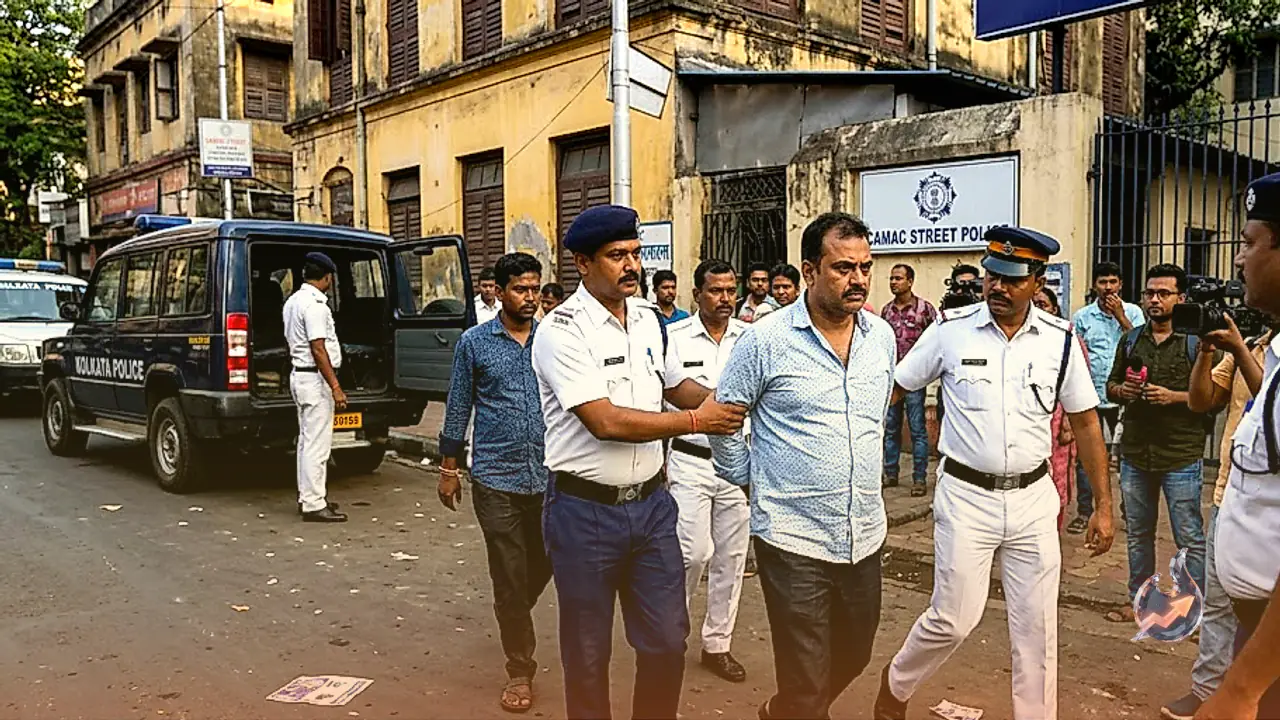
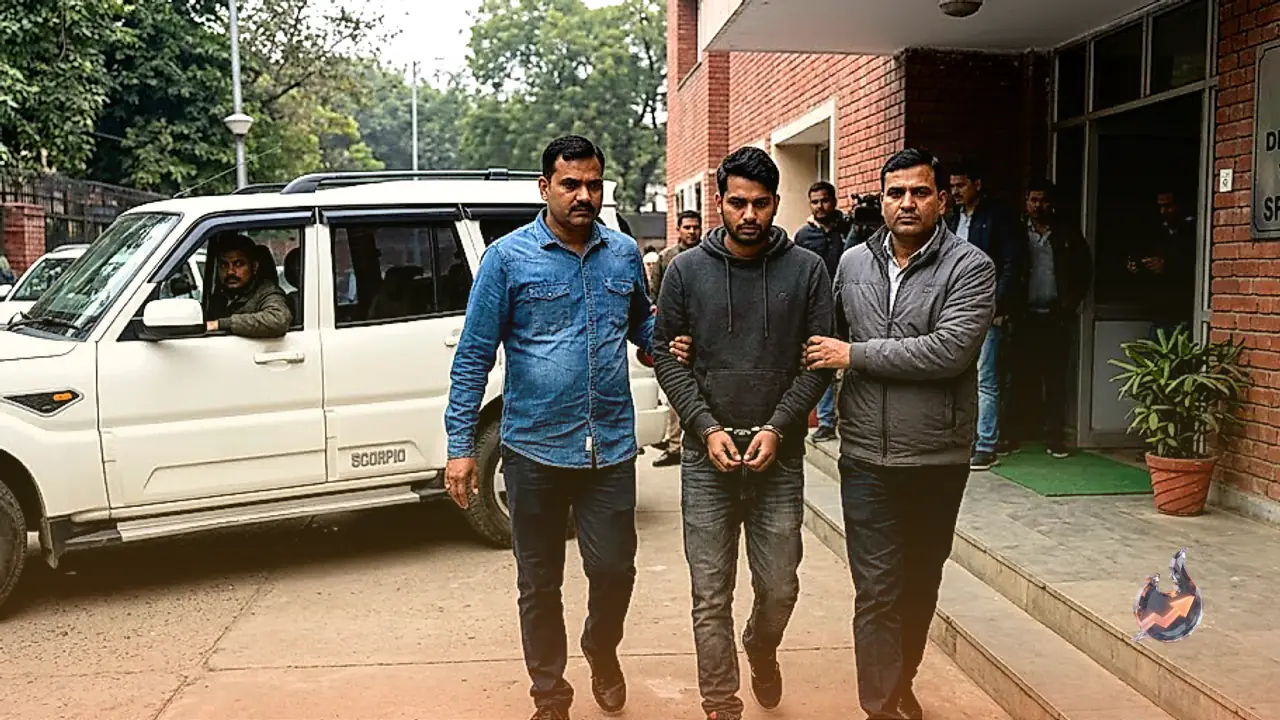
A major breakthrough occurred when a joint tactical team from the West Bengal STF and the Delhi Police Crime Branch conducted a raid in South Delhi. Officers arrested Pradipta Basu from the Houz Rani locality. Basu, a software engineer originally hailing from West Bengal, had been under surveillance due to suspected ties with Pakistan's ISI and facilitating technical support for espionage operatives.
Investigations revealed that Pradipta Basu had been staying in a rented room in Houz Rani for 10 days prior to his arrest, maintaining contact with several Bangladeshi nationals. During initial questioning, he claimed these Bangladeshi citizens arrived in Delhi for medical treatment, and he was assisting them with accommodation, meals, and hospital paperwork. Agencies are investigating whether the medical assistance setup was a front created to harbor foreign nationals involved in covert intelligence activities.
Border Money Exchange Operations and Financial Audit
Further background checks into Pradipta Basu revealed his active involvement in currency exchange businesses along the India-Bangladesh border region. This financial dimension is considered a cornerstone of the ongoing probe. Consequently, security agencies are auditing his bank accounts, digital payments, and cross-border currency transfers. Police are tracing the destination of funds processed through his money exchange operation to ascertain if money was funneled to buy SIM cards or finance foreign operatives.
The police FIR names seven individuals: Mohammad Shafiqul Islam, Rashidul Haq, and Noor Nasiruddin Ali from Cooch Behar; software engineer Pradipta Basu arrested in Delhi; Akbar Hossain alias Samrat from Rangpur, Bangladesh; Bangladeshi national Omar; and Nepalese national Vishal Shah. Authorities are working to identify additional unnamed accomplices. Law enforcement agencies continue a comprehensive audit covering inter-suspect communications, mobile call logs, WhatsApp records, physical SIM movements, financial transfers, and international intelligence links.