






















Securing strong agricultural yields demands far more than just hard labour and reliable irrigation access. A fundamental driver of success is whether a grower aligns crop selection and seed genetics with the precise physical properties of the soil. It is commonplace across farming belts for entire communities to cultivate uniform crops and single seed lines without assessing subterranean characteristics, even though soil structures can change within short distances. This geographic variation is prominently visible in the Rewatipur area of Ghazipur district, Uttar Pradesh. Across individual territorial parcels within the single revenue village, ground dynamics differ markedly, making pre-sowing soil evaluations and variety matching essential steps for farm profitability.
Disparate Soil Textures Across 14 Mauzas and Crop Outcomes
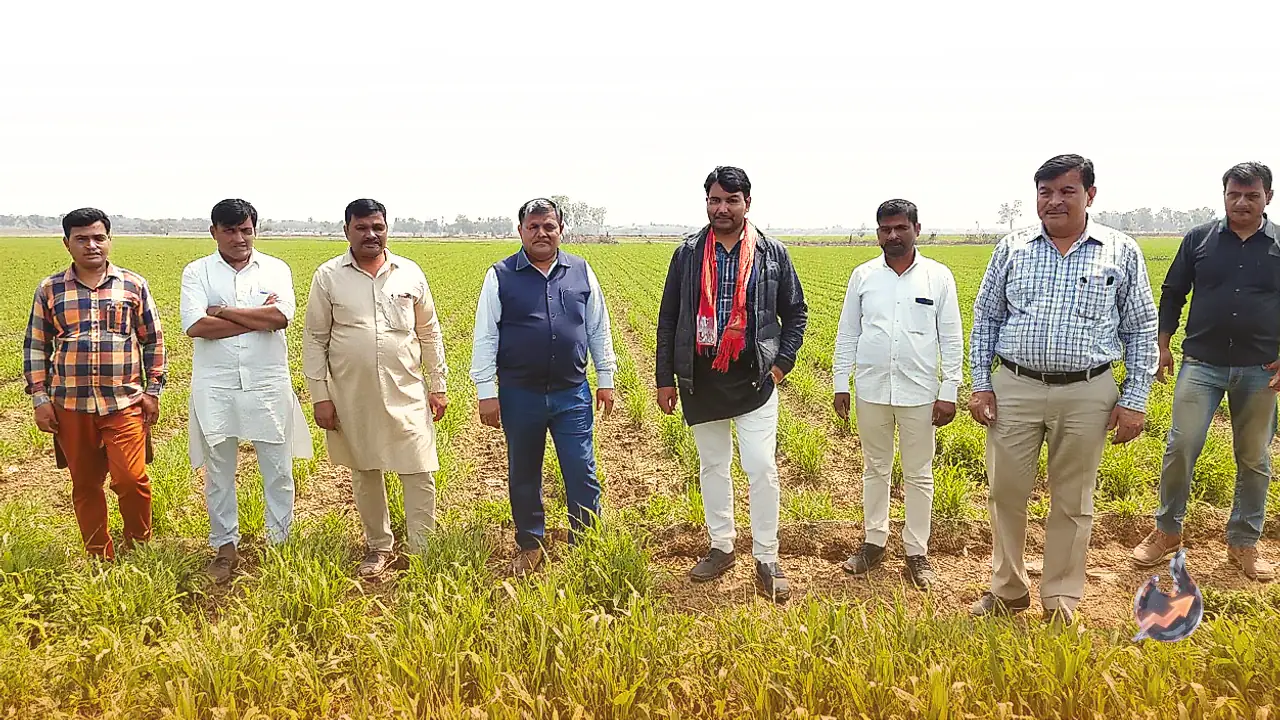
According to Dheeraj, Technical Assistant Manager in the Agriculture Department, the village of Rewatipur comprises a total of 14 distinct revenue units, known locally as mauzas, and their soil formations are far from uniform. Some territorial sections feature dense black loam, whereas other tracts are dominated by sandy loam compositions. This pedological divergence exerts a direct influence on plant root establishment, vegetative vigour, and final harvest volumes, penalising growers who employ uniform farming practices across dissimilar land parcels.
Black loam soils are widely recognised for their strong moisture retention traits and high capacity to supply essential plant nutrients throughout the crop cycle. In sectors featuring this profile, sowing pulse and oilseed varieties consistently delivers superior returns. Conversely, sandy loam parcels present rapid water percolation and fast drainage. Recognising this condition, cultivators across these specific sandy loam zones deliberately prioritise potato cultivation, as the loose, well-drained medium facilitates proper tuber expansion and prevents waterlogging risks.
Pea Cultivation Versus Potato Production
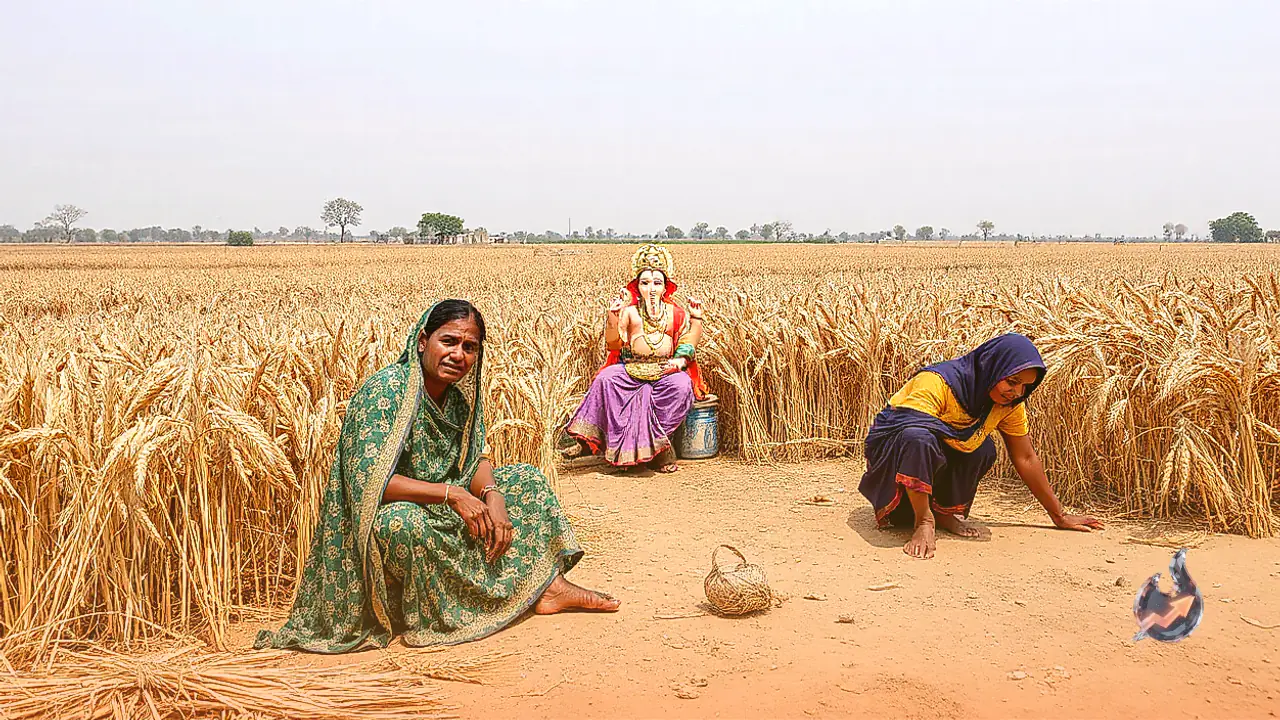
Pea farming represents a prominent traditional crop enterprise across the wider Rewatipur territory. Technical agricultural personnel confirm that certain localized soil compositions in the region create exceptional conditions for pea yields, ensuring solid pod formation and high produce quality. Meanwhile, operators cultivating sandy loam patches consistently lean towards potato crops. These contrasting practices demonstrate that even agriculturalists working in the same village boundaries must base cropping decisions on specific soil tests and local micro-environments rather than following the seasonal trends of neighbouring fields.
Promotion of Pulses, Oilseeds, and Seasonal Seed Inflows
The state agricultural administration is actively promoting the acreage of pulse crops, specifically field peas, chickpeas, and lentils, alongside mustard as the primary rabi oilseed. Beyond direct harvest economics, pulse plants play an ecological role in improving subterranean fertility; active Rhizobium bacteria colonising root nodules fix free atmospheric nitrogen directly into the soil, reducing supplemental urea needs for subsequent crop cycles. Concurrently, expanding oilseed plantings offers agricultural families an entry point into culinary oil generation and lucrative commercial supply chains.
To support this acreage expansion, certified seed reserves have been mobilized at government storage depots. Technical Assistant Manager Dheeraj confirmed that regional distribution centres currently hold reliable stocks of certified pea, mustard, chickpea, and lentil seed lots. Additionally, certified wheat seed shipments have started arriving, giving growers early opportunities to purchase guaranteed planting stock ahead of peak rabi sowing dates.
Subsidy Disparities Between Seed Ages and E-Lottery Allocation
Clear financial differentials govern government support mechanisms for certified seed lines. Agriculture Department regulations state that newly introduced seed varieties released less than 10 years ago qualify for higher subsidy slabs. Conversely, varieties carrying release dates older than 10 years receive scaled-down financial concessions, a policy intended to encourage rapid adoption of modern, high-yielding, and disease-resistant genetic strains. However, exact financial relief figures continue to fluctuate depending on the specific crop category, variety classification, and operational agricultural scheme.
Alongside subsidized retail sales, the department is distributing free pulse demonstration mini-kits covering peas, chickpeas, and lentils to eligible farming families. In an effort to ensure administrative transparency, these demonstration packages will be allocated entirely through an automated e-lottery platform. Mere completion of registration on the departmental portal does not guarantee receipt; distribution will be restricted to applicants selected through the computerized draw. While primary seed consignments remain accessible via subsidized sale points, designated mini-kits will reach lottery winners completely free of cost.
Essential Checkpoints Before Purchasing Seed Stocks
Agronomists urge agricultural producers not to base seed purchasing choices purely on retail pricing, attractive packaging, or brand reputations. Sowing plans must rigorously weigh the field's underlying soil profile, seasonal water accessibility, sowing windows, irrigation infrastructure, and expected regional climate trends. Consulting village-level technical advisers to secure location-suited, certified varieties remains the most effective safeguard against crop loss, confirming that uniform farming advice cannot suit every parcel across diverse agricultural landscapes.