

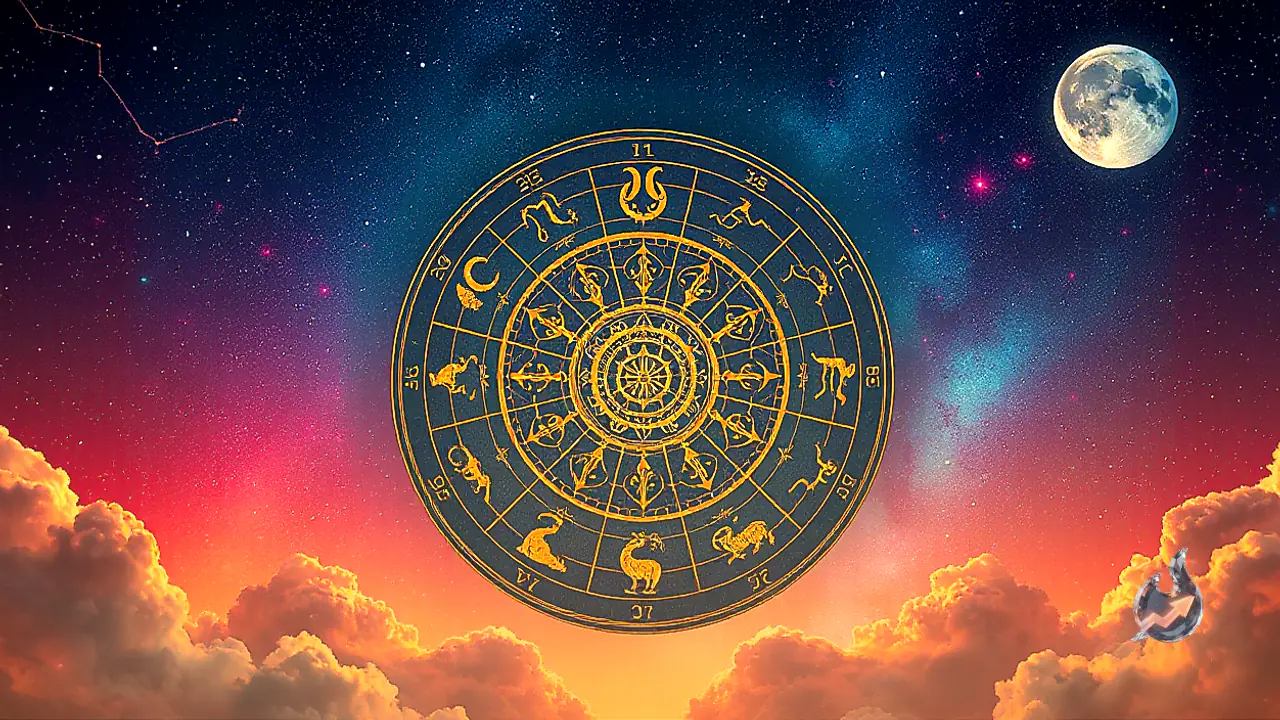























The festival of Diwali is celebrated with deep devotion to welcome goddess Lakshmi and usher peace, wealth, and general prosperity into homes. Alongside rigorous cleaning and ritual prayers on this auspicious day, many devotees install a Shri Yantra in their prayer spaces. Traditional beliefs hold that venerating the Shri Yantra generates a steady flow of constructive energy, driving out negativity and inviting sustained abundance. Because modern markets feature numerous versions of this sacred diagram, picking an authentic and suitable yantra is essential for those observing the tradition.
The Sacred Geometry and Spiritual Meaning of the Shri Yantra
Astrologer Akhilesh Pandey explains that the Shri Yantra is regarded as an authentic representation of goddess Lakshmi. The diagram relies on an intricate religious and geometric pattern formed by the union of multiple distinct triangles. At its core, nine interlocking triangles intersect with precision to generate a sacred pattern recognized throughout Hindu tradition as a symbol of fortune, well-being, and material harmony. Regular worship of this geometry is believed to cultivate a serene environment and preserve divine grace in the household. These deeply held associations make the festival of Diwali a prime time for families to set up and venerate the sacred object.
The Multi-Tiered 16D Form and Divine Associations
While various versions can be spotted across shops, the 16D Shri Yantra is revered as an especially potent manifestation of goddess Lakshmi. Built with an elevated pyramid shape, it incorporates several distinct chambers and tiers. Every single compartment carries its own sacred importance, acting as a focal point connected to specific deities within traditional spiritual hierarchy.
The highest level of this pyramid structure is consecrated for the worship of the Shivling, while the surrounding tiers are allocated for prayers directed at Lord Vishnu and Lord Brahma. Tradition asserts that this intricate geometry serves as an abode for 16 crore deities, allowing a devotee to offer veneration to the entire pantheon simultaneously. Because of this complete spiritual architecture, it is looked upon as the direct 16D embodiment of goddess Lakshmi herself.
Material Choices: Sphatik and Copper Placement Recommendations
Selecting the right medium is equally consequential for spiritual seekers hoping to receive blessings. A Shri Yantra carved from sphatik, or pure crystal, is regarded as particularly auspicious and pure. To worship a sphatik yantra correctly, it is recommended to place it neatly upon a silver plate. On the other hand, a yantra crafted on copper is suggested for placement inside a personal home temple, right beside a secure cash safe, or directly on a prominent wall. Adhering to these practical guidelines regarding material and position helps ensure the yantra is treated with due reverence and brings a sense of spiritual stability to the residence.