


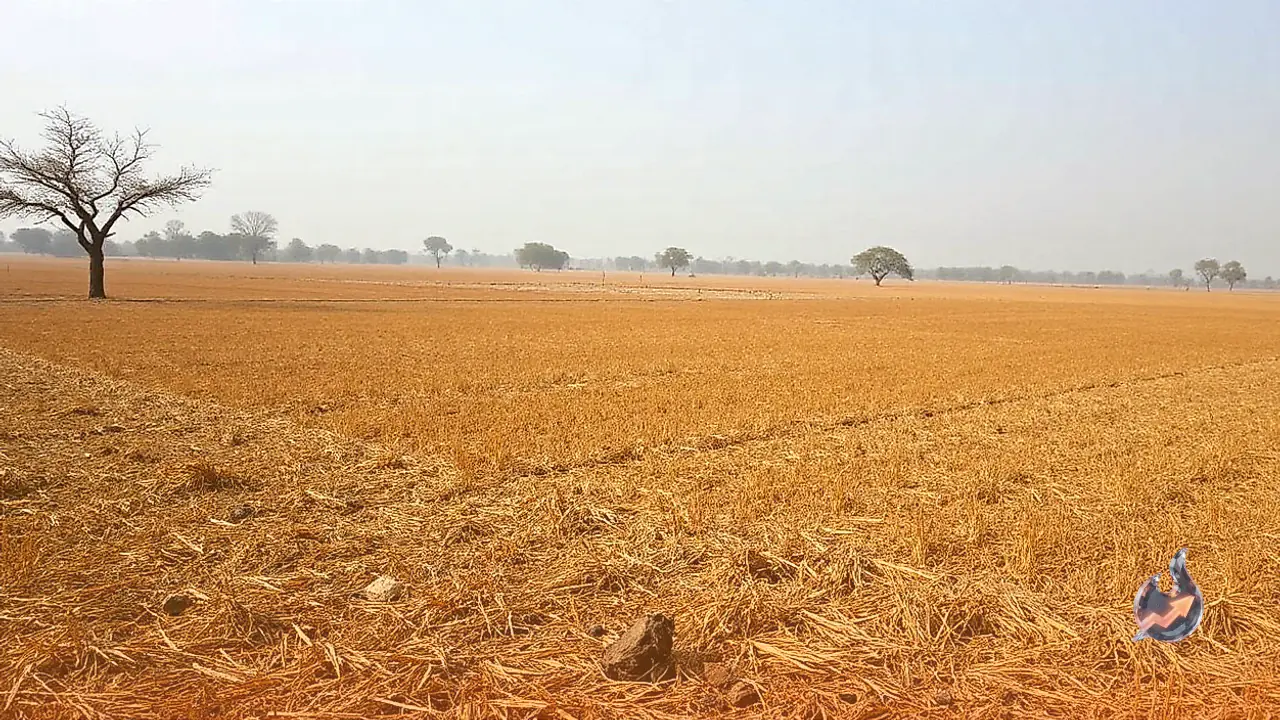
















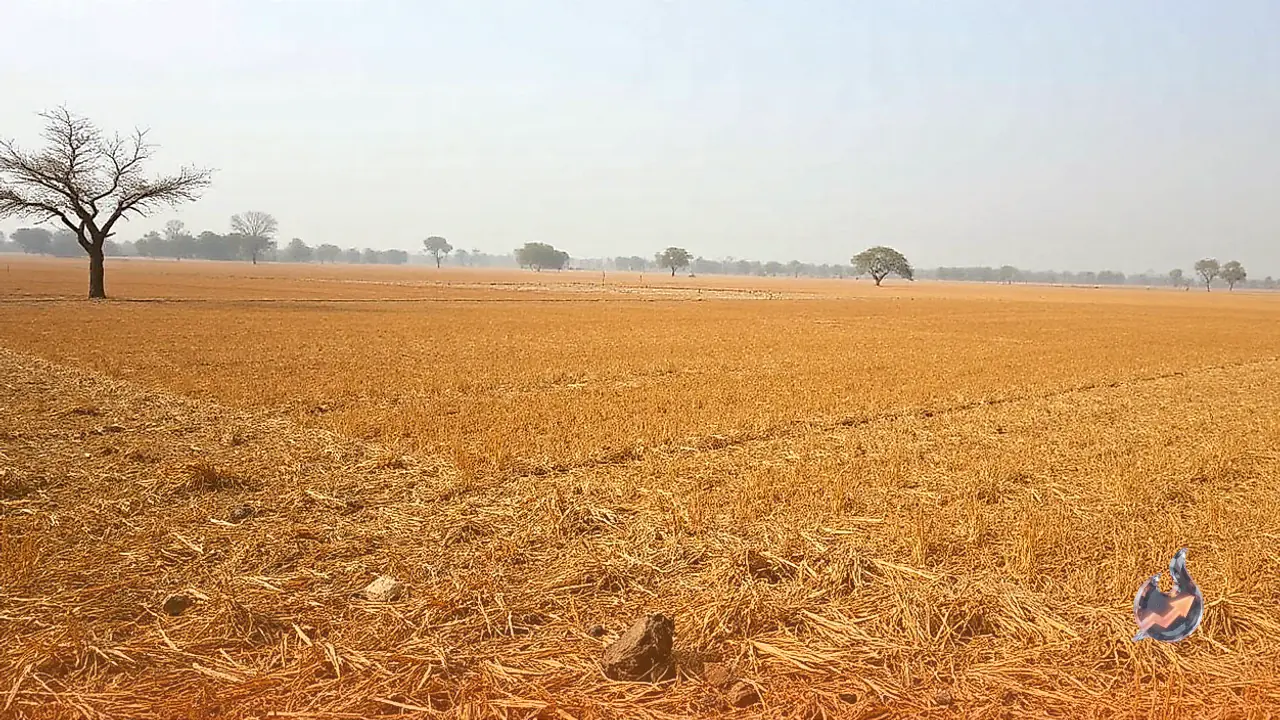

Stubble burning incidents in Punjab continue to occur without any effective containment, as farmers persist in setting crop residue on fire across the state. Following a record number of burning events reported around the festival of Diwali, the total count of such incidents during the ongoing paddy harvesting season has now climbed close to the six thousand mark, severely affecting regional air quality.
Top five districts emerge as major pollution hotspots
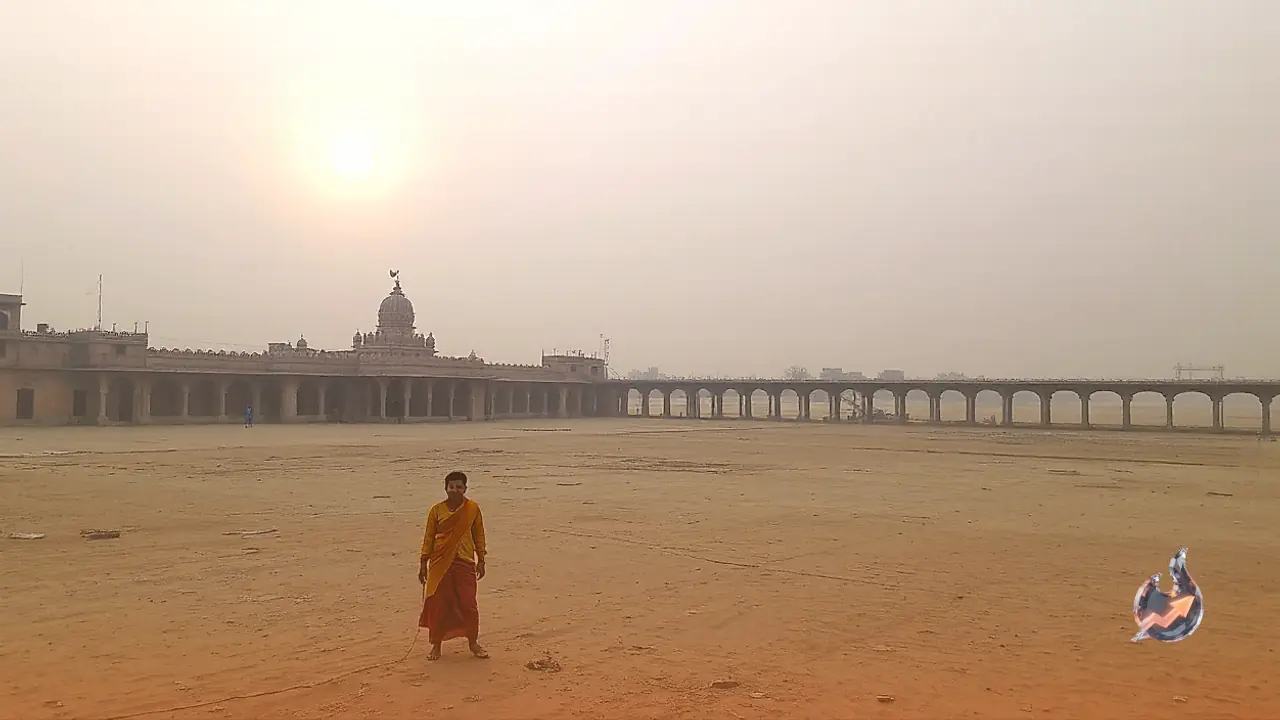
On September 15 alone, as many as 137 cases of crop residue burning were officially recorded across Punjab. With these additions, the total tally of stubble burning events for the current harvesting season has advanced to 5972. The majority of these violations are concentrated in five major districts of the state. Firozpur leads this list as the top district, followed closely by Tarn Taran, Sangrur, Bathinda, and Patiala. These specific areas have transformed into the biggest pollution hotspots of the season, accounting for more than half of the total burning incidents registered statewide.
Administration enforces penalties and strict legal actions
To curb these persistent stubble burning practices, the local administration has stepped up disciplinary measures against violators. Authorities have imposed a cumulative environmental compensation fine of approximately ₹11185000 rupees on errant farmers, out of which an amount of ₹4055000 lakhs has been successfully recovered so far. In addition to financial penalties, strict legal steps have been initiated under the Bharatiya Nyaya Sanhita, leading to the registration of 1859 FIRs against those flouting norms. Furthermore, official revenue records for agricultural land now contain 2046 red entries marked against the violators.
Severe health crisis grips the national capital
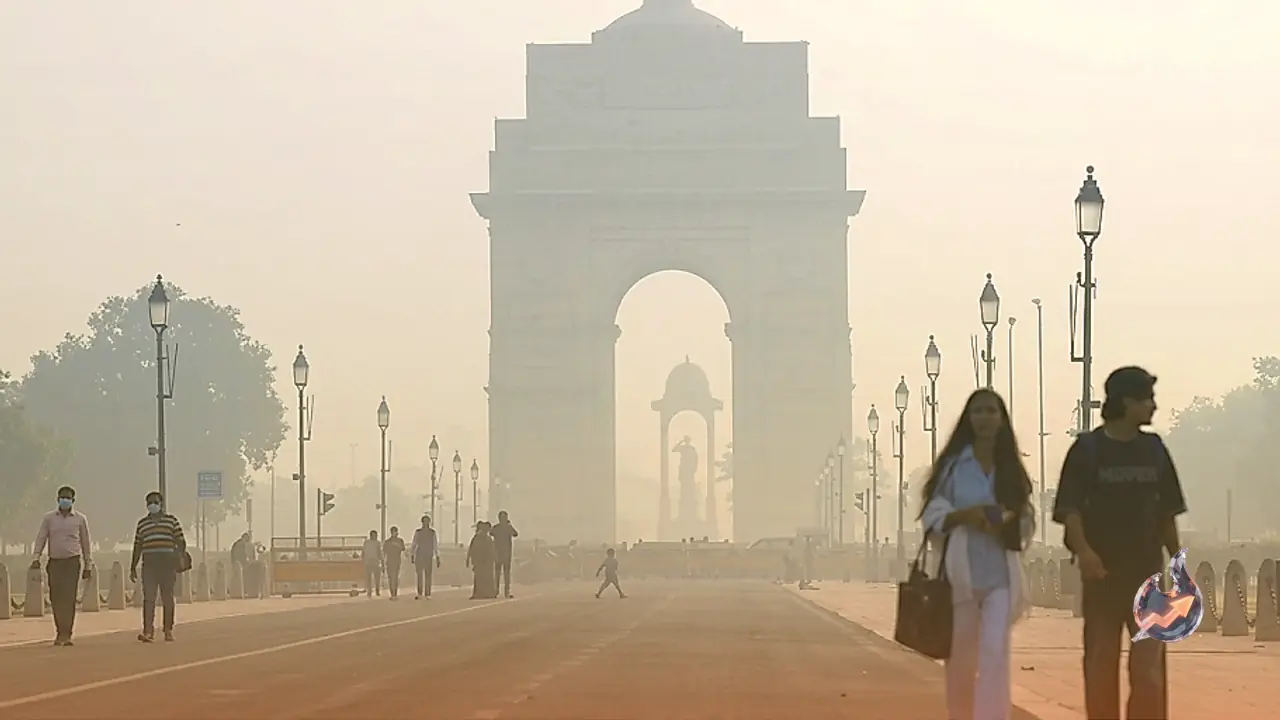
The thick smoke drifting from Punjab's agricultural fields is having a direct and adverse impact on Delhi and the wider National Capital Region. This massive influx of smoke worsens the local air pollution, making it increasingly difficult for people to breathe normally. The average air quality index in Delhi currently falls within the poor category. According to projections by the Central Pollution Control Board, pollution levels are expected to rise further starting Tuesday, heightening concerns. Meanwhile, this escalating environmental crisis has also triggered intense political rhetoric and blame games among leaders.