


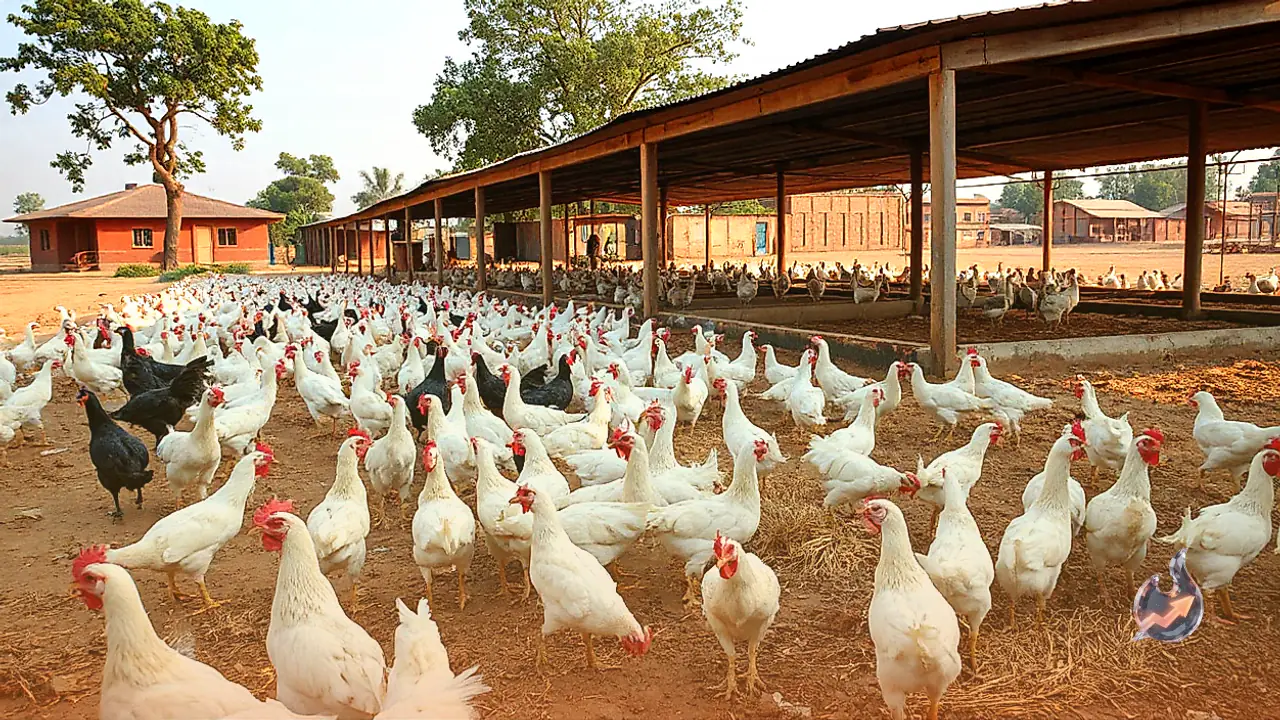

















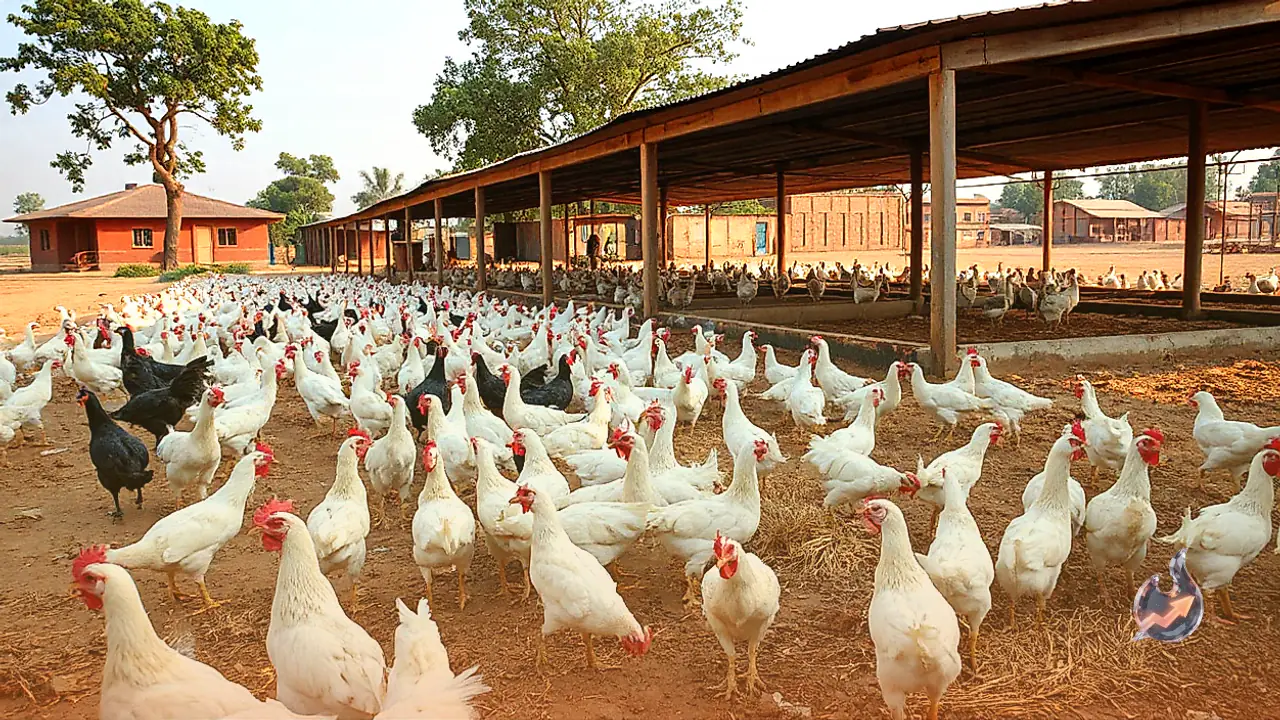

For rural agriculturists seeking supplementary revenue streams beyond traditional crop cultivation, livestock and poultry rearing consistently present viable economic opportunities. The specific regional climate and weather conditions across Chhattisgarh provide a favourable setting for specialized animal husbandry, prompting growers to diversify their daily operations. Particularly within the Balod district, agricultural producers are increasingly integrating a distinctive poultry breed into their routine to bolster their financial standing.
Expanding Popularity Across Balod and Bastar
Devendra Sihare, Deputy Director at the Balod Animal Development Department, explained that this particular avian breed functions as an effective mechanism for generating secondary income for local cultivators. While the Bastar region has historically served as the primary production hub for these birds, rural participants in Balod are now displaying considerable interest in rearing them. A key advantage of this undertaking is that it eliminates the necessity for extensive infrastructure or complex resources, making it accessible to small-scale operators.
Nutritional Value and Distinct Meat Quality
According to expert observations, this breed has traditionally been utilized within the Bastar territory for local competitive events as well. In terms of yield, the eggs closely resemble those produced by standard indigenous hens, whereas the meat possesses distinguishing characteristics that set it apart in the marketplace. The specific texture and flavour profile of the meat give it a unique market identity. Furthermore, it contains substantial protein content, which renders it clinically valuable from a nutritional perspective.
Low Investment and Strong Disease Resistance
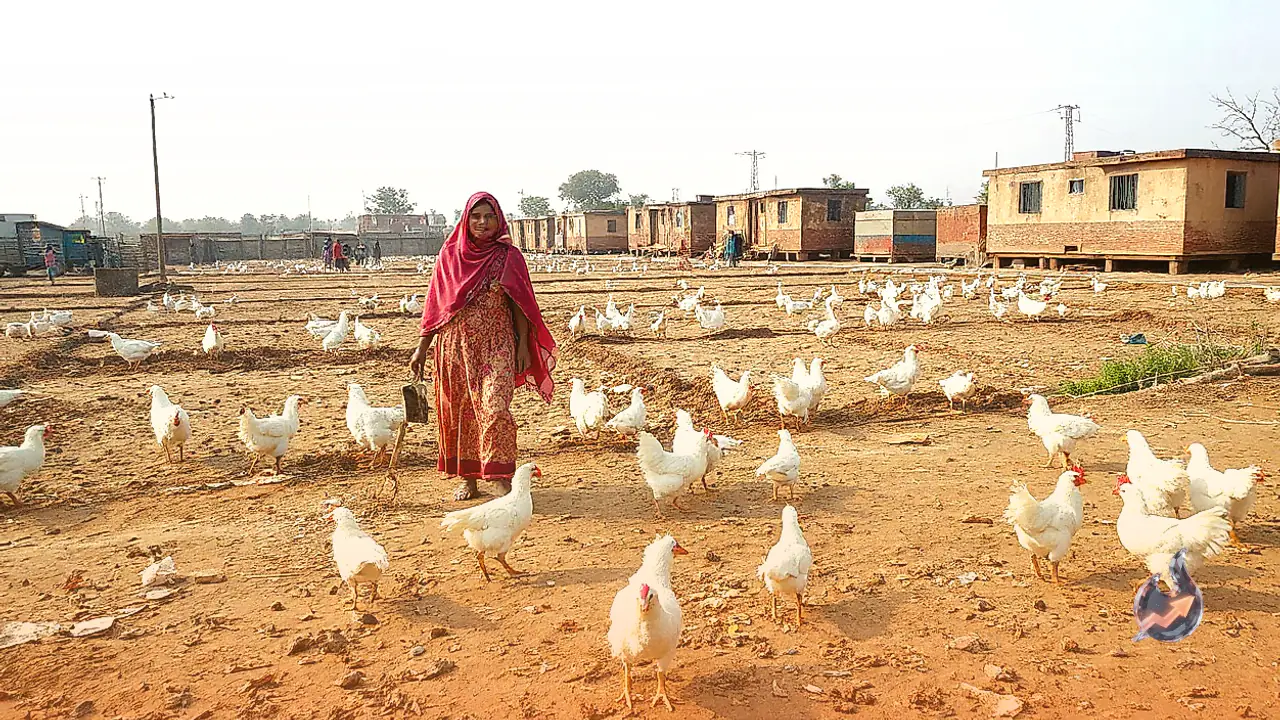
The primary benefit of this farming enterprise lies in its scalability, allowing individuals to launch operations on a modest scale with minimal capital. Financial outlays are predominantly restricted to procuring feed, clean water supplies, and essential vaccinations. The daily maintenance mirrors that of ordinary backyard poultry, requiring straightforward oversight that households can easily manage. Additionally, this lineage is widely recognized for its robust natural immunity against common ailments.
Empowering Rural Livelihoods Through Self-Employment
Integrating animal husbandry alongside regular farming activities enables rural households to establish dependable secondary sources of financial inflow. For small-scale growers who typically rely entirely on seasonal harvests, venturing into this domain serves as a practical pathway toward self-employment and economic stability. By requiring limited overhead while offering steady returns, this practice continues to support grassroots economic resilience across the region.