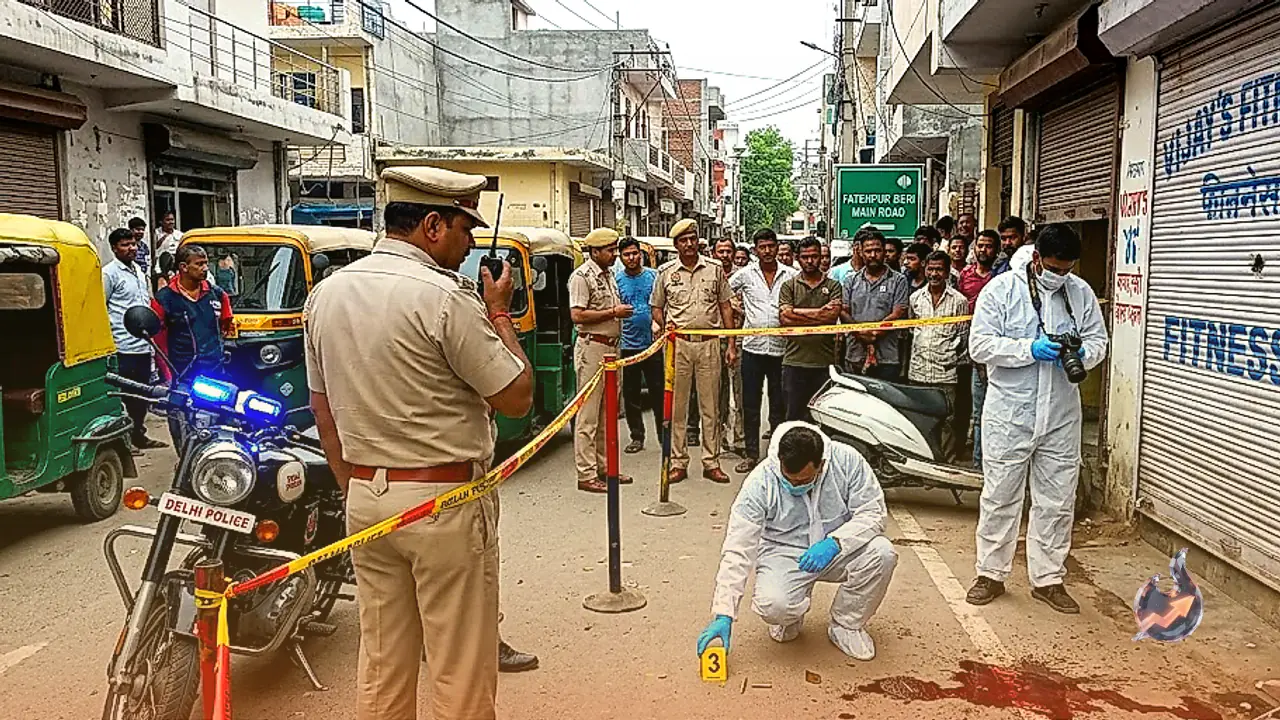




















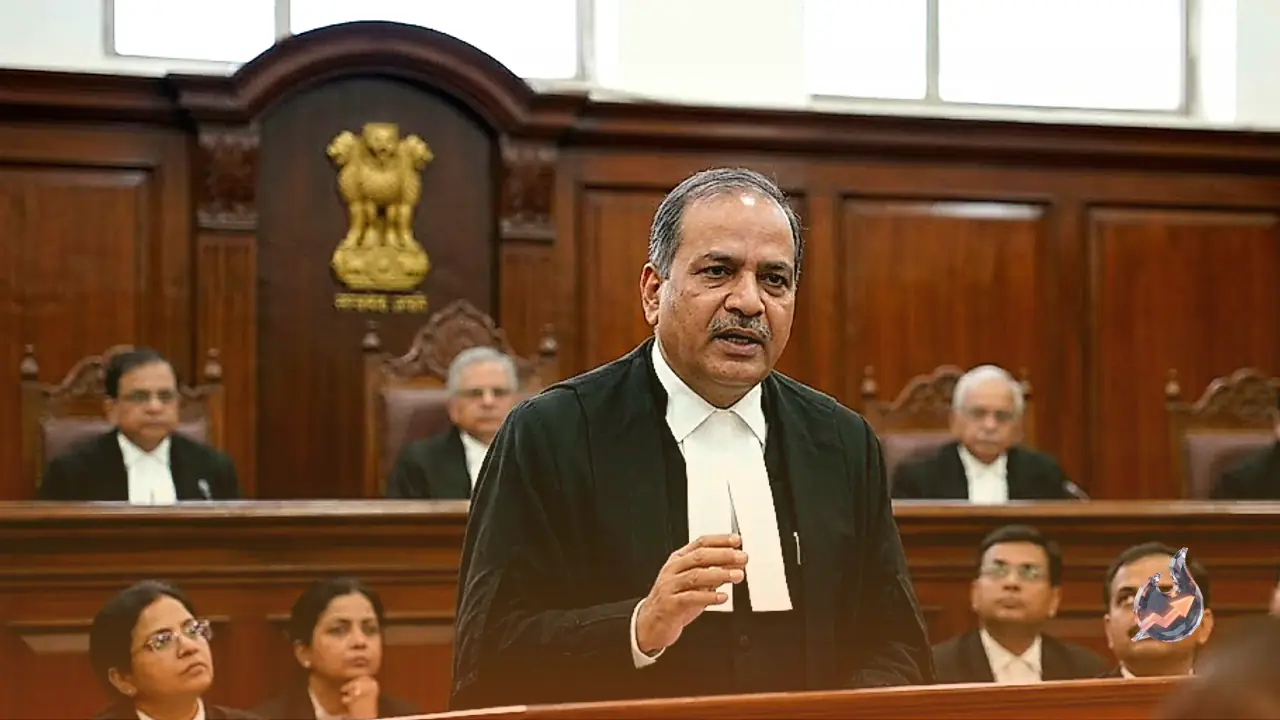

The Supreme Court of India has emphasized the need for administrative and police restraint while dealing with young student demonstrators across the country. During a judicial hearing regarding public agitation led by the Cockroach Janta Party (CJP), a bench headed by Chief Justice of India Justice Surya Kant highlighted that aggressive force often worsens tense situations, emphasizing that listening to the concerns of youth is essential in a democratic framework.
Demands in Petition and Tagging of Cases
The judicial observations surfaced during the examination of a plea requesting strict measures against the CJP. The petitioner alleged that public demonstrations organized by the political group led to widespread disruption, stone throwing, and destruction of property across Delhi and several other states. According to the petition, the organization responsible for leading the rallies should be held accountable for the monetary and physical damage caused by the crowds. Taking note of the broader context, the bench decided to combine this specific plea with a batch of pending petitions that address incidents of violence occurring during student agitations nationwide. Consequently, all related matters concerning student demonstrations in the capital and other states will be reviewed together in upcoming proceedings.
Focus on Dialogue and Security Forces Restraint
Underscoring the principles of governance, Chief Justice Justice Surya Kant noted that law enforcement agencies must maintain calm during peaceful marches. The court observed that administrative machinery should handle young protesters with immense care to prevent them from straying into unlawful activities. The Chief Justice pointed out that responding to violent acts with further violence typically escalates confrontation rather than resolving it. The bench stressed that listening to the demands and underlying reasons driving the student protests serves as the most effective approach for resolving grievances.
Law Enforcement Discretion and Central Government Stance
While offering guidance on handling public gatherings, the Supreme Court explicitly reaffirmed its confidence in the tactical judgment of law enforcement agencies. The bench stated that operational decisions on ground situations are best left to police authorities, who possess greater practical experience in managing public order. The court assured the petitioners that their arguments had been heard and would be thoroughly examined during the designated hearing date. Additionally, the bench indicated that it would evaluate the formal position of the Central Government and other state administrations before making further determinations on the matter.