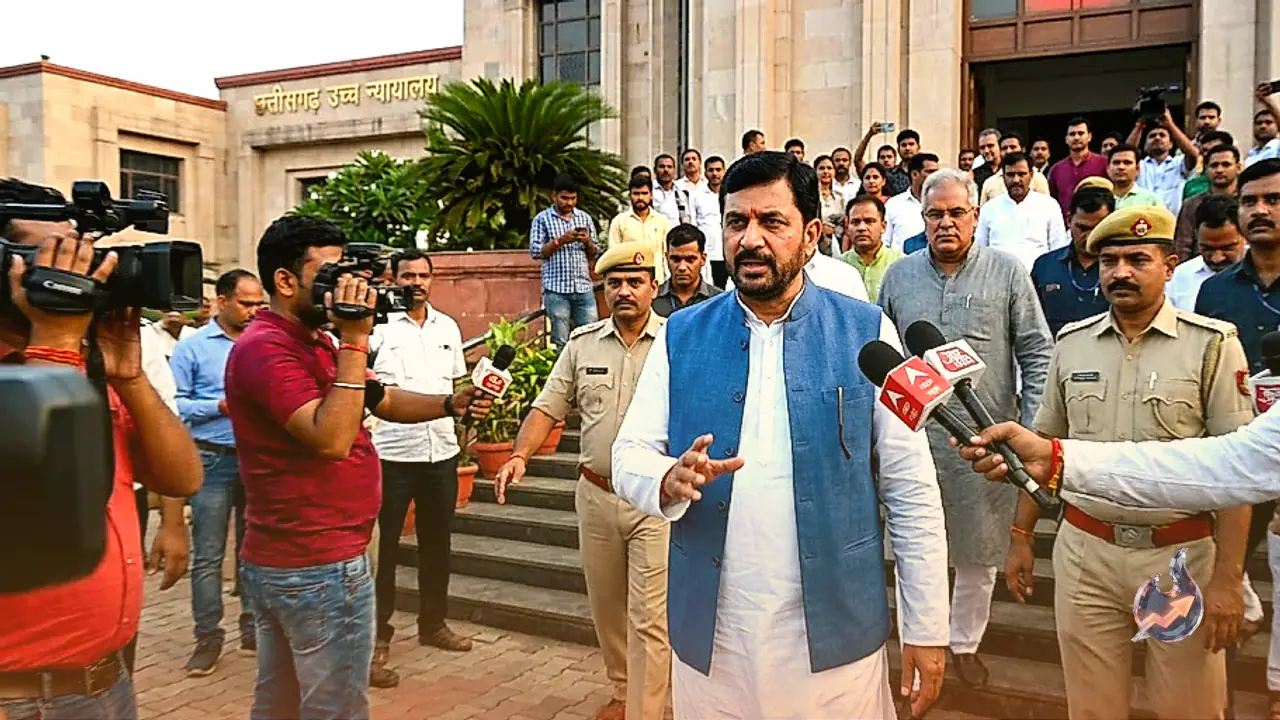























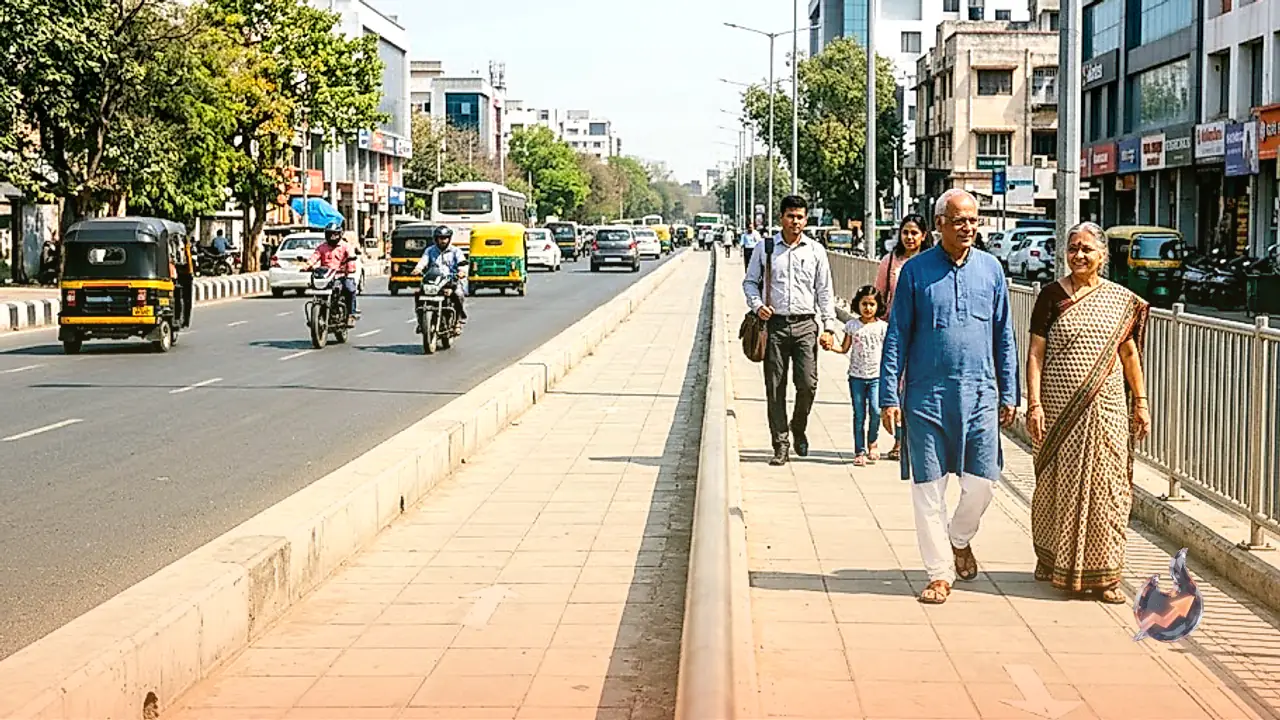

In a significant push for public safety and pedestrian rights, the Supreme Court has asked the central government to ensure that dedicated, encroachment-free walkways are marked alongside every road across the nation. A bench comprising Justice P. S. Narasimha and Justice Alok Aradhe emphasised that citizens walking on foot deserve safe spaces completely separated from motor vehicle traffic, ensuring they can move freely without risking their lives.
Immediate Action and Simple Solutions
During the proceedings on Monday, the Supreme Court bench instructed Additional Solicitor General K. M. Nataraj, who appeared on behalf of the Union Government, to issue firm directions to the relevant authorities. The court pointed out that creating safe zones for pedestrians does not necessarily require massive financial outlays or extensive civil construction. Simple measures, such as using ropes or clear physical boundary markers, can effectively partition walkways from vehicular lanes and prevent unauthorized encroachments.
The bench observed that pedestrians need full confidence in the safety of these designated zones. Walkers must be able to navigate public roads without constantly fearing incoming motor traffic. To ensure compliance, the top court has granted the Additional Solicitor General a timeframe of two weeks to convey these instructions to key officials, setting the next hearing date in two weeks.
Constitutional Right to Walk Safely
This recent order builds upon a landmark judgment delivered by the Supreme Court on June 19, which recognized the right to walk on demarcated footpaths as an integral fundamental right. In that key ruling, the court explicitly stated that pedestrian rights hold precedence over motor vehicle movement on demarcated paths.
The court firmly anchored this entitlement within Article 19(1)(d), which guarantees freedom of movement, and Article 21, which secures the right to life and personal liberty under the Constitution of India. By linking pedestrian safety directly to fundamental constitutional protections, the Supreme Court has established a strong precedent mandating state authorities to prioritize human lives over vehicular convenience on public roads.