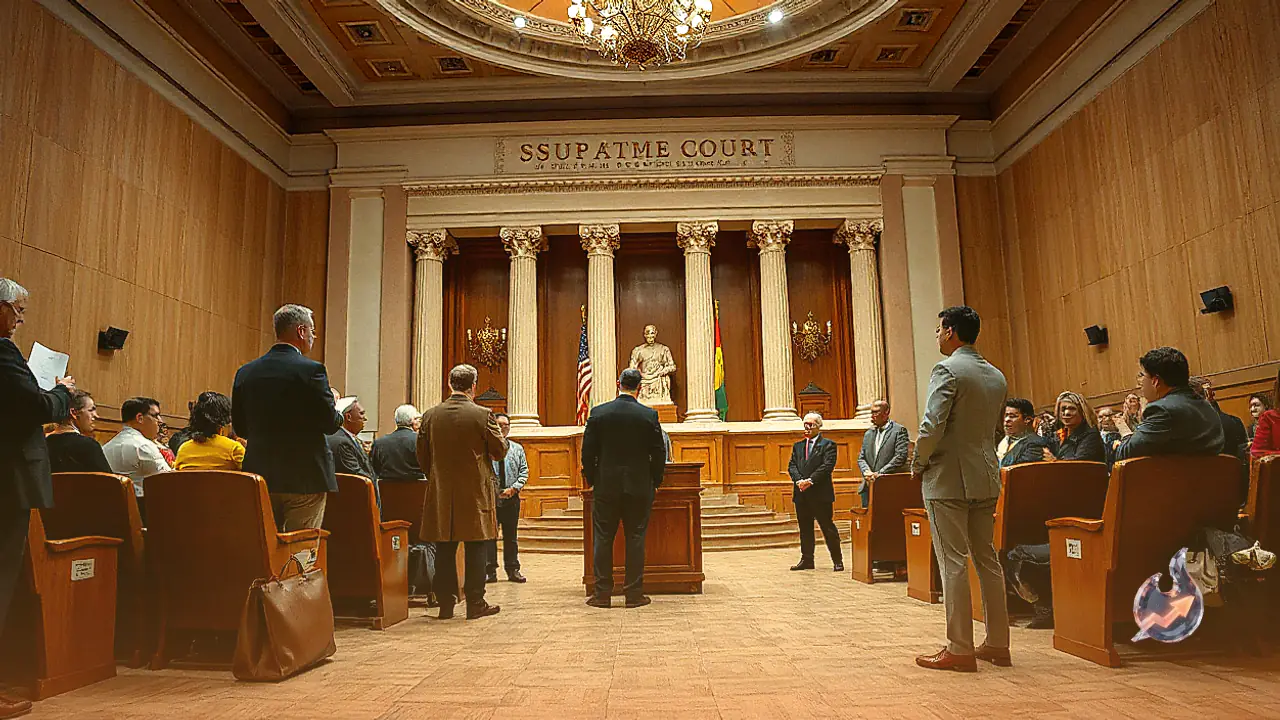

The Supreme Court heard the case related to the de-notification of Jantar Mantar on Friday, November 20, in New Delhi. The court granted the petitioner one week of time to submit a reply affidavit, following which the hearing was adjourned to a future date. During the proceedings, intense legal arguments unfolded between the bench and the lawyers regarding the authenticity of the facts included in the written documents. The bench made it clear that submitting an affidavit alongside any factual claims is essential.
Legal Debate Over Written Documents and Submissions
At the onset of the hearing, senior advocate Mukta Gupta informed the bench that she had already submitted her written documents regarding the matter. In response, the bench remarked that these written arguments had been received by the court only on that day. The bench pointed out that the documents contained various factual assertions which needed to be brought on record through an affidavit. The court emphasized that someone ultimately had to take responsibility for the correctness of those facts.
Clarification on Legal Interpretations and Factual Claims
Responding to the observations made by the bench, Mukta Gupta presented her standpoint. She stated that no factual claims had been incorporated into those documents. She clarified that the submissions were purely legal arguments based on the applicable laws governing the case. According to her, the written response consisted of points related to the interpretation of previous judgments and statutes. She requested the bench to examine the documents, considering the matter pertained to the de-notification of Jantar Mantar. However, Solicitor General Tushar Mehta maintained his stance, reiterating that someone must take accountability for the truthfulness of those facts.
Clarification Regarding Advocate Raju Letter
During the proceedings, Solicitor General Tushar Mehta also clarified a matter concerning a specific letter before the court. He explained that advocate Raju, who was previously appearing in the case, had encountered certain personal and family difficulties. Since his name was associated with multiple matters, letters had been dispatched across all those cases in which he was involved, and the Jantar Mantar case was among them.
One Week Deadline and Subsequent Directives
Tushar Mehta added that as soon as he realized he was assisting the court in this specific matter, he instructed for that letter to be withdrawn. He subsequently reiterated his stance on the written response, asserting that accountability must be established when filing replies along with affidavits. After listening to the arguments from both sides, the bench recorded its order. The court stated in its directive that the response could be submitted within a period of one week, while also ordering the matter to be listed for hearing on the next designated date.