





















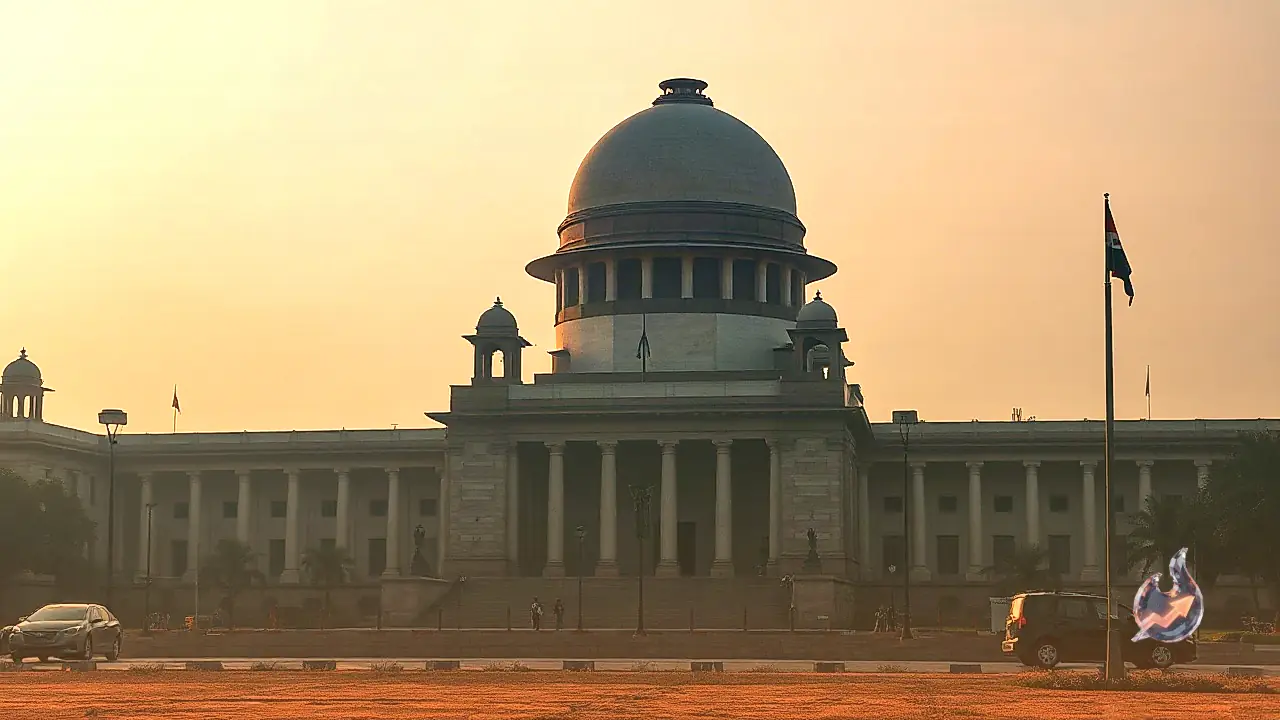

A crucial hearing took place in the Supreme Court concerning voter privacy and security during the vote-counting process. The ongoing proceedings center around a petition demanding the deployment of totallizer machines for counting ballots to ensure that the voting patterns of specific polling booths remain completely anonymous. The petition argues that using these devices would prevent the disclosure of candidate-wise vote distribution at individual polling stations.
According to the petition, keeping the voting patterns obscured would significantly reduce the risk of voters at a specific booth being identified and potentially harassed. Proponents argue that introducing totallizer machines can help reinforce ballot secrecy and voter protection mechanisms. The matter highlights ongoing debates regarding necessary modernizations in the electoral counting process.
Election Commission Cites Legal and Practical Hurdles
Before Chief Justice Surya Kant, the Central Election Commission stated that implementing totallizer machines would necessitate formal amendments to existing laws. The commission also raised several practical challenges associated with the system. Represented by senior advocate Dama Seshadri Naidu, the Election Commission cautioned that the adoption of totallizer machines could trigger various operational difficulties, including complications during the cross-verification of votes by candidates.
Furthermore, the poll panel informed the bench about past consultations involving political stakeholders. It pointed out that during a previous all-party meeting, nearly 50 percent of national political parties and 68 percent of state-level parties had opposed the proposal to introduce totallizers.
Reference to 2018 Supreme Court Order
Advocate Ashwani Upadhyay, appearing for petitioner Yogesh Gupta, drew the court's attention to a previous order delivered by the Supreme Court in 2018. He submitted that during the earlier proceedings, the Election Commission had favored the introduction of totallizer machines, having remarked at the time that the moment had arrived to adopt totallizers for vote counting.
The current legal sessions continue to deliberate on the multifaceted aspects surrounding totallizer machines, encompassing legal provisions, practical implementation issues, and safeguards for voter anonymity.