























People filing cheque bounce complaints often make one critical mistake that gets their case thrown out before it even goes to trial. The Supreme Court has now made it clear that when a cheque is issued from a company's bank account, criminal proceedings cannot be pursued against just a director or authorised signatory unless the company itself is made a party to the case.
Criminal Case Against Woman Quashed
The ruling came in a case involving criminal proceedings against a woman. A bench of Justice Manoj Mishra and Justice Vijay Bishnoi quashed all proceedings against her because the company whose bank account the cheque was drawn from had never been made an accused in the case. The bench held that a company is treated as a distinct legal person under law, so no prosecution can proceed against an officer or director alone without impleading the company as a party.
Himachal Pradesh High Court Order Set Aside
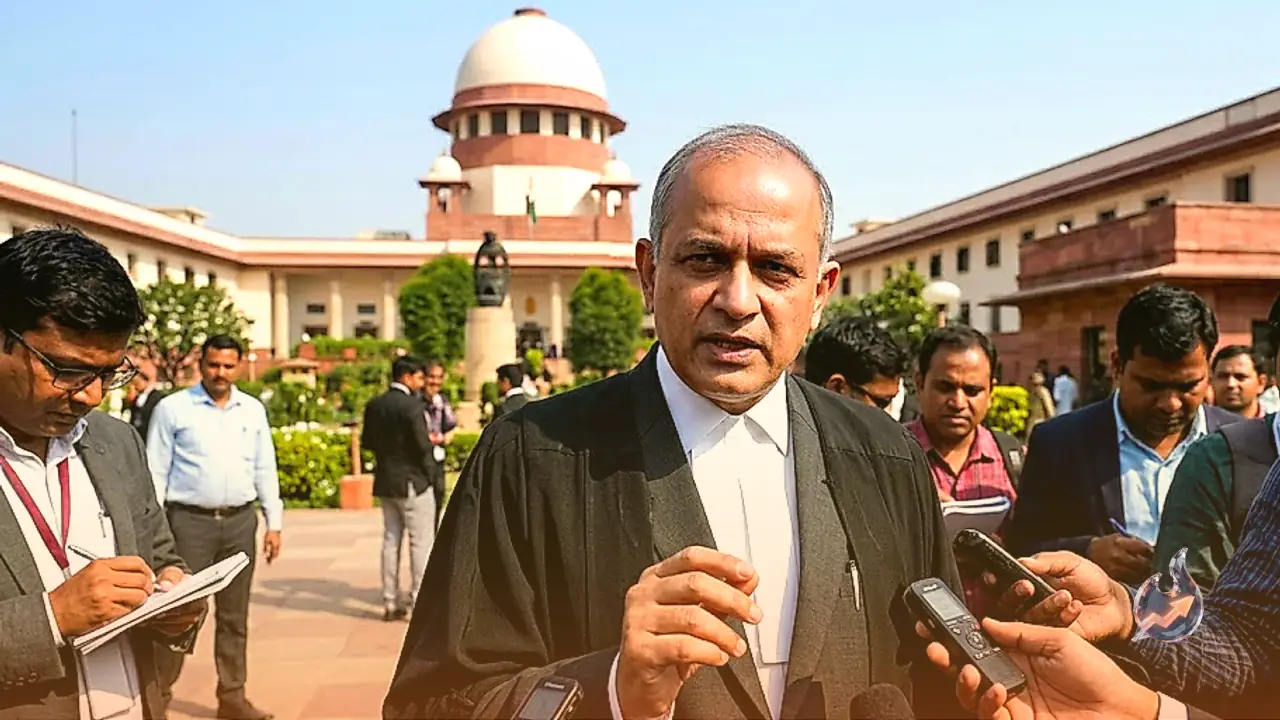
The dispute traced back to an order of the Himachal Pradesh High Court, which had directed the trial court to make the company a party to the case. The Supreme Court quashed that very order. Advocate Ashwini Kumar Dubey, appearing for the accused, argued before the bench that once a case is filed under Section 138 of the Negotiable Instruments Act against a company, a complaint against its director cannot be heard unless the company itself is arraigned as an accused. Dubey further argued that the High Court had erred by rejecting the plea to quash the complaint and all proceedings connected to it.
Supreme Court Questions High Court's Approach
In its order, the Supreme Court bench said the High Court had clearly exceeded its jurisdiction by directing the magistrate and trial court to make the company an accused on its own. The bench observed that the complaint suffered from a serious defect from the outset, and it had no hesitation in holding that the complaint and all proceedings arising from it deserved to be quashed. Accordingly, the complaint along with the connected proceedings was set aside.
Why the Company Must Be Made a Party
The bench explained that a company is an entity to which the law grants the status of a person, allowing it to hold a bank account in its own name. So if the cheque in question was issued from the company's account and the other conditions under Section 138 of the Negotiable Instruments Act are met, the offence is deemed to have been committed by the company. In such cases, the complainant must implead the company as a party, and simply naming the director or officer as the accused is not enough.
The Common Mistake Complainants Make
Company law makes it clear that a company also enjoys the legal status of a person, which means it must be made a party at the time of filing the complaint. If a cheque issued by a company bounces due to some fault, both the company and the official who issued the cheque need to be named as parties. This is exactly where most complainants slip up, they make the official who signed the cheque an accused but forget to add the company's name to the complaint. The Supreme Court's ruling draws attention to precisely this lapse, so that people filing cheque bounce complaints in future do not repeat the same error.