

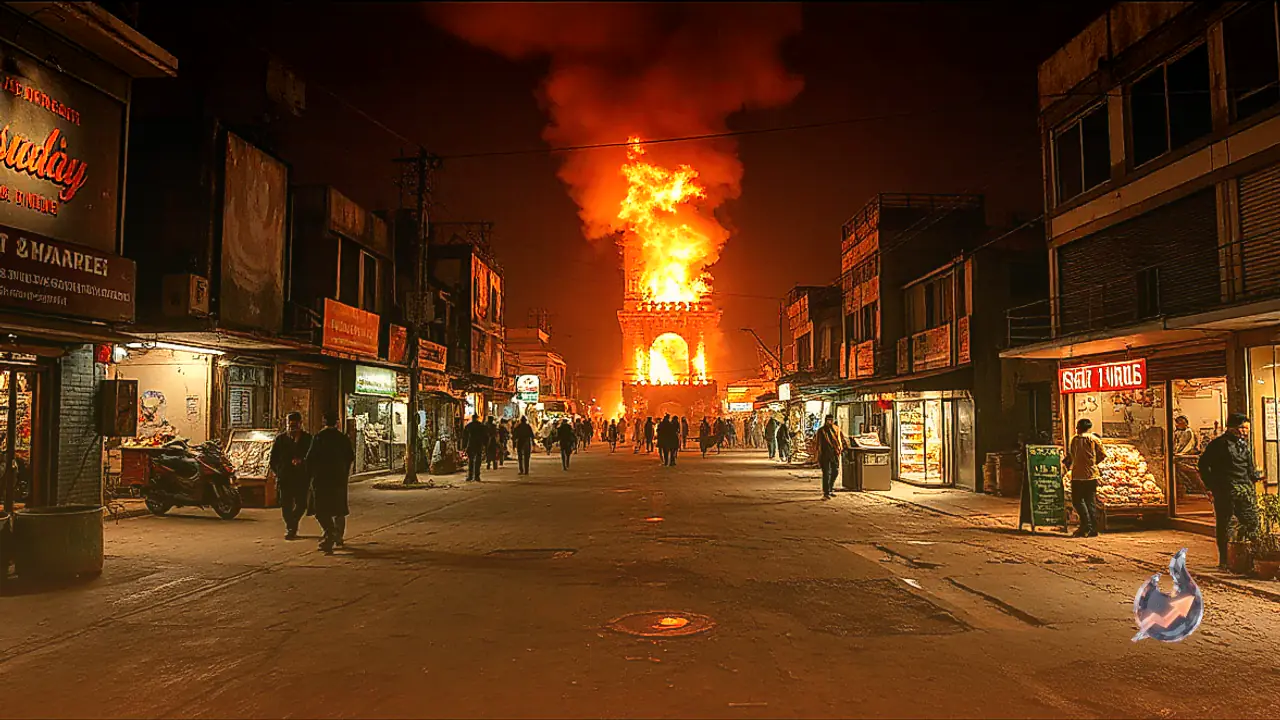
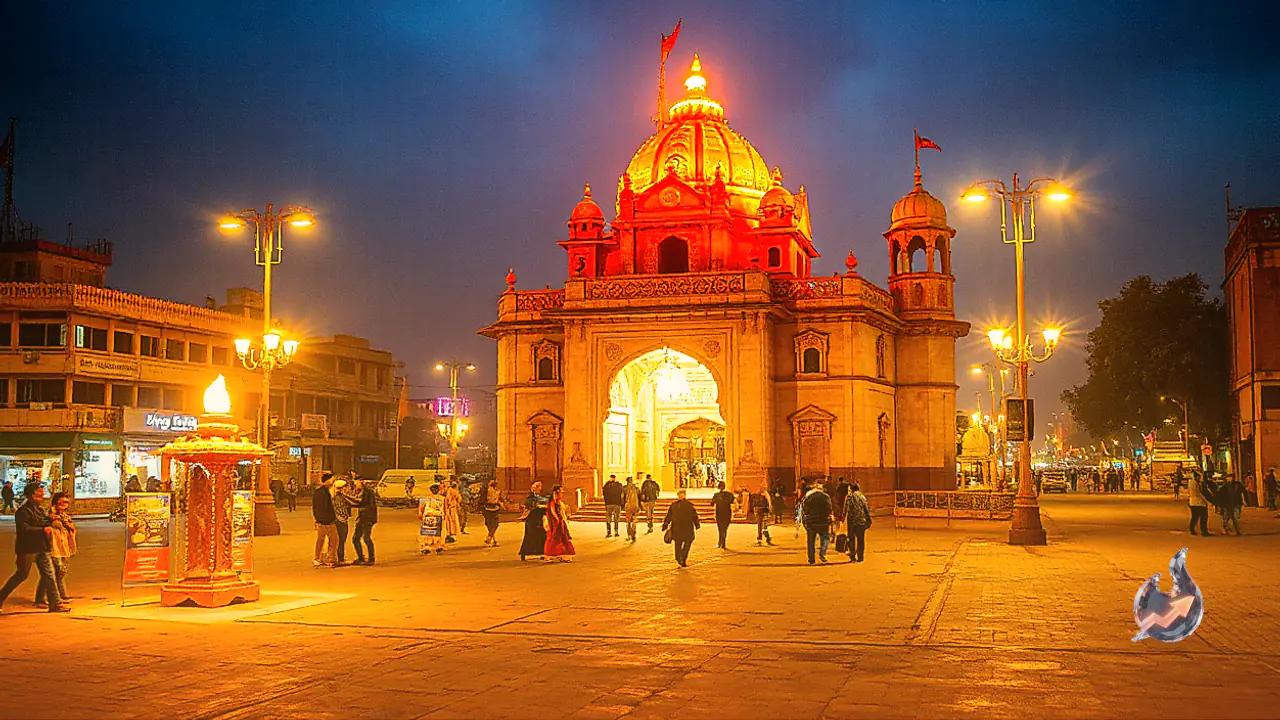
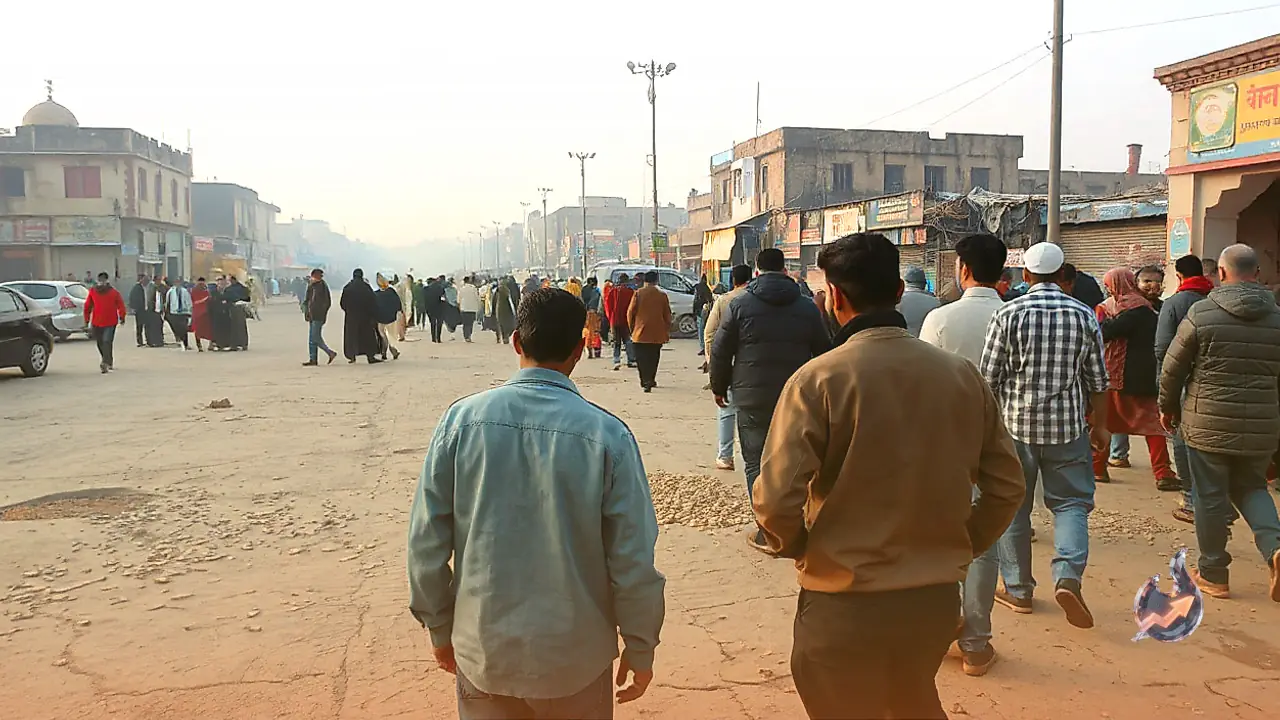
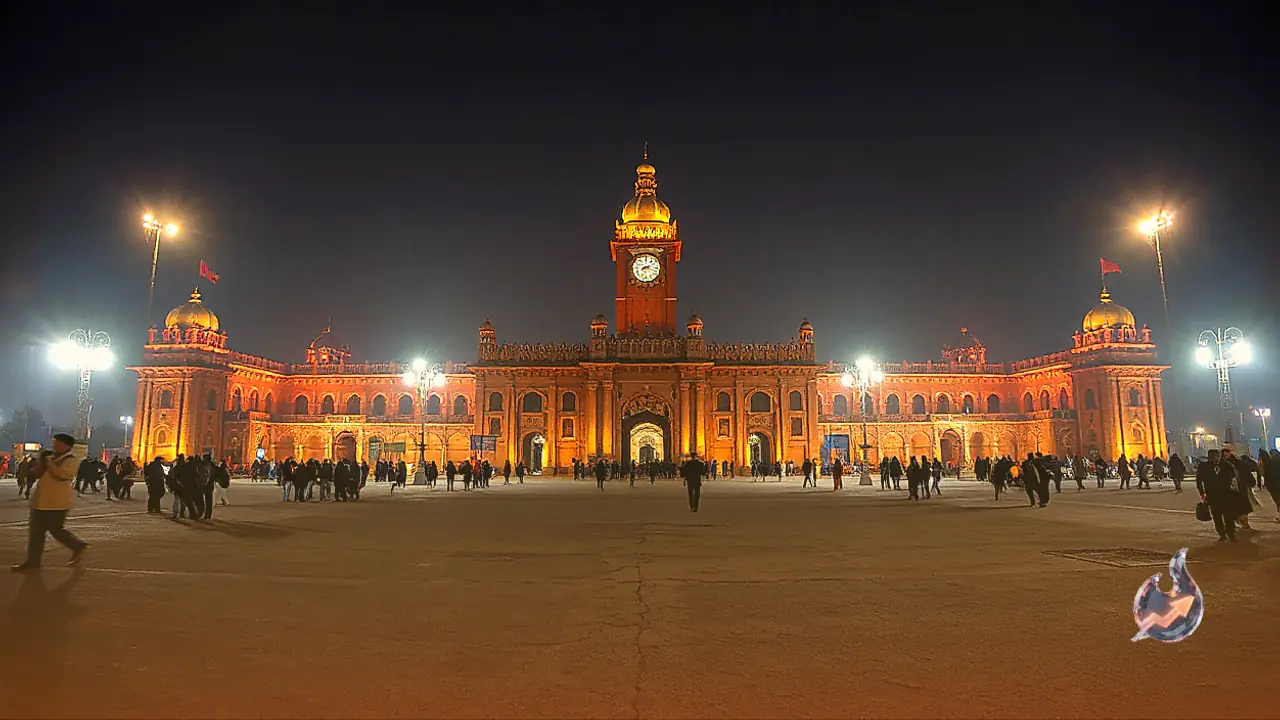














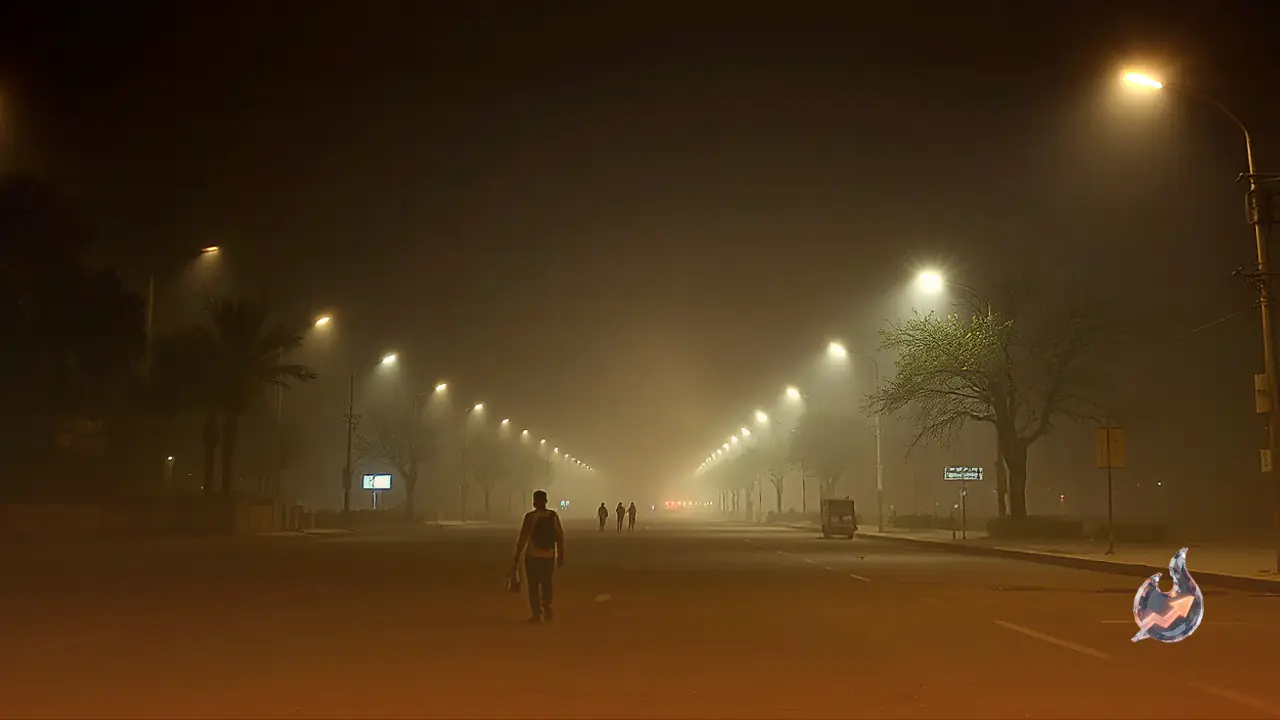

Festivities across the national capital and its adjoining regions on Diwali night gradually turned into a heavy blanket of pollution as darkness fell. A thick layer of smoke settled over the city skyline, drastically reducing visibility across roads and residential neighborhoods. Residents widely reported stinging eyes, breathing discomfort, and a sharp smell of gunpowder lingering in the air. Despite official bans on unauthorized crackers and public appeals to use only green alternatives, loud fireworks continued unabated across numerous localities. Consequently, by ten o'clock at night, the Air Quality Index across twenty monitoring stations in the capital entered the severe category, with the overall average reading pegged at three hundred seventy-one.
Sonia Vihar and Jahangirpuri Record Highest Pollution Levels
Data released by the Central Pollution Control Board indicated that out of fifty-nine monitoring stations operating in Delhi at ten o'clock on Sunday night, twenty stations registered air quality in the severe bracket. Six stations recorded poor conditions, while the remaining thirty-three stations fell into the very poor category. Sonia Vihar emerged as the most polluted spot, where the AQI touched four hundred sixty-three, followed closely by Jahangirpuri at four hundred fifty. Other neighborhoods such as Burari, Alipur, and Punjabi Bagh also maintained alarming pollution readings throughout the day. Areas including Sonia Vihar, Jahangirpuri, Punjabi Bagh, Burari, Okhla, and Rohini remained trapped in the severe air quality bracket for the entire day.
Fireworks Intensify Post Evening Hours
While most streets across the city remained relatively calm during daylight hours, active bursting of firecrackers began picking up pace between five and six in the evening. As the night progressed, the intensity of celebrations escalated, leaving a persistent layer of haze hanging over multiple sectors. Reports of relentless firecracker usage poured in from Pitampura, Burari, Mayur Vihar, and parts of Lutyens Delhi. According to local accounts, celebrations continued aggressively in outer Delhi locations like Pitampura and Burari, with the latter witnessing a particularly high concentration of noise and smoke. Residents in Mayur Vihar, Bishambar Das Marg, and Lutyens Delhi also confirmed late-evening firecracker activity, although some pockets observed a minor drop in intensity later in the night.
Official Guidelines and Public Reaction on Social Media
Ahead of the festival, the Delhi government had urged citizens to strictly abide by Supreme Court directives and limit celebrations to green crackers only. According to an order issued by the District Magistrate of East Delhi, specific time slots were allocated on November seventh and eighth, permitting green crackers exclusively between six to seven in the morning and eight to ten at night. Despite these regulations, widespread fireworks were observed. As air conditions deteriorated, numerous citizens took to the social media platform X to voice their concerns over the worsening atmosphere. Several users highlighted the heavy odor of smoke, declining visibility, and acute breathing irritation. In several neighborhoods, the particulate haze was dense enough to obscure standard street lighting.
Outlook Points to Continued Severe Air Quality
The Air Quality Early Warning System has projected that Delhi's air quality could return to the severe category starting November ninth, with unfavorable conditions expected to persist over subsequent days. Environmental experts note that adverse meteorological factors restrict the dispersion of pollutants in the lower atmosphere. Additional contributing factors include vehicular emissions, festive firecracker residue, and ongoing crop residue burning activities in neighboring states. According to the warning system parameters, if the ventilation index drops below six thousand square meters per second alongside an average wind speed of under ten kilometers per hour, pollutants remain trapped near the surface. Under official regulatory standards, an AQI reading between zero and fifty is considered good, fifty-one to one hundred satisfactory, one hundred one to two hundred moderate, two hundred one to three hundred poor, three hundred one to four hundred very poor, and four hundred one to five hundred severe.