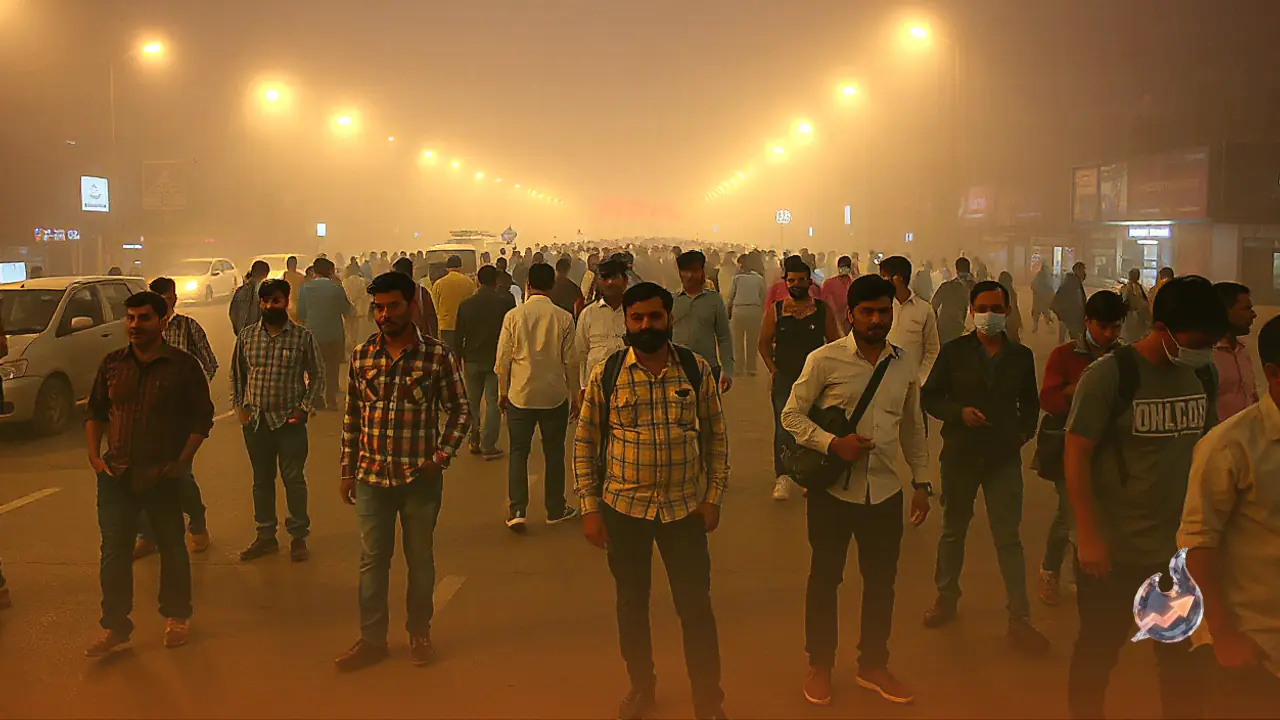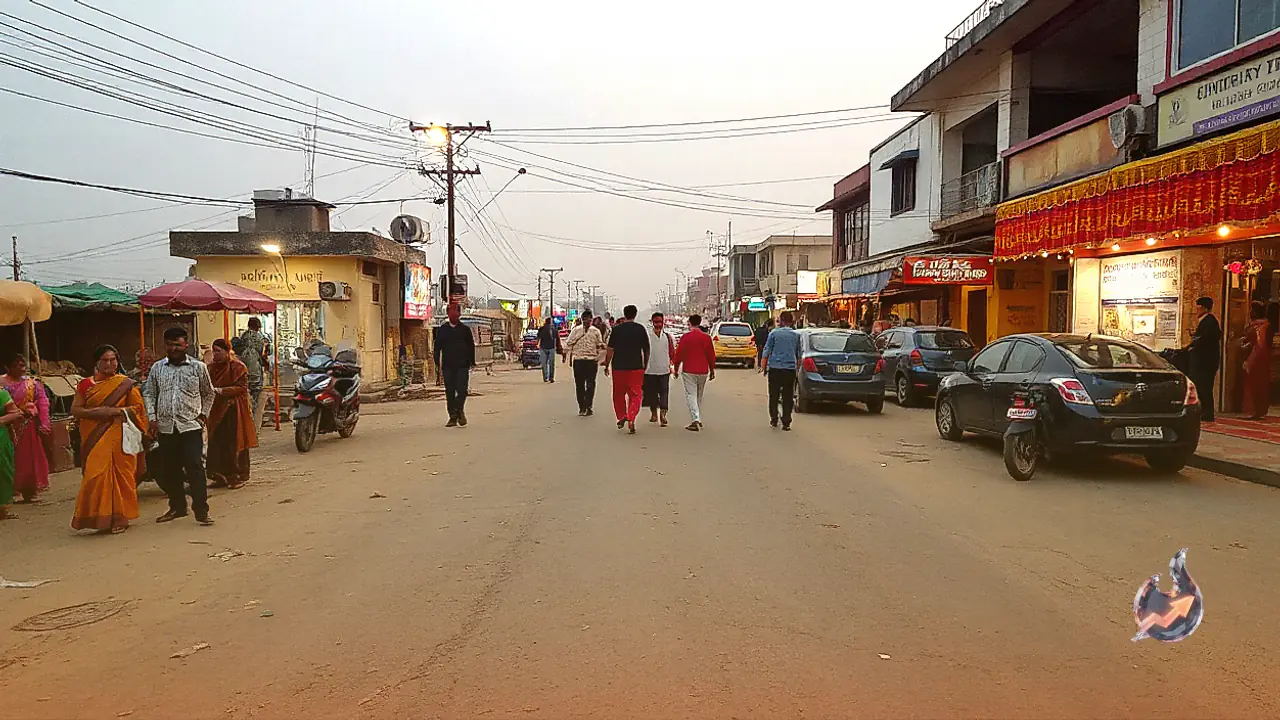























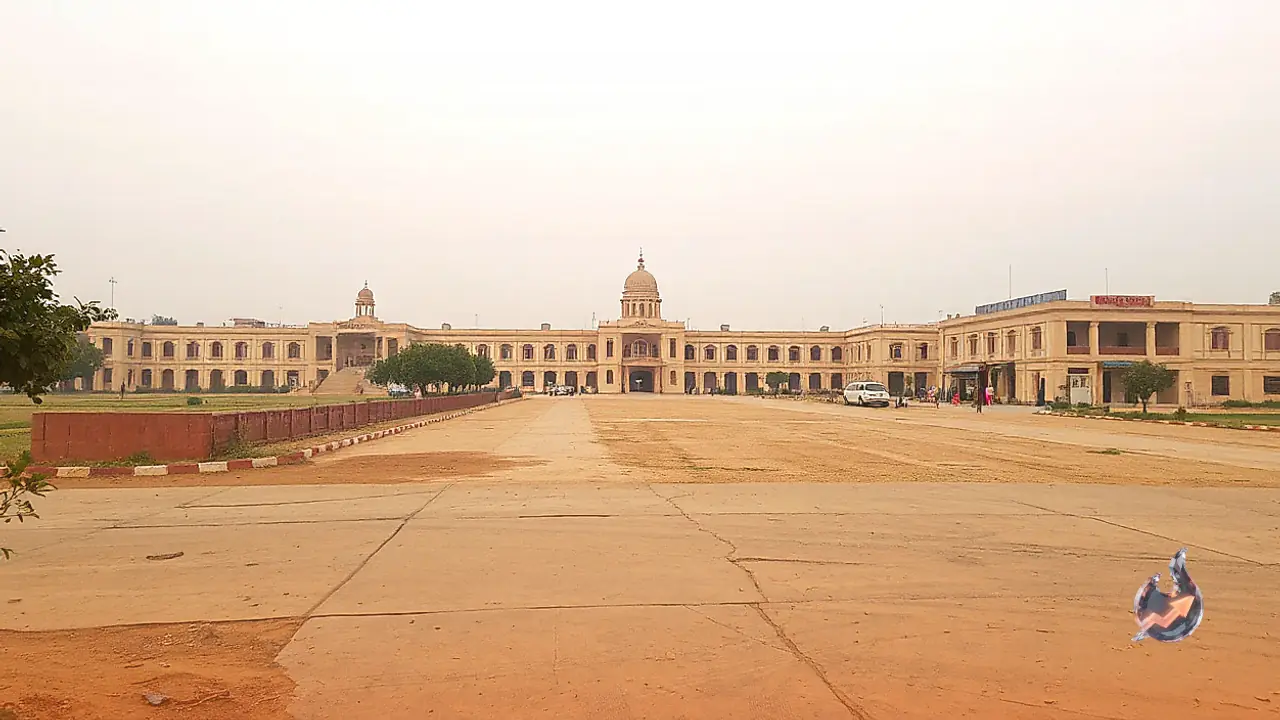

As the evening of Diwali began to unfold, air quality across Delhi and the National Capital Region deteriorated sharply, raising serious concerns among residents. On a night marked by glowing lamps and a brightening sky, severe pollution levels started creeping toward dangerous territory. In multiple pockets of the capital, the Air Quality Index surged past the 400 mark. The AQI recorded at Delhi University is North Campus touched 446, while reports from Ghaziabad indicated that the index skyrocketed to an alarming 763. This heavy pollution arrived even before widespread firecracker celebrations could fully peak, indicating that baseline air conditions were already severely compromised. Amid the festive celebrations, this toxic air poses a significant health hazard, particularly for children, the elderly, and individuals suffering from respiratory ailments.
Severe Pollution Levels Recorded in Noida and Meerut
Alongside Delhi, neighboring urban centers like Noida and Meerut also registered exceptionally high pollution figures. According to data from AQI India, Noida recorded an AQI of 603, while Meerut stood at 371. In Gurugram, the air quality index was logged at 228. Across various monitoring stations in Delhi, PM2.5 emerged as the predominant pollutant. Evening readings at 6 PM showed that several neighborhoods were already breathing air categorized as very poor, while a few spots had slipped into the severe zone. It is important to note that station-wise figures within Delhi and live tracking updates from NCR cities operate on varying timelines and measurement scales. With nighttime celebrations involving firecrackers, conditions are widely expected to worsen further.
North Campus and Chandni Chowk Hit Severe Bracket
Within the capital, North Campus registered an AQI of 446 at 6 PM, placing it firmly in the severe category. The densely populated commercial hub of Chandni Chowk logged an index of 434. Alipur recorded 431, and Burari Crossing stood at 443. Other areas like Bawana with an AQI of 435 and Mundka with 415 also saw air quality plummet into the severe bracket. Meanwhile, Wazirpur registered 392, Nangloi recorded 394, and Okhla Phase 2 logged 391. These numbers highlighted a widespread blanket of heavy pollution covering large parts of the metropolis.
Delhi's Average AQI Stays at 374 Amid GRAP Restrictions
Available metrics placed Delhi is overall average AQI at 374, which falls into the very poor classification. The capital is currently operating under the second phase of the Graded Response Action Plan restrictions. Specific monitoring locations reported varying figures, with Mandir Marg at 386 and the area near Major Dhyan Chand National Stadium at 392. IIT Delhi recorded an AQI of 376, while the IHBAS station in Dilshad Garden logged 345. On the cleaner side, Sri Aurobindo मार्ग stood at 284 and IGNOU Maidan Garhi recorded 246, demonstrating notable micro-climatic variations in pollution distribution across the city.
Ghaziabad Hits 763 and Noida Reaches 603
Among the satellite cities surrounding Delhi, Ghaziabad presented the most concerning scenario with live rankings showing an AQI of 763, placing it squarely in the hazardous tier. Noida followed with an AQI of 603, while Meerut maintained a reading of 371. PM2.5 and PM10 were identified as the primary drivers of this intense pollution spell in these urban areas. In Gurugram, data updated around 6:21 PM showed an AQI of 228. Because different monitoring networks utilize distinct reporting scales and averaging mechanisms, direct cross-platform comparisons should be interpreted with appropriate context.
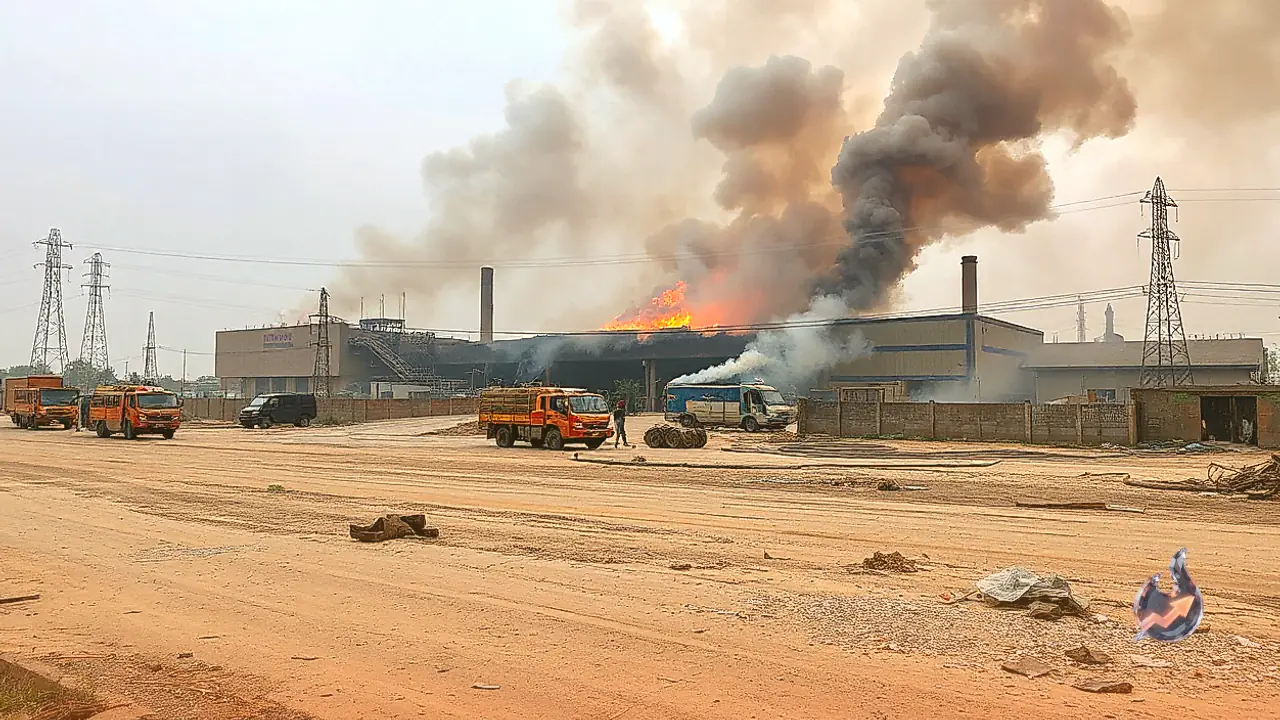
The spike in pollution levels as early as Diwali evening remains a pressing issue for public health authorities. Smoke generated from fireworks adds massive loads of PM2.5 and other particulate matter into the atmosphere. Prevailing weather patterns and low wind speeds further hinder the dispersion of these pollutants. Consequently, AQI readings are expected to fluctuate through the night. Vulnerable groups, including children, senior citizens, and those with chronic respiratory conditions, are strongly advised to minimize outdoor exposure, exercise caution when stepping out, and follow advisories issued by local administrative bodies.