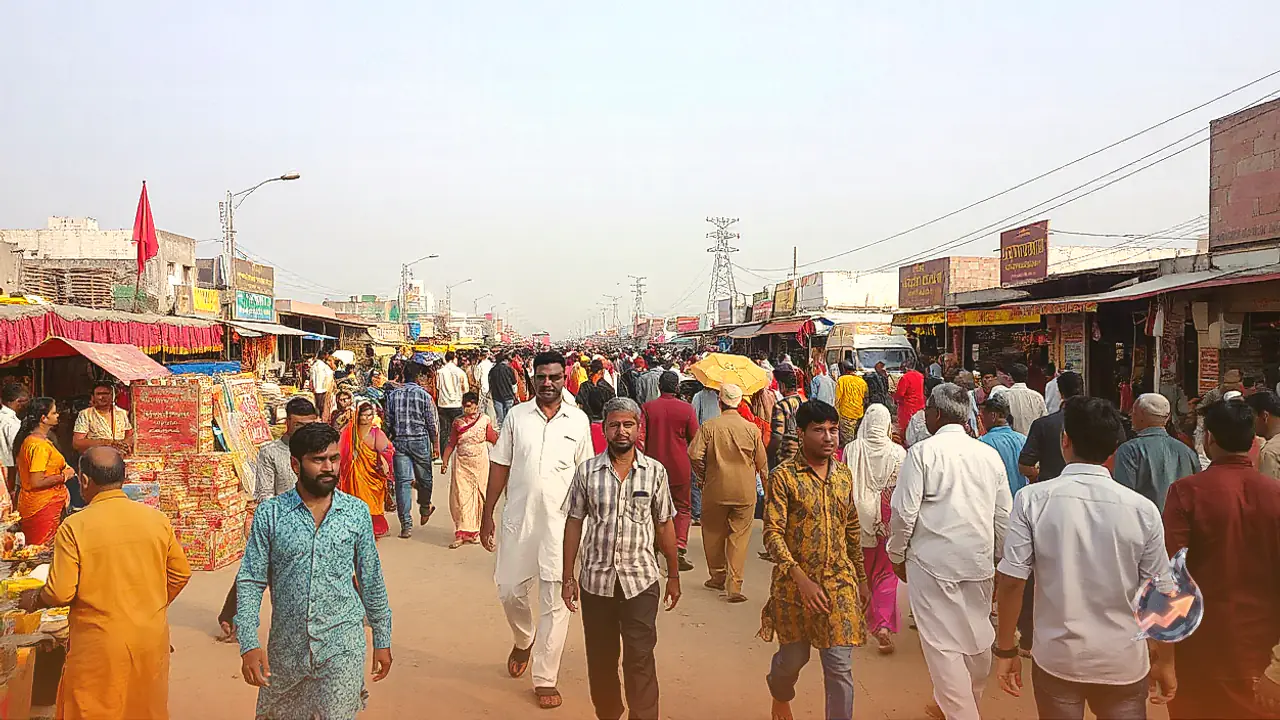
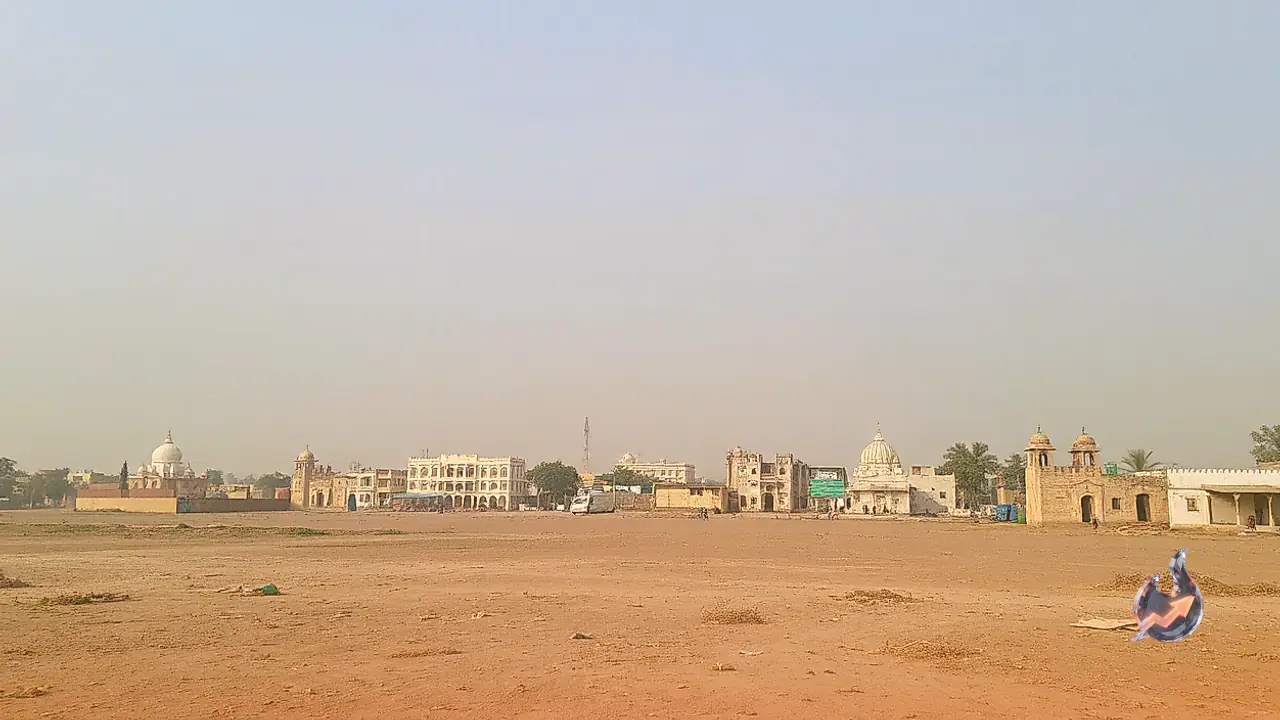














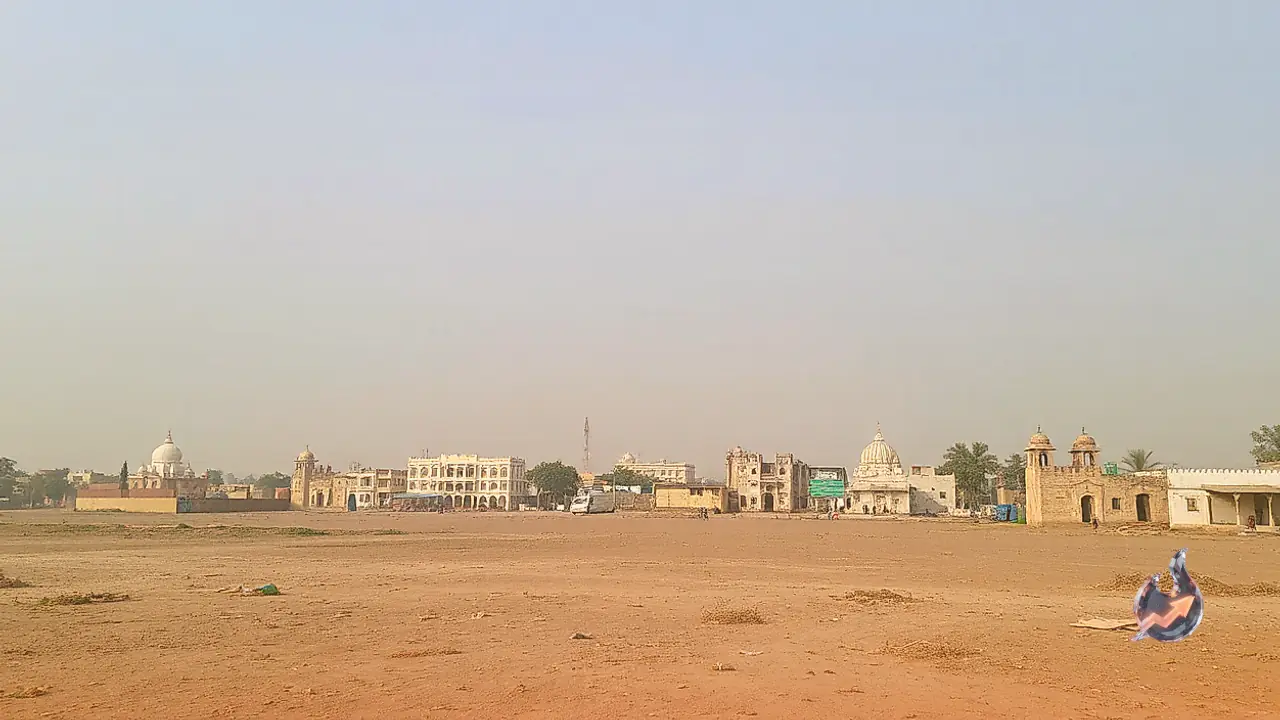

Jaipur: The air quality in Rajasthan has begun deteriorating severely even before the official celebrations of Diwali get underway. Driven by seasonal shifts, falling temperatures, and slower wind speeds, the air pollution graph has climbed sharply across several urban centers in the state. The current situation reveals that just a day prior to the festival, the air quality index in most parts of the state is registering at roughly double the normal levels. Consequently, experts fear that the pollution levels will escalate further once fireworks are fully underway across the region.
Major Cities Hit Hard
In the state capital of Jaipur, the AQI has climbed to approximately 245, indicating a steady escalation of toxic particles in the city's atmosphere. The situation in the industrial hub of Bhiwadi is far more alarming, where the air quality index has touched a severe 363. Sawai Madhopur has also crossed the critical threshold, recording an AQI of up to 305. Across eastern Rajasthan, Sawai Madhopur stands out as a major city where the pollution meter has breached the 300 mark.
District-Wise Breakdown
Neighboring districts are also reporting poor air metrics, with Dausa recording an AQI of 274, Karauli at 266, and Tonk at 229. The surrounding peripheries of Jaipur display clear visible traces of this deteriorating haze. Shifting to western regions, Jodhpur maintains an AQI hovering around 256, while Bikaner registers near 224. Areas including Jaisalmer and other parts of western Rajasthan are witnessing pollution readings consistently settling between 200 and 250. The Hadoti region is similarly affected, with Kota registering an AQI of 160, alongside rising pollution trends emerging across Bundi and Jhalawar. Meanwhile, relatively lower yet concerning numbers are seen in Ajmer with an AQI of 139 and Udaipur resting at 134.
Health Precautions During The Festival
Environmental shifts naturally cause particulate matter and pollutants to disperse less effectively, trapping them close to the ground level. Under these prevailing conditions, smoke and microscopic emissions from Diwali firecrackers are expected to degrade air purity even further. Immediate caution is advised for residents, especially vulnerable demographics such as the elderly, young children, and individuals suffering from chronic respiratory ailments who should limit outdoor exposure. While Diwali remains a festival dedicated to joy and illumination, safeguarding personal and community health amidst these environmental challenges is paramount.