






















Toxic Smog Blankets Delhi NCR as Falling Temperatures Trap PollutantsIndia
9 Oct 2026, 9:51 am (2 hours ago)· 0

Toxic Smog Blankets Delhi NCR as Falling Temperatures Trap Pollutants

A heavy layer of haze engulfed Delhi, Noida, and surrounding areas as early morning chill combined with elevated pollutant levels to push air quality into unhealthy territory.

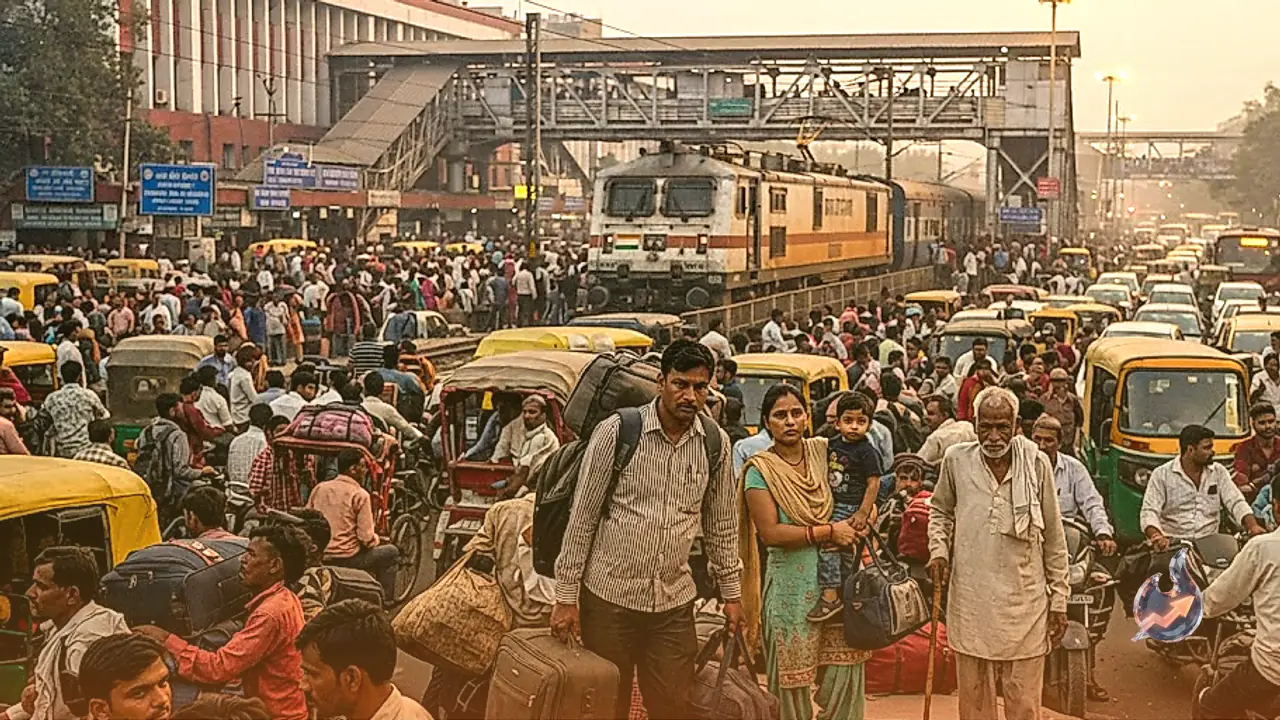
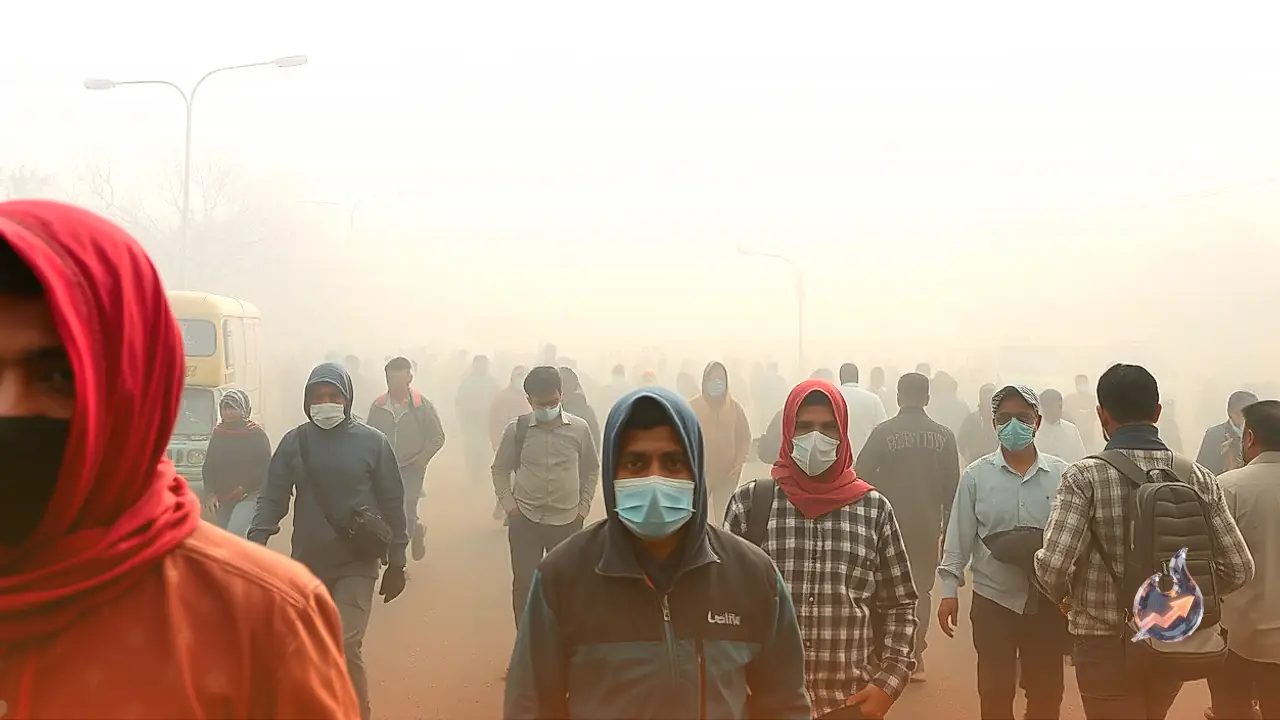
A dense layer of haze hung over the National Capital Region from early morning, obscuring the skyline across prominent urban belts. With a noticeable dip in minimum temperatures, many residents initially mistook the grey cover for natural seasonal mist. However, air monitoring metrics quickly established that the low visibility is driven primarily by elevated particulate matter, creating a harmful smog layer that has severely degraded air quality across Delhi and Noida.

Mist or Atmospheric Smoke: What Caused the Grey Sky

The sudden deterioration stems from a typical seasonal transition where dropping mercury levels meet calm wind speeds. When the lower atmosphere cools down, surface-level moisture traps particulate emissions from vehicles, ongoing construction, and industrial operations instead of dispersing them. Consequently, the atmospheric haze is not pure condensation but a concentrated accumulation of harmful pollutants lingering near ground level.

Also read

Air Quality Drops in Delhi and Noida

Monitoring data from environmental stations indicated that fine particulate concentrations have climbed well beyond acceptable limits. Because the movement of air remained sluggish through the morning hours, toxic particles settled close to residential belts. This chemical mixture not only cut visibility across arterial roads but also turned the ambient air unhealthy for residents stepping out during peak commute hours.

Health Vulnerabilities During Early Winter Transitions

Public health professionals point out that the confluence of early winter chills and concentrated smog poses distinct physiological challenges, especially for vulnerable demographics including children, senior citizens, and people with respiratory conditions. Medical advisories typically recommend minimizing strenuous outdoor workouts during morning hours when pollutant concentrations are at their densest, until stronger winds help clear the stagnant layer.


Questions & Answers

Is the morning haze over Delhi NCR regular fog?
No, data indicates it is smog formed by high particulate matter and smoke mixing with atmospheric moisture during dropping temperatures.
Which cities have seen their air turn unhealthy due to this smog?
The air quality has deteriorated sharply across Delhi and Noida along with adjoining parts of the National Capital Region.
What caused the haze to settle so heavily over the region?
A drop in minimum temperatures alongside sluggish wind speeds prevented ground-level pollutants from dispersing into the upper atmosphere.
What health precautions should residents take right now?
Residents are advised to limit heavy outdoor exertion during the early morning hours and protect sensitive family members from stagnant air.

Comments 4

Arjun Mehta@arjun-mehta·59m ago

Blaming just the weather feels incomplete; we need to talk about vehicles and factories too.

Divya Reddy@divya-reddy·58m ago

Spot on, Arjun. But did the administration actually introduce any new rules to curb vehicles and factories this time?

Rohan Verma@rohan-verma·1h ago

My eyes started burning and breathing felt heavy the moment I stepped out for a walk this morning. This happens in Noida every year right around the time winter sets in—it literally feels like walking right into smoke.

Karan Malhotra@karan-malhotra·1h ago

Spot on, Rohan. Morning walks in Noida and Delhi are becoming tough this season, with eye irritation and breathing issues feeling quite real.

Citizen journalism

Become a TrendKia journalist

Voice of the people

Share news, photos and videos from your area with TrendKia and let your voice reach the nation. Every citizen a journalist.

Join now
CH 01 LIVE
TrendKia TV ON AIR
Chamar no WhatsApp