






















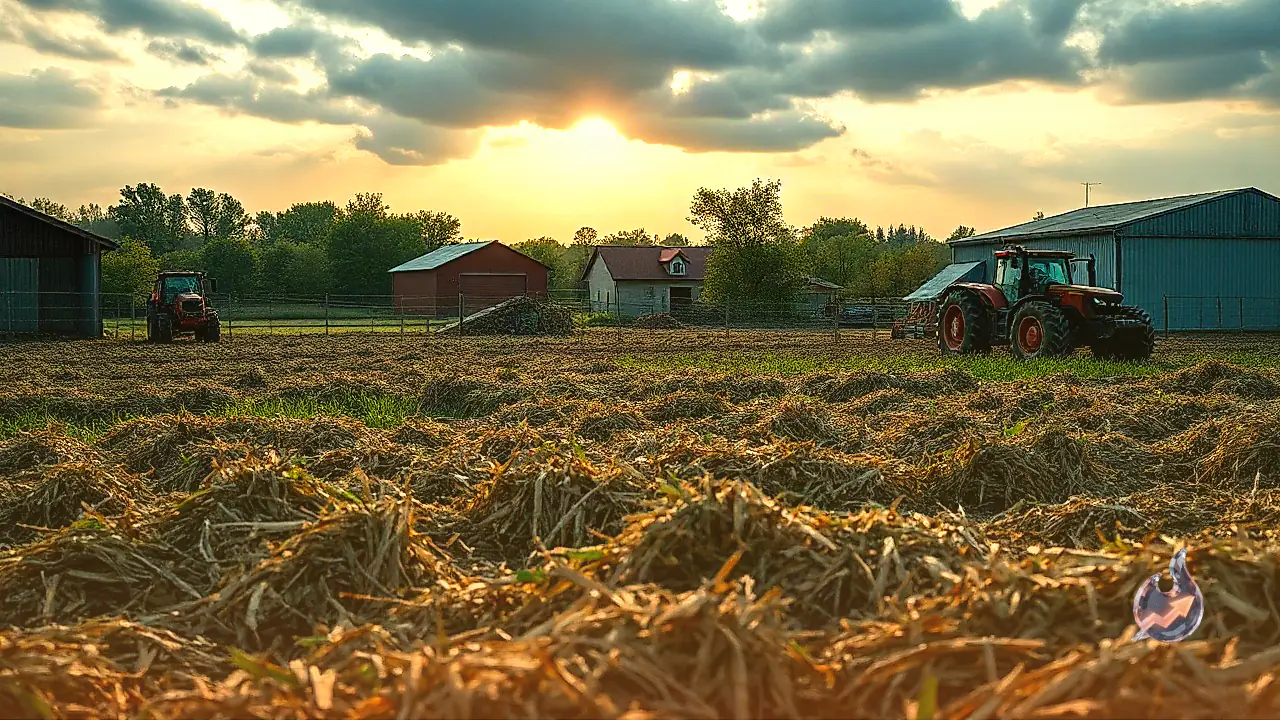

Setting fire to post-harvest residues may look like a quick clearing method across rural farmlands, but it strips the soil of vital organic wealth and triggers intense atmospheric pollution. Rather than burning agricultural byproducts, farmers can incorporate these plant remains directly back into the ground to build organic matter. As plant stalks and leaves gradually decompose within the soil layers, they transform into an enduring source of essential nutrients that naturally revive soil fertility.
Preserving Soil Moisture and Suppressing Weeds Through Mulching
Among the most practical ways to handle remaining harvest materials is converting them into protective field mulch. Shredding plant stems into uniform, small pieces and spreading them across the field creates a shield that seals moisture within the earth. This protective cover prevents harsh sunlight from directly baking the topsoil and significantly suppresses weed emergence by limiting sunlight exposure. Field mulching proves especially beneficial for vegetable plots, fruit orchards, and diverse seasonal crop systems.
Producing Organic Compost to Reduce Chemical Inputs
Growers can also recycle dry leaves, stalks, and leftover straw into high-grade organic compost. Stacking this biomass with appropriate moisture levels and allowing natural biological decomposition to run its course produces rich organic manure. Reapplying mature compost to agricultural land substantially enhances soil structure and organic content, providing a dependable alternative that minimizes reliance on commercial chemical fertilizers.
Nutritious Livestock Fodder, Biogas, and Biochar Applications
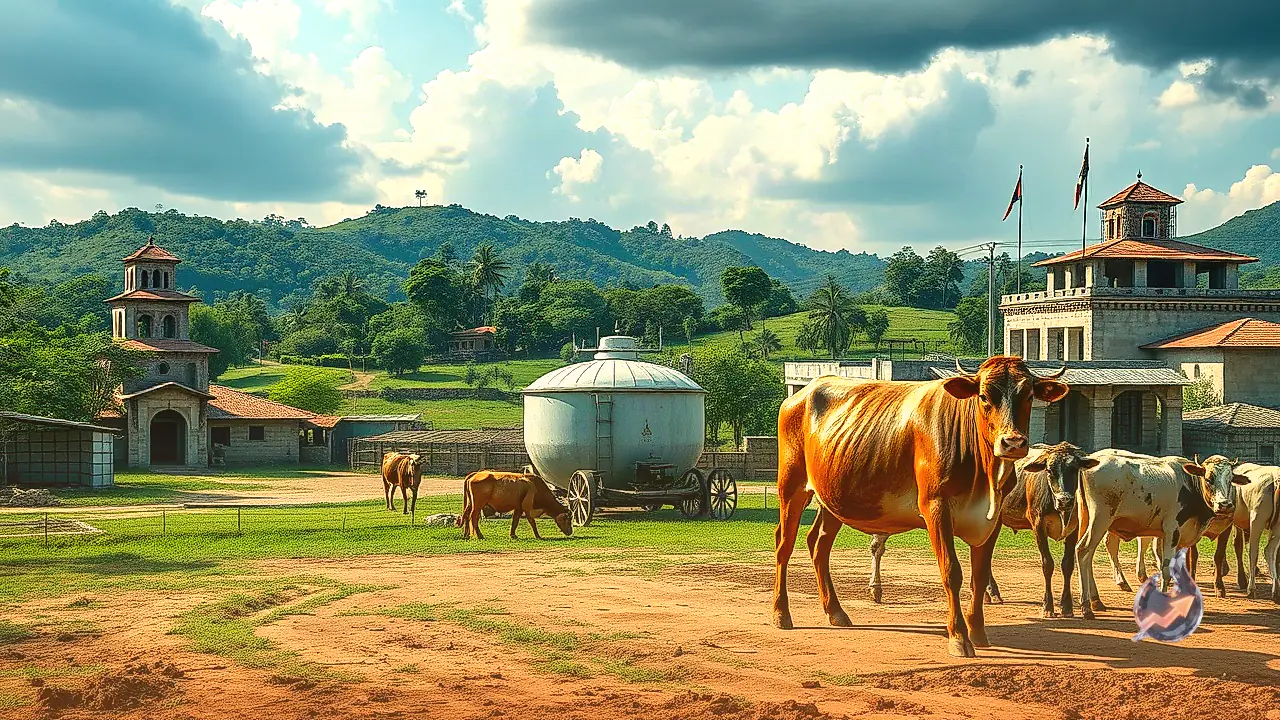
Certain plant residues serve as valuable feed for farm animals, provided they are properly sorted and processed. Wheat straw has traditionally served as staple animal fodder, while other fibrous crop residues can also be adapted for livestock with appropriate handling. Beyond livestock nutrition, agricultural biomass holds notable potential for generating clean energy through biogas production and producing soil-enhancing biochar.
Adopting Scientific Methods With Local Agricultural Guidance
Treating harvest leftovers as an economic asset rather than an inconvenience delivers mutual gains for farmland health and the wider environment. Before blending residues into the earth, creating compost piles, or feeding them to farm animals, growers must evaluate their specific crop species and local field conditions. Consulting technical officers at the Agriculture Department or local Krishi Vigyan Kendra ensures that stubble management is executed safely and productively.