






















Broadcasting unverified claims regarding corruption within the legal system on internet platforms carries the potential to permanently destroy the professional lives of presiding officers. The highest judicial forum in the country has taken a stern view of digital content creators who level serious charges against magistrates and judges without backing their statements with concrete proof. On Monday, a two-judge bench made it categorically clear that while freedom of expression remains a fundamental right, it cannot be weaponized to casually assassinate the character of legal authorities in the digital age.
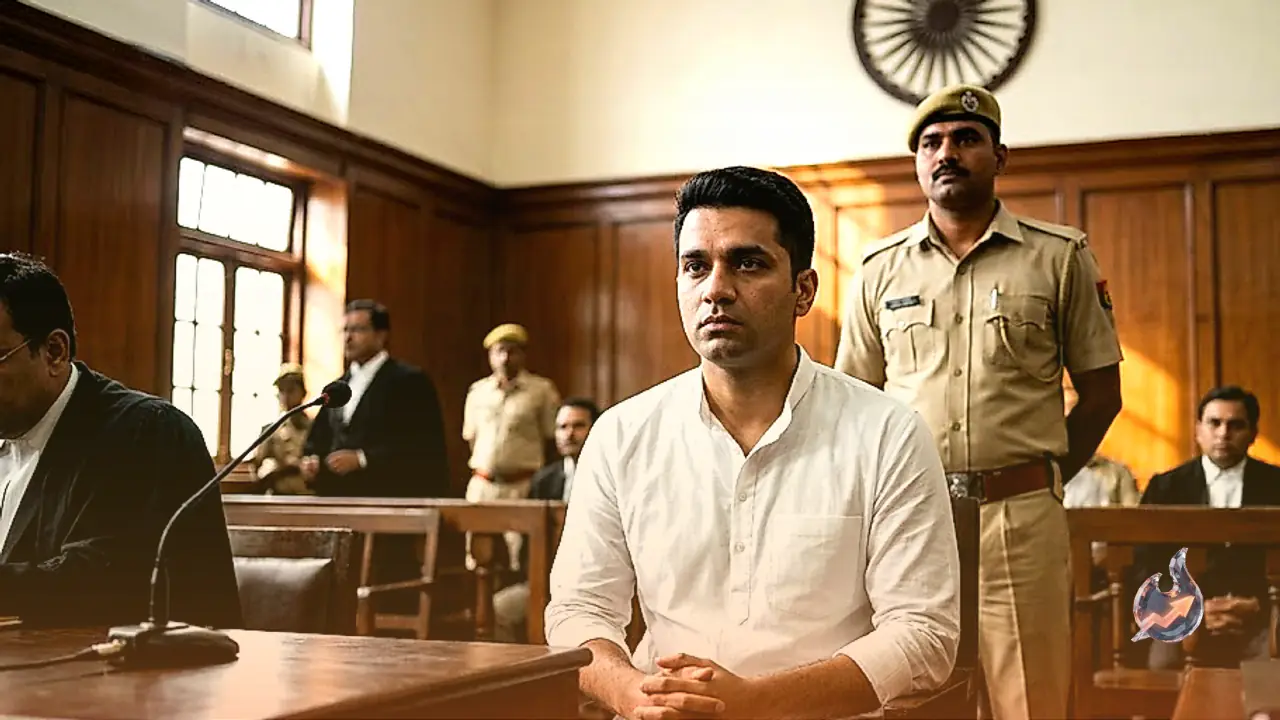
The significant observations emerged during the proceedings of a petition moved by digital content creator Gulshan Pahuja. The vlogger had approached the apex court seeking immediate relief against a six-month prison term handed down to him. Previously, the Delhi High Court had found him guilty of criminal contempt for broadcasting derogatory material. A bench consisting of Justice Dipankar Datta and Justice Sheel Nagu presided over the matter and expressed strong displeasure at the growing trend of sensationalizing unverified claims for online engagement.
Career Assassination On The Internet
The judicial bench pointed out the irreversible damage caused by reckless digital broadcasts in today's hyper-connected world. When a content creator uploads a video accusing a sitting judge of taking bribes or engaging in malpractice, the internet amplifies that claim globally within minutes. The top court highlighted that even if the allegations are later proven completely false, the stigma remains attached to the affected officer forever. A judge's authority relies heavily on public trust, and baseless viral videos strike directly at the core of that trust.
"You make corruption allegations against judicial officers without any evidence," the bench remarked to the petitioner during the hearing.
Expanding on this thought, the justices explained that judicial officers are particularly vulnerable because they cannot publicly defend themselves on social media platforms or engage in digital mudslinging. The bench noted that they could understand the creator's passion for systemic improvement, but making such severe accusations demands absolute, irrefutable proof. The court emphasised the massive gap between loosely throwing around words like corruption for internet views and actually presenting documented evidence of judicial misconduct.
Background Of The Contempt Case
The roots of this extensive legal battle lie in a digital broadcasting channel named Fight 4 Judicial Reforms, operated entirely by the petitioner. Through this specific platform, he regularly uploaded video content discussing the Indian legal system and its workings. The situation escalated when specific videos featured highly objectionable remarks directly targeting several individual judicial officers. Taking note of the damaging and defamatory nature of these broadcasts, three serving judicial officers initiated formal criminal contempt proceedings in the High Court.
During the subsequent investigation into the channel's content, authorities uncovered interviews featuring two legal practitioners who made highly controversial statements regarding the judiciary. However, these two individuals adopted a different legal strategy and later submitted an unconditional apology to the court. They claimed complete ignorance regarding the final edited version of the video and how their statements were ultimately presented to the public audience. Accepting their apology, the High Court decided to close the proceedings against the two lawyers.
Failed Defenses And Subsequent Surrender
During his trial, the channel operator attempted to defend his actions by claiming his ultimate goal was advocating for systemic legal reforms rather than launching personal attacks against specific judges. The High Court firmly rejected this justification. The presiding judges noted that allowing such reckless behaviour under the guise of activism would severely undermine the institutional dignity of the courts. To set a firm precedent against unwarranted digital attacks, the court pronounced a conviction for criminal contempt and ordered six months of incarceration.
When the matter finally reached the top court on Monday, the legal representatives informed the bench that the petitioner had already surrendered to authorities to begin serving his court-ordered sentence. Upon noting this specific development, the bench concluded that the immediate plea for an urgent hearing had lost its practical relevance. The justices advised the petitioner that any request for suspending the sentence, seeking bail, or pursuing other forms of legal relief must now be directed back to the High Court that issued the original conviction.