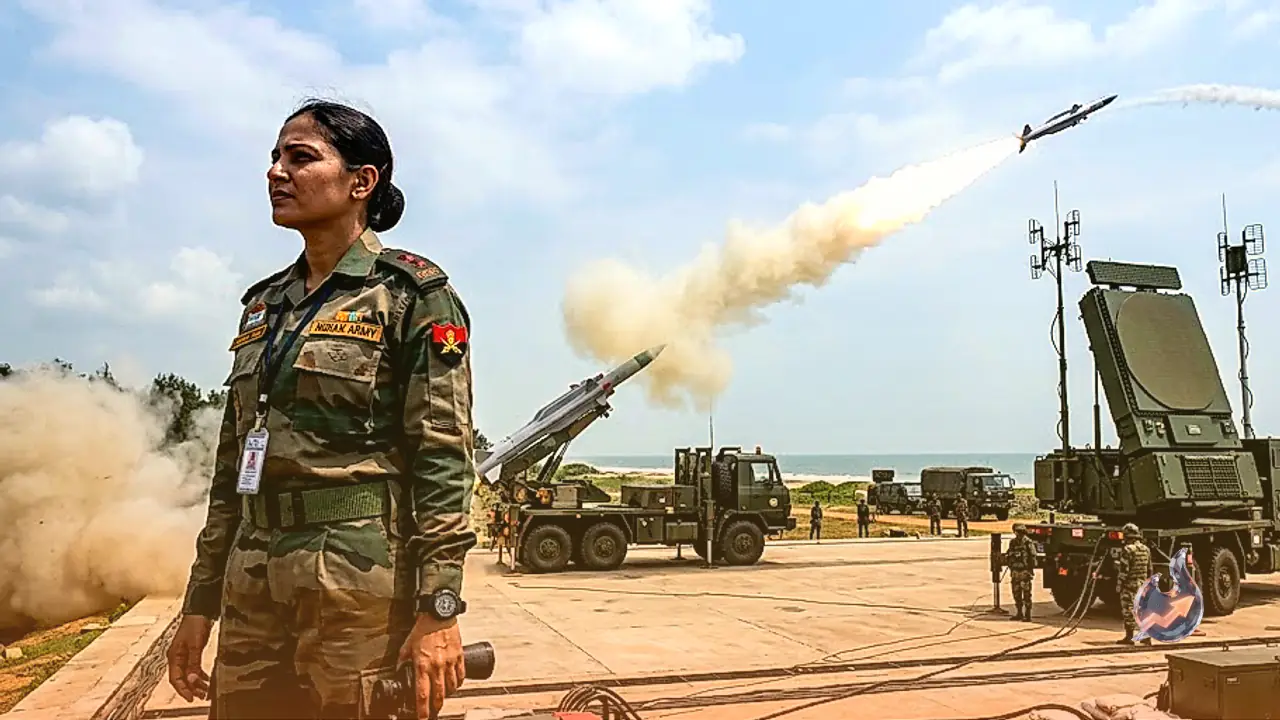




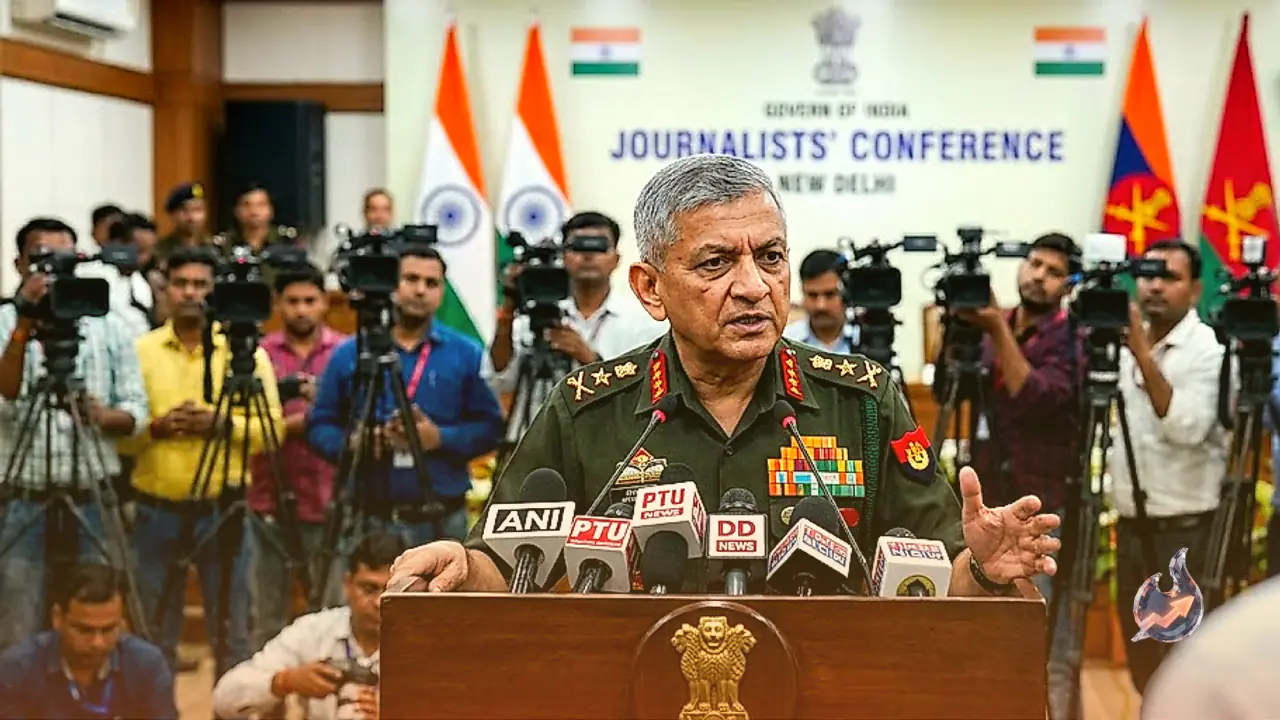

















Speaking at an event held at the Teen Murti Bhawan in New Delhi on the theme of threats and challenges to national security, former Chief of Defence Staff General Anil Chauhan delivered a stern message to Pakistan regarding its recent geopolitical maneuvers. He cautioned Islamabad against harboring any delusions of grandeur or misplaced overconfidence stemming from its newly minted defense agreements. Should Pakistan miscalculate its strength and attempt any reckless adventurism against India, it will face severe and costly consequences.
During his address, the former military chief emphasized that Pakistan will continue to remain a significant security concern for India in the foreseeable future. Amid rapidly shifting global equations and emerging defense alliances, India must constantly maintain high vigilance and keep its military preparedness robust to counter any hostile designs.
The warning comes in the wake of the Makkah Joint Defense Agreement signed on August 7 between Pakistan, Saudi Arabia, and Turkey. Under the terms of this pact, an attack on any of the three member nations is to be treated as an assault on all of them. Following this arrangement, a surge of overconfidence has been observed within Pakistani leadership circles. Addressing this development, the former CDS noted that such international pacts often induce a false sense of military might, warning that if Islamabad makes policy miscalculations based on this perceived security blanket, it could destabilize the entire regional environment.
Highlighting India's proactive stance, he recalled that New Delhi has consistently demonstrated that it will not compromise on national security. Through decisive actions such as Operation Sindhur and measures concerning the Indus Waters Treaty, India has communicated its red lines clearly. While expecting a positive shift in neighboring behavior through such strict steps, the nation cannot afford to lower its guard and must remain operational around the clock.
Exposing traditional tactics, the former general pointed out that Islamabad has long relied on proxy warfare and cross-border terrorism. While the presence of nuclear arsenals limits the scope of direct conventional warfare, Pakistan frequently uses this strategic shield to foster low-intensity conflicts. It systematically avoids direct combat, choosing instead to deploy terrorist proxies backed by an extensive supporting network.
Asserting that targeting isolated militant factions is insufficient, he stressed the urgent need to dismantle the entire ecosystem of terrorism. Unless radical ideologies, recruitment pipelines, financial backing, training camps, and propaganda networks are completely eradicated, the threat will persistently resurface. Amid evolving challenges across land borders, cyberspace, and maritime routes, India remains fully alert and tracks every military posture and activity across the border with unwavering attention.