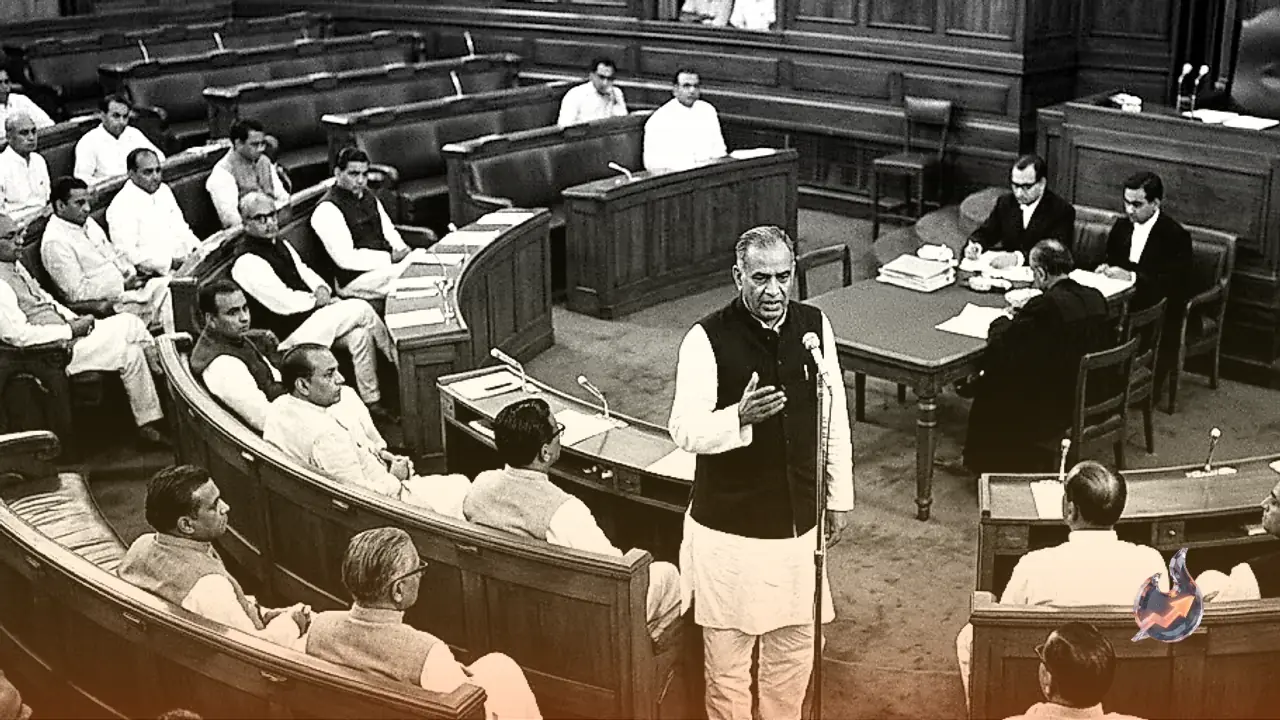




















National festivals and official gatherings across the country instantly spark feelings of patriotism as soon as Jana Gana Mana or Vande Mataram begins to play, prompting everyone to stand up in reverence. However, looking at the legal and constitutional framework, the regulations governing the national anthem and the national song are entirely different. Due to a lack of awareness, many people mistakenly apply identical rules to both, which often creates confusion among the general public.
Distinction in Authorship and Constitutional Status
Penned by Rabindranath Tagore, Jana Gana Mana serves as India's official national anthem, whereas Vande Mataram was composed by Bankim Chandra Chattopadhyay as the national song. Both compositions represent the pride and glory of the nation and were granted equal stature by the Constituent Assembly. Despite this, clear differences exist regarding their singing duration, legal obligations, and the rules for standing up, making it essential for every citizen to understand these protocols.
Core Differences Between Anthem and Song
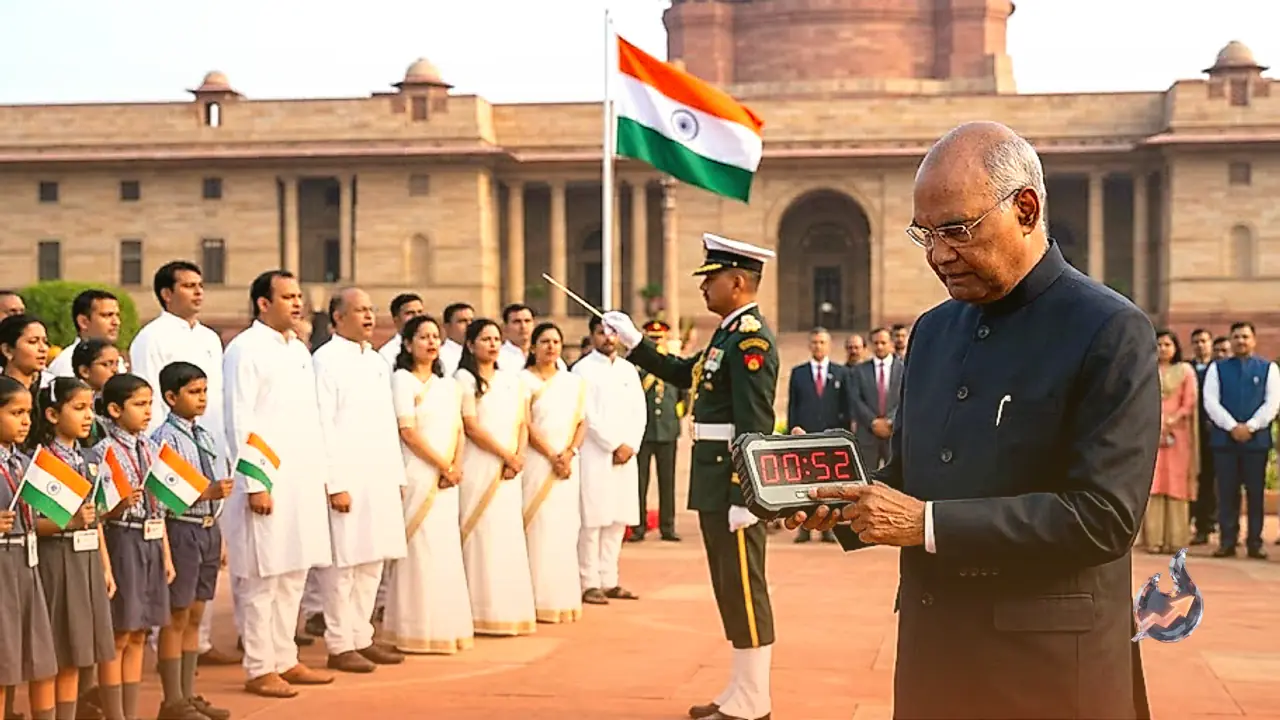
Jana Gana Mana stands as an official constitutional symbol of the country, requiring a strict duration of 52 seconds and an attentive, upright posture during its rendition. On the other hand, Vande Mataram symbolizes the historical and cultural consciousness of the freedom movement, carrying no fixed time limit or rigid legal compulsion for its performance. Understanding these fundamental differences clarifies how citizens are expected to treat each composition.
Strict Legal Protocols for the National Anthem
The national anthem is bound by extremely stringent protocols. Whenever the anthem is played or sung, every citizen must stand straight in a position of attention as a mark of respect. Furthermore, a precise duration of 52 seconds has been allocated for singing the full version. Under the Prevention of Insults to National Honour Act, 1971, intentionally disrespecting the national anthem or obstructing its rendition is classified as a punishable offense, carrying provisions for fines and imprisonment.
Rules Surrounding the National Song
During the freedom struggle, Vande Mataram served as the primary rallying cry for revolutionaries, holding an incomparable historical significance. Yet, from a constitutional and legal standpoint, there is no stipulated time limit or specialized code governing the national song. According to clarifications issued by the Supreme Court and the Ministry of Home Affairs, standing up during the national song is a matter of ethical respect. Failing to do so does not attract any legal action or criminal proceedings.
Differences in Origin, History, and Language
The historical backgrounds of both compositions also run along separate paths. The national anthem was originally composed in the Bengali language and was first performed in 1911 during the Calcutta session of the Congress. On January 24, 1950, the Constituent Assembly officially adopted it as the national anthem. Meanwhile, the national song is drawn from Bankim Chandra Chattopadhyay's famous novel Anandamath and features a blend of Sanskrit and Bengali, having been sung for the first time in 1896.
Understanding the Protocol Ahead of Independence Day
The entire nation will celebrate Independence Day on August 15, 2026, with citizens enthusiastically singing patriotic verses. While the national anthem is governed by strict legal rules, mandatory standing postures, and a 52-second window, the national song remains an expression of national consciousness and reverence without any statutory time bounds. Standing for the national song stems from personal respect and patriotic devotion, whereas standing for the national anthem remains a constitutional and legal compulsion.